Audiology

Fifth Avenue Hearing: Hearing Care That Starts by Listening
Fifth Avenue Hearing
Fifth Avenue Hearing: Hearing Care That Starts by Listening
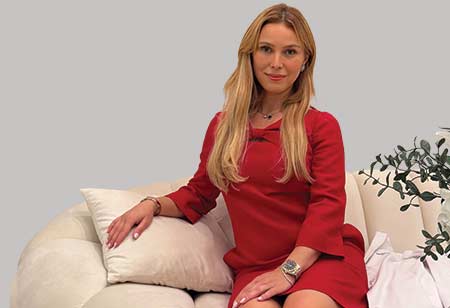
Rufina Yakubov, Founder and Doctor of Audiology
A hearing problem rarely arrives as a single moment. For many people, it begins quietly. A conversation in a crowded restaurant becomes harder to follow, the television volume gradually increases or family gatherings require more concentration than before. Small adjustments become part of daily life until hearing clearly starts taking more effort than it once did.

For others, the first sign is more subtle. It may be a sound only they can hear, such as ringing, buzzing or hissing that appears during quiet moments. Although hearing loss and tinnitus present differently, both can gradually affect how people participate in conversations, work and relationships.

At Fifth Avenue Hearing in New York City, these changes are treated as meaningful clinical signals. Yet the experience patients encounter begins before any assessment takes place. From the moment they walk into the practice, the setting and the level of attention set it apart from a typical audiology office, creating an atmosphere of professionalism and personal care that continues throughout the visit.

That difference becomes especially apparent when patients meet Rufina Yakubov, Founder and Doctor of Audiology. Before a single test is performed, she begins by getting to know the person sitting across from her. The conversation centers on their life, what they spend their time doing, what has become difficult and what they most want to hear clearly again.

“We start every relationship the same way. We listen,” says Rufina.

She has spent 15 years caring for patients in New York City. The experience has shaped an approach built around listening first, followed by detailed assessment, individualized recommendations and continued support.

Rufina says many patients spend years adapting to gradual changes before recognizing the extent to which hearing difficulties are affecting everyday life. In her experience, this realization can take years to develop.

Many patients spend years compensating for hearing changes without realizing how much effort they are putting into everyday interactions. They may avoid noisy restaurants, withdraw from conversations or accept listening fatigue as a normal part of aging.

Fifth Avenue Hearing focuses on understanding those changes before recommending a solution. Better test results matter, but the larger goal is helping patients return to the experiences and connections they value most.

The Person behind the Audiogram

Before an audiogram is performed, the practice focuses on understanding the patient’s routines, priorities and challenges. Someone who spends much of the week in meetings may have different hearing needs from someone who travels frequently, attends concerts or wants to follow conversations at family dinners.

The discussion considers what patients have stopped doing, what situations have become difficult and what they most want to hear clearly.

An audiogram provides important clinical information, but it cannot measure the frustration of missing a joke at dinner or the isolation that comes from avoiding social situations.

“The audiogram tells us what is happening clinically, but it is the patient’s life that tells us what to do about it,” Rufina says.

A hearing evaluation provides the foundation for understanding the type and degree of hearing loss and how it affects everyday life.

For physician-referred patients, Fifth Avenue Hearing also provides a detailed clinical report to the referring provider the same day, helping ensure that assessment findings can be incorporated into the broader care relationship.

The findings then guide the next step, whether that involves monitoring, hearing technology or tinnitus management.

When Technology Has to Fit the Patient

Fifth Avenue Hearing works with several major manufacturers, including Phonak, Oticon, ReSound, Starkey, Signia and Widex. Its independent approach allows the practice to evaluate available technologies and determine which option best fits a patient’s hearing profile, lifestyle and expectations.

A patient may want to hear a grandchild’s voice more clearly. Another may need to follow discussions in a boardroom. Someone else may simply want to return to a favorite restaurant without feeling exhausted by the effort required to listen.
Optimum Audiology: Helping Veterans Hear, Connect and Live More Fully
Optimum Audiology
Optimum Audiology: Helping Veterans Hear, Connect and Live More Fully
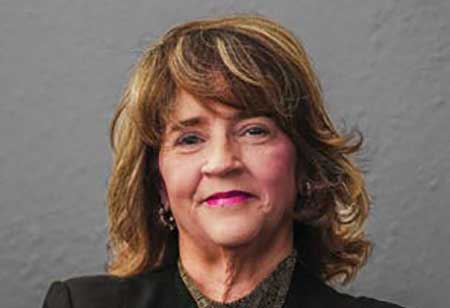
Kristi Mendoza, Owner, CEO and Audiologist
When Dr. Kristi Mendoza, Au. D., began working with an ENT physician affiliated with the Community Care Network (CCN), she saw an opportunity. Veterans across Southern and Central California, including underserved High Desert communities, needed access to hearing care. Many did not know they qualified for benefits earned through military service.

She set out to change that. In 2020, Dr. Mendoza launched Optimum Audiology (OA), bringing over 30 years of clinical experience and a clear sense of purpose to the practice.

Today, OA provides best-practice hearing healthcare through four California locations. Advanced diagnostics, Real Ear Measurement–verified fittings, tinnitus care, technology from major manufacturers, telehealth and concierge support all center on one goal, restoring clarity, confidence and connection. Along with veterans, OA serves active-duty service members (ADSM) with the same individualized, best-practice approach to hearing care. It’s this sustained commitment to veteran-focused care that earned OA the Top Veteran-Centric Audiological Care Clinic 2026 distinction.

“We stop and listen. They are not a number or a statistic. This is somebody with a story,” says Dr. Mendoza. Owner and CEO.

Unlocking Benefits, Opening Doors

Dr. Mendoza’s priority is ensuring veterans and ADSM understand what care may be available to them. A patient may arrive through an insurance referral or casually mention military service during the case history, unaware that they may qualify for hearing benefits. Staff help patients identify possible benefits, connect with the CCN and navigate compensation and pension services so no one pays out of pocket for care they have earned.
Gulf Coast Audiology: A Patient-Centered Approach to Better Hearing
Gulf Coast Audiology
Gulf Coast Audiology: A Patient-Centered Approach to Better Hearing
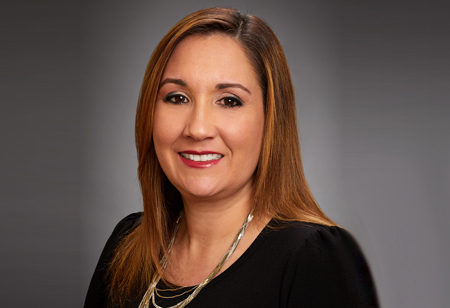
Dr. Drianis Duran, Owner
Many people view hearing care as a straightforward process: identify a hearing problem, purchase a hearing aid, and expect the issue to be resolved. While hearing technology can play an important role, lasting improvement rarely comes from a device alone.

At Gulf Coast Audiology , the focus is not simply on hearing aids. The focus is on people. Since 2008, the independent practice has served patients across Southwest Florida and the Fort Myers community through hearing care that prioritizes education, rehabilitation, and long-term support over quick solutions. Every patient begins with a comprehensive evaluation that explores hearing loss, communication challenges, lifestyle demands, listening environments, and personal goals. Based on this individualized assessment, it recommends solutions tailored to each patient’s specific needs—never based on sales quotas or one-size-fits-all approaches. Ongoing follow-up and support help patients continue improving long after their initial appointment.

Rather than viewing hearing healthcare as a single transaction, the company approaches it as a long-term process designed to help patients reconnect with the people, activities, and moments that matter most.

That philosophy continues throughout the patient journey. Gulf Coast Audiology supports patients through counseling, communication strategies, education, and ongoing coaching that help them adapt to better hearing over time. Family members play an important role in the process, with guidance on creating effective communication environments and maximizing the benefits of hearing technology in everyday life.

“Hearing aids are powerful tools, but lasting success comes through rehabilitation, communication strategies, and ongoing support,” says Dr. Drianis Duran, owner.

Education forms a central part of this process. Many patients have completed hearing evaluations elsewhere and still leave without a clear understanding of their results. At Gulf Coast Audiology patients receive explanations of their diagnosis, treatment options, and realistic expectations. Every recommendation comes with a clear rationale, whether the next step involves hearing aids, hearing conservation strategies, tinnitus care, medical referrals, or ongoing monitoring. That clarity gives patients confidence to create a practical roadmap for future care and lays the foundation for personalized treatment.
Peachtree Hearing: The Practice Elevating the Field of Audiology
Peachtree Hearing
Peachtree Hearing: The Practice Elevating the Field of Audiology
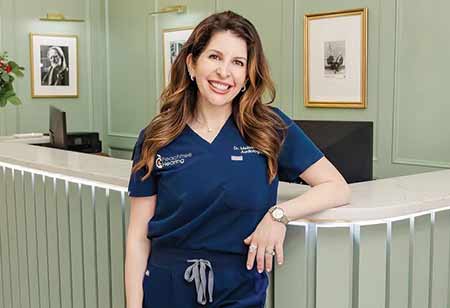
Dr. Melissa Wikoff, Founder and Director of Audiology
Sound shapes much of daily life, even if we rarely think about it. Earbuds accompany us through commutes, workouts, workdays and moments of escape. We invest in concert tickets, noise canceling headphones and speakers that turn a living room into a venue. Sound entertains, shields, focuses and connects. Yet, most people rarely think about hearing until something changes.

A ringing in the ears begins. Or a hiss, buzz or tone no one else can hear. It may appear only at night or intrude on daily life in classrooms, restaurants, meetings or music studios. It makes a musician stop playing, disorients a teacher in a noisy classroom or drives someone to sleep outside because natural sounds feel more tolerable than silence.

The condition is tinnitus and far too often patients are told the same unhelpful thing – ‘You just have to learn to live with it.’

Dr. Melissa Wikoff, founder and director of audiology at Peachtree Hearing in Atlanta, has built her practice around a different message.

“The number one thing we want our patients to walk out the door with is hope,” she says. “They need to know this is treatable. They don’t have to live with it.”

Peachtree Hearing is a board certified audiology practice offering comprehensive hearing and ear health care, from advanced diagnostics and personalized hearing aid fittings to evidence based tinnitus treatment, vestibular evaluations and custom audio solutions for musicians, athletes and professionals.

Led by Dr. Wikoff and Dr. Alex Culberson, both Doctors of Audiology, the practice blends clinical expertise, high-end technology and a level of personal attention rarely found at hearing clinics.

The attention matters because few people look forward to a hearing test. Peachtree Hearing set out to change that.

“We take a hearing exam from something patients dread to something they look forward to,” says Dr. Wikoff. “We’ve made it comfortable. We’ve made it enjoyable.”

An Office That Does Not Feel Like One

The Peachtree Hearing office is warm, open and intentionally designed to put patients at ease. Its soundproof booths were custom-built by engineers who specialize in recording studio design. Double wall glass and generous dimensions are a departure from the claustrophobic feeling of traditional testing rooms.

The number one thing we want our patients to walk out the door with is hope. They need to know this is treatable. They don’t have to live with it.

Signed guitars, drumheads and memorabilia line the space, left behind by musicians who have trusted the practice with the sense that their work depends on most. Many come to the practice through word of mouth. Some return with signed pieces as thanks.

This reflects over a decade of trust built by the practice. Peachtree Hearing’s reputation rests on a mix of expertise and empathy, science and listening, technology and patience.

“It’s a delicate balance to maintain,” says Dr. Wikoff. “We have a strong clinical reputation and we also genuinely care about our patients.”

Before the Test, the Story

Numbers from a hearing test never tell the whole story. It is why Peachtree Hearing begins before the exam room. Patients will undergo a detailed interview that describes their personal experiences.

“I’m trying to figure out who this person is. What brings them in? What can I do to help them feel better from the moment they walk in the door?” says Dr. Wikoff.

Hearing and Tinnitus Care: Moving Toward Personalized Patient Journeys

The auditory experiences encountered in daily life can be more effectively managed when hearing impairments are detected early and treated with appropriate care. A comprehensive hearing assessment, along with an effective tinnitus management program, enables individuals to comprehend changes in their auditory perception, identify potential causes of auditory disturbances such as ringing or buzzing, and select appropriate strategies for managing these concerns.

Regular evaluation can also support better communication, reduce the frustration linked to persistent tinnitus and help people stay engaged in work, family conversations and social activities. For many individuals, timely professional guidance can turn an unsettling hearing experience into a more manageable part of daily life.

Evolving Market Dynamics in Hearing Assessment and Tinnitus Management Practices

People are becoming more aware of the importance of hearing health, and they are changing how and when they get care from professionals. More individuals are paying attention to difficulties such as following conversations in crowded places, understanding speech when several people are talking or adjusting to changes in everyday listening situations. This shift is encouraging providers to make consultations more personalized and easier to navigate, while also placing greater emphasis on explaining care options in language that patients can understand. 

Tinnitus care is also moving toward approaches that reflect the different ways symptoms can affect daily routines. Practitioners may look at factors such as sleep disruption, difficulty concentrating, stress levels and the nature of the sounds experienced before suggesting suitable support. This can involve counseling, sound-based strategies, hearing devices where appropriate or continued follow-up. The wider range of options gives people greater scope to find an approach that fits their circumstances rather than expecting one solution to work for everyone.

Convenience is increasingly becoming an important aspect of the process of connecting with hearing specialists. Online consultations, digital scheduling and remote follow-up can make professional services easier to reach, particularly for those who find repeated clinic visits difficult. Clear educational resources are also helping people understand what to expect during care and when specialist attention may be appropriate. Together, these changes are making hearing services more accessible while giving patients greater control over how they engage with ongoing care.

Current Market Trends and Technological Advancements

Hearing testing is increasingly turning into a multifaceted process, allowing experts to study various features of auditory capabilities that may go unnoticed in the conventional environment. Combined with speech testing, frequency-specific measurements and ear-to-ear comparisons can paint a fuller picture of hearing performance. Repeated testing can also be used by professionals to identify meaningful changes over time and to make better choices about appropriate care.   

Hearing devices are increasingly being designed to help you be more flexible in your everyday listening. Automatic sound adjustment can respond to changes in the surrounding environment, while rechargeable batteries reduce the need for frequent battery replacement. Wireless connections also allow compatible devices to work with smartphones, making activities such as phone conversations and audio streaming more convenient. 

Artificial intelligence is beginning to support selected areas of hearing care by helping analyze test results, identify patterns and assist with device programming. Software can process larger amounts of hearing data and help specialists make adjustments with greater precision. As these capabilities develop, technology is playing a growing role in making assessment and treatment decisions more tailored to the information gathered during care.

Future Prospects for Hearing Assessment and Tinnitus Management Practices

The next phase of hearing care is likely to place greater emphasis on earlier action and more continuous support throughout different stages of life. Routine hearing checks may become a more familiar part of personal health care, particularly as people recognize that hearing can change gradually rather than suddenly. Greater awareness among younger adults, older people and families could encourage more people to pay attention to subtle changes and seek advice before these concerns begin affecting important parts of everyday living.

Personalized care is also expected to become more refined as professionals gain access to a broader understanding of each person's hearing needs and tinnitus experience. Future care pathways may combine specialist assessment, behavioral support and individualized management plans more closely, allowing recommendations to be adjusted as circumstances change. This could make the care journey more responsive, particularly for people whose symptoms vary over time or who need different forms of support at different stages. 

The future for patients may involve a greater sense of connection to hearing healthcare that goes beyond sporadic visits. Clearer guidance, stronger involvement in care decisions and better continuity between different stages of support can help people feel more confident about managing their hearing health. As professional practices continue to evolve, the emphasis is likely to remain on practical care that fits real-life needs, helping you make informed choices and stay engaged with your hearing health over the long term. 

Personalized Audiological Solutions for Military Veterans

Veteran-centric audiology care clinics are changing the way hearing care services are provided to retired service members by focusing on the experiences, wellness, and needs of each individual patient. These specialized clinics are providing hearing tests, rehabilitation, tinnitus management, hearing aid assistance, and counseling to veterans through methods that are tailored specifically to the challenges of military life.

For many veterans and their families, this means receiving care that not only addresses hearing-related concerns but also supports communication, social engagement and overall quality of life. As awareness of the healthcare needs of veterans grows, these clinics are playing an increasingly important role in helping those who served maintain greater independence and everyday well-being.  

Current Market Trends Shaping Veteran-Centric Audiological Care Clinics

Growing demand for specialized hearing care is encouraging clinics to adopt more personalized and accessible service models for veterans. Extended consultation sessions, multidisciplinary treatment plans and family-inclusive care approaches are becoming increasingly common as providers recognize the importance of addressing the broader effects of hearing-related conditions. Greater attention is also being given to service-related hearing challenges such as tinnitus and auditory processing difficulties, leading to the development of more targeted evaluation and treatment pathways.

There is an emerging trend that digital technologies for health care are becoming important tools in shaping audiological services for veterans. Remote hearing tests, virtual appointments, tele-audiology technology, and connected hearing aids through applications are some of the ways in which veterans are now able to access services without the need for much traveling. Artificial intelligence-enabled hearing solutions, real-time sound customization features and data-driven monitoring tools are also gaining traction, allowing individuals to experience more personalized hearing support based on their daily environments and communication needs.

The notable trend in the collaboration between healthcare professionals, veteran support groups, rehabilitation specialists, and psychological wellness professionals cannot be overlooked since their goal is to develop an approach that would result in the delivery of an organized and more efficient healthcare experience for patients. Clinics are acquiring advanced diagnostics technologies and training programs better to comprehend the effects of noise exposure among veterans. As awareness of veteran-specific hearing concerns continues to expand, the industry is witnessing a stronger emphasis on improving accessibility, convenience and individualized care experiences for those who have served.

Key Challenges and Solutions in Veteran-Centric Audiological Care Clinics

One of the major challenges facing veteran-centric audiological care clinics is the delayed recognition of hearing-related problems among former service members. Many veterans adapt to hearing difficulties over time or consider them a normal part of aging, which can postpone diagnosis and treatment. To address this issue, healthcare providers and veteran advocacy groups are strengthening awareness initiatives, educational programs and early screening efforts to encourage timely intervention and improve long-term hearing outcomes. 

Access to specialist audiological services remains a concern, exacerbated by geographical barriers, particularly for veterans living in rural or underserved areas. However, long distances, few specialty centers, and other logistical headaches can make it tough for veterans to get the care they need. So, healthcare groups have stepped up by creating outreach programs, mobile hearing services, and community-based support networks. These efforts bring care closer to home and help more veterans get the support they deserve.

“Many Veterans Adapt To Hearing Difficulties Over Time Or Consider Them A Normal Part Of Aging, Which Can Postpone Diagnosis And Treatment.”

Another challenge involves the complex nature of hearing conditions associated with military service experiences. Veterans may experience a combination of hearing loss, tinnitus, balance-related concerns and communication difficulties that require comprehensive evaluation and management. To address these complexities, clinics are adopting more integrated assessment approaches and developing specialized treatment protocols better designed to support the diverse needs of former service personnel.

The retention of the veteran patients in the treatment process is another significant problem. The veterans may stop making follow-ups, fail to make necessary device adjustments, or encounter challenges when using the hearing solutions prescribed by the health professionals. The healthcare professionals have found ways to solve this problem through patient education, counseling, caregivers' involvement and follow-up programs.

Workforce availability and specialized clinical expertise represent another significant challenge within this field. The growing demand for veteran-focused hearing services has increased the need for professionals with experience in military-related auditory conditions. Organizations are increasing the level of investment in advanced clinical education, professional development and specialized training programs to enhance expertise and quality of service delivery to veterans.

Future Prospects and Innovations

Emerging innovations are expected to redefine the future of Veteran-centric audiological care clinics through more precise, adaptive, and patient-focused hearing solutions. Advances in hearing technology are paving the way for devices capable of automatically adjusting to complex listening environments, improving speech recognition and delivering more seamless user experiences.

Researchers and medical innovators are currently exploring new auditory rehabilitation programs, immersive treatment tools, and predictive medical technologies, which can support earlier identification of hearing changes, implementation of effective interventions and alignment with the continuously changing hearing care needs of veterans and their families.

Continued innovation, growing investment in specialized research, and expanding healthcare capabilities are positioning Veteran-centric audiological care clinics for significant advancement in the years ahead. As new technologies and care approaches continue to emerge, you can expect hearing healthcare services for veterans to become increasingly sophisticated, accessible, and aligned with the unique experiences of those who have served.

Audiologic Rehabilitation: Enhancing Modern Hearing Healthcare Outcomes

Audiologic rehabilitation is becoming increasingly important as healthcare providers focus on improving communication outcomes, hearing functionality, and overall quality of life for individuals experiencing hearing loss and auditory disorders. Modern rehabilitation programs combine hearing technologies, auditory training, counseling, speech therapy, and patient-centered support to help individuals adapt to hearing challenges more effectively.

Growing awareness of age-related hearing impairment, occupational hearing loss, and the connections between hearing impairment and cognitive health is further accelerating demand for comprehensive audiologic rehabilitation services across hospitals, clinics, rehabilitation centers, and digital healthcare environments.

Advanced Hearing Technologies Improving Personalized Rehabilitation Treatment

Modern rehabilitation programs increasingly incorporate advanced hearing aids, cochlear implants, wireless assistive listening devices, and artificial intelligence-enabled sound processing technologies to strengthen communication performance and auditory perception.

Contemporary hearing aids use digital signal processing, adaptive microphones, machine learning, and noise reduction technologies to improve speech clarity across different listening environments. These intelligent systems automatically adjust sound amplification settings based on surrounding acoustic conditions, helping individuals communicate more effectively in workplaces, public settings, and educational environments. Advanced hearing technologies also improve patient comfort and support more personalized hearing experiences.

Cochlear implant technologies are further expanding rehabilitation opportunities for individuals with severe or profound hearing loss. Modern implant systems provide enhanced sound quality, wireless connectivity, and customized programming capabilities, thereby improving speech recognition and auditory comprehension outcomes. Audiologic rehabilitation programs help patients adapt to cochlear implants through structured auditory training exercises and communication therapy designed to strengthen listening skills and sound interpretation abilities.

"Digital Health Technologies Allow Audiologists To Conduct Remote Hearing Assessments, Therapy Sessions, Hearing Aid Adjustments, and Patient Counseling Through Virtual Healthcare Environments."

Tele-audiology and cloud-connected rehabilitation platforms are also improving access to hearing care services. Digital health technologies allow audiologists to conduct remote hearing assessments, therapy sessions, hearing aid adjustments, and patient counseling through virtual healthcare environments.

Mobile health applications and digital auditory training tools are additionally supporting patient engagement outside traditional clinical settings. Patients can participate in speech recognition exercises, monitor hearing device performance, and manage rehabilitation progress using connected digital platforms. These personalized rehabilitation technologies help improve therapy adherence while enabling audiologists to track patient outcomes more effectively.

Patient-Centered Rehabilitation Strengthening Long-Term Communication Outcomes

Modern audiologic rehabilitation programs emphasize patient-centered care models that address the emotional, cognitive, social, and communication-related impacts of hearing loss. Hearing impairment often affects workplace productivity, educational performance, interpersonal communication, and emotional well-being, underscoring the need for comprehensive rehabilitation to improve long-term quality of life.

Counseling services are a core component of rehabilitation programs, helping individuals understand the progression of hearing loss, communication limitations, and expectations for hearing technology. Audiologists guide patients in developing coping strategies, listening techniques, and communication management approaches that help them adapt more successfully to hearing-related challenges.

Family counseling services also support caregivers and family members in developing effective communication practices that improve daily interactions. Communication strategy training further improves rehabilitation outcomes by teaching individuals practical listening skills, speech-reading techniques, environmental adaptation methods, and conversational management strategies. Patients learn how to minimize background noise interference, optimize communication settings, and use visual communication cues to improve listening comprehension across multiple environments.

Group rehabilitation programs and peer support initiatives are becoming increasingly important within hearing care services. Group-based therapy sessions allow individuals with hearing loss to share experiences, practice communication techniques, and build social confidence within supportive rehabilitation environments. Peer engagement can significantly improve emotional well-being and participation in rehabilitation, particularly among older adults experiencing social isolation due to hearing impairment.

Pediatric audiologic rehabilitation services are also expanding as healthcare providers prioritize early intervention for children with hearing disorders. Pediatric rehabilitation programs combine auditory-verbal therapy, speech development support, educational coordination, and family counseling to strengthen language acquisition and academic readiness. Early rehabilitation intervention plays a critical role in supporting long-term communication and developmental outcomes for children with hearing impairments.

Expanding Healthcare Investments Supporting Accessible Hearing Rehabilitation

Healthcare systems, public health organizations, and policymakers are increasingly investing in hearing rehabilitation infrastructure to address growing global demand for hearing healthcare. Rising life expectancy, increasing urban noise exposure, and greater awareness of hearing-related health risks are contributing to higher demand for accessible audiologic rehabilitation services across both developed and emerging healthcare markets.

Hospitals and specialty clinics are adopting multidisciplinary rehabilitation models that integrate audiology, speech therapy, occupational therapy, psychology, and geriatric care within a single treatment environment. These collaborative care models improve patient outcomes by addressing multiple aspects of hearing loss and communication challenges through coordinated rehabilitation strategies.

Governments and healthcare providers are increasingly promoting hearing screening programs, early diagnosis campaigns, and preventive hearing healthcare initiatives designed to reduce long-term disability associated with untreated hearing loss. Improved reimbursement support for hearing devices and rehabilitation therapies is encouraging broader adoption of professional hearing care services.

Workplace hearing conservation programs are additionally strengthening demand for rehabilitation services. Industries including manufacturing, construction, transportation, aviation, and entertainment are implementing hearing protection programs while providing rehabilitation support for employees affected by occupational hearing damage.

Employer-sponsored hearing health initiatives help organizations improve workforce well-being and reduce productivity losses associated with untreated hearing conditions. Academic institutions and healthcare research organizations continue to advance hearing rehabilitation through clinical studies focused on auditory neuroscience, cognitive hearing science, speech perception technologies, and patient outcome measurement. Research-driven rehabilitation strategies are helping healthcare providers develop more effective and personalized treatment approaches tailored to individual patient needs.

Bridging Gaps in Tinnitus Care: A New Approach to Patient Retention

Patients entering tinnitus treatment pathways often disengage before meaningful progress is established, creating a persistent retention problem that directly impacts how services are structured and valued. Drop-offs are not always tied to dissatisfaction, but to unclear expectations, slow perceived improvement, and the difficulty of maintaining consistent engagement over time.

This pattern is shaping market behavior in a very practical way. Providers are being forced to rethink how they hold patient attention, not just how they initiate treatment. The sector is responding to a reality where success is measured less by access and more by sustained participation, pushing service models toward continuity as a commercial necessity rather than an added feature.

Patient retention pressures shaping long-term service engagement strategies

Recurring disengagement is prompting healthcare providers to recognize how fragile patient commitment can be in tinnitus care. Many services are experiencing early-stage drop-offs that undermine both patient outcomes and revenue stability, creating pressure to redesign engagement strategies to focus on persistence rather than just initiation. This shift has resulted in a stronger emphasis on maintaining relevance throughout the patient journey, ensuring that interactions continue to feel meaningful even when progress is gradual.

Providers are exploring various ways to keep patients connected over extended periods, understanding that inconsistent engagement weakens both clinical and commercial results. The emphasis is now on making continuity visible, allowing patients to recognize ongoing value even in the absence of immediate improvements. This change is influencing how services are packaged and communicated, moving away from a short-term perspective to a longer-term positioning.

Misalignment between patient expectations and actual experiences is a major contributor to disengagement. This has prompted providers to recalibrate how they communicate outcomes. The market rewards those who can align patient perception with reality, which helps reduce the likelihood of early exits and strengthens long-term relationships.

Impact of Clinical Credibility and Fragmented Care Pathways on Provider Positioning

Tinnitus treatment does not fit neatly within a single clinical domain, leading to fragmentation that affects how services compete. Patients often transition between different types of providers without a clear sense of continuity, which creates gaps that weaken the overall experience. This lack of cohesion is not only a clinical issue but also a market challenge, as providers struggle to position themselves as central points of care.

Credibility is being tested in an environment where standardizing outcomes is difficult, and patient experiences vary widely. Providers face pressure to demonstrate reliability in ways that resonate with patients beyond clinical jargon, especially as individuals compare options based on perceived effectiveness rather than formal distinctions. This shift is influencing how services are marketed, with a greater emphasis on consistency and trust.

Referral dynamics are also evolving, leading to less predictable pathways into treatment. Providers can no longer depend on steady inflows from traditional channels, which has created a more competitive environment where visibility and positioning are crucial. Establishing a clear and credible presence in this fragmented landscape is becoming essential for sustaining demand.

Cost sensitivity adds another layer of complexity. Patients are weighing their ongoing treatment commitments against uncertain timelines for improvement, making value perception critical. Consequently, providers are adjusting how they frame pricing and engagement to ensure that their services remain viable without discouraging participation.

Expanding Care Models to Create Opportunities for Lasting Patient Relationships

A shift toward longer-term care models is opening new avenues for differentiation, particularly for providers that can maintain consistent engagement over time. The focus is moving toward building structured relationships that extend beyond initial treatment phases, allowing services to remain relevant as patient needs evolve. This approach is gradually reshaping how the sector defines success.

Integration with broader wellness and behavioral support environments is creating additional opportunities for growth. Providers that align tinnitus care with related areas are finding it easier to sustain engagement, as patients begin to view treatment within a wider context rather than as an isolated effort. This alignment is strengthening both retention and perceived value.

Digital interaction is playing a role in extending reach and maintaining continuity, particularly for patients who may struggle with frequent in-person engagement. The market is not shifting away from traditional care but is expanding around it, allowing providers to remain connected without increasing friction. This flexibility is becoming an important differentiator in maintaining long-term relationships.

The business value of tinnitus treatment services lies in their ability to convert initial interest into sustained engagement, creating stability in both outcomes and revenue. Providers that can reduce attrition and maintain consistent interaction are better positioned to build durable patient bases. This focus on continuity is defining the next phase of the sector’s evolution.

Retention challenges, fragmented care pathways, and rising expectations around sustained support are shaping tinnitus treatment services. Their trajectory will depend on how effectively providers can hold patient engagement over time while maintaining credibility and relevance in a complex and competitive landscape.

Personalizing Hearing Care, One Patient at a Time
Michigan Medicine
Personalizing Hearing Care, One Patient at a Time
Jennifer Maikell, Doctor of Audiology

Letting Individual Patient Needs Guide Programming

I find it crucial to understand what the patient hears and how they want it to sound. I combine audiometric data, real-ear verification and lifestyle considerations to create a personalized program that maximizes clarity, comfort and satisfaction. Acoustic adjustments can balance loudness and reduce harshness, while the physical fit should keep the devices secure without pressure points. Real-ear measurements verify that the output matches the patient’s ear canal acoustics and needs.

As a mother, I was once told by a pediatrician that I was the specialist when it came to my child, and she wanted to know my concerns. I often think of that when working with patients. They know when the sound quality is not right, and I want to lean into that experience.

For example, I adjusted a patient’s programming to improve the scratchiness she noticed in background sounds. The next day, she messaged me that it was worse. When she returned, she said she noticed it as soon as she left our building. I told her I would return to the previous settings, make changes and go outside with her to see if the sound was right. She walked to her car and listened to the radio. Once she was back, she had a grin. The settings “sounded great,” she told me! She was grateful for the individualized care.

Looking beyond the Audiogram

I review the patient’s comprehensive audiogram to confirm that their speech discrimination ability is considered. If the patient has concerns with speech understanding, I want to manage expectations if the patient’s pathway to the brain (CN VIII) has diminished function. In these situations, I would consider a different fitting formula, increased noise reduction or narrowing microphone bands. I also ensure that a patient with these results understands that a cochlear implant evaluation may help determine if hearing aids have reached their limit of effectiveness. Patients uninterested in cochlear implants may need accessories, such as remote microphones or iPhone’s Live Captions feature.

If the patient’s audiogram suggests a healthy ascending pathway, I try to understand their real-world listening challenges to fine-tune the programming. I will often play restaurant noise on my computer and turn on a fan or faucet while adjusting programming. This helps the patient hear the changes in real time and tell me when my voice is easier to “pick out” from the noise.

"Hearing aid fitting is not just about amplifying sound. It’s about aligning technology, communication habits and mindset."

I also consider data logging to see how many hours per day the patient uses the hearing aids. If average use is less than five hours, I approach programming as if this is a brand-new hearing aid user, as they have likely not acclimated. I counsel the patient on the benefits and importance of full-time use. I give patients a goal of 10 hours/day, understanding that some lifestyles, such as morning water aerobics or a construction job, will not allow for this.

I discourage patients from putting the aids on only when they are going somewhere. Intermittent use prevents the brain from acclimating naturally. Full-time use allows the brain to learn how to tune unimportant sounds out, which will eventually help the patient in a complex environment, like a restaurant.

Using Patient Feedback to Fine-Tune Care

The goal is to start with objective verification to ensure the device is performing as prescribed, then layer in patient feedback to fine-tune for real-world needs. Clinical data provides me with a baseline from which I fine-tune the settings based on the patient’s subjective listening feedback. This goes for the sound settings as well as the physical fit of the aids. If I have appropriate coupling for maximum acoustic benefits but ignore that the patient finds the aids uncomfortable, how can I expect the patient to wear them full time? Balancing objective outcomes with subjective experience improves a patient’s likelihood of wearing the aids.

Similarly, if the prescriptive setting after real-ear measures is subjectively too loud, I will reduce the setting for the initial fitting. At the two-week follow-up visit, the goal is to get as close to the prescriptive setting as possible. This is more attainable for individuals who wear the hearing aids full time.

Shifting from Optimal Fits to Patient-Ready Fits

There are programming strategies that work for most patients. However, each patient brings unique past experiences, health concerns and emotional responses to hearing loss. Working closely with patients has shown me that hearing aid fitting is not just about amplifying sound. It’s about aligning technology, communication habits and mindset. Patients often arrive with grief, frustration or shame tied to hearing. I now begin fittings by acknowledging these feelings and exploring how they influence their goals, helping them engage more actively in treatment.

Traditionally, I aimed for the most optimal fit right out of the box. Patient feedback showed that sudden, full amplification can be overwhelming, especially for those with long-standing hearing loss. Now, I tailor initial settings to what the patient is ready to hear and progress gradually, improving comfort and acceptance. Modern hearing care emphasizes person-centered outcomes. I start by identifying what matters most to each patient, whether it’s hearing a grandchild’s voice, joining a game or reducing social isolation and design the fitting around those goals.

These changes have made fittings more patient-centered, improved engagement and increased the likelihood of long-term success.

Advice for Building Patient-Centered Hearing Care

Anchor your practice in core patient-centered principles. Start with deep listening and embed empathy into every interaction. Over time, this will improve patient outcomes, strengthen your professional reputation and support practice sustainability. Adopt a mindset that prioritizes each patient’s needs, preferences and goals and embed that into every stage of hearing aid care, from assessment to follow-up.

Patient-centered care in audiology means respecting patient preferences, involving them in decision-making and providing emotional support throughout their hearing healthcare journey. This approach improves satisfaction, adherence and outcomes.

Differences between Over-The-Counter Devices and Prescription Hearing Aids
Audio Help Hearing Centers
Differences between Over-The-Counter Devices and Prescription Hearing Aids
Dr. Ariella Naim, Senior Audiologist

In the field of audiology, the abundance of information and available options can make it difficult to navigate the right path, particularly for those starting their journey to better hearing health. One of the most common questions that arises is the difference between over-the-counter (OTC) hearing devices and prescription hearing aids. While the most obvious distinction between these two options is the level of investment required, there are several other factors that individuals may not initially consider.

Understanding Over-the-Counter Devices

While convenient, over-the-counter hearing devices are essentially sound amplifiers. These devices amplify all sounds in the environment—speech, conversations, and background noise alike—without distinction. While they can boost volume, they do not offer advanced features for sound clarity or noise processing. The technology in OTC devices is often basic, which means the user may not experience the world in as vibrant a way as possible.

Another key consideration with OTC devices is the limited support included. Most services available are conducted over the phone or through telehealth, which may not be ideal for patients who prefer in-person care. Additionally, patients using OTC devices may unknowingly miss underlying medical conditions that could be addressed by a healthcare professional, such as a Doctor of Audiology.

[QUOTE1_Replace]While OTC devices may be suitable for individuals with mild hearing loss who primarily need volume amplification, they may not be sufficient for those seeking enhanced clarity. For many, the goal is increased volume and improved speech understanding, particularly in noisy environments. This is where prescription hearing aids become the more appropriate option.

The Advantages of Prescription Hearing Aids

Prescription hearing aids are designed to provide a tailored auditory experience. These discreet devices are fine-tuned specifically for the individual’s hearing loss, ensuring that amplification is provided only where needed. Modern hearing aids use sophisticated technology to automatically assess the user’s environment. They can distinguish between background noise, speech, and different types of sounds, optimizing sound quality for clarity and comfort. This means that users can experience clear, natural sound with minimal adjustment.

The Importance of Professional Evaluation

When beginning your hearing healthcare journey, the first step is to schedule an appointment with an audiologist for a comprehensive evaluation. This assessment includes a thorough examination of the auditory system, measuring factors such as eardrum movement, the degree of hearing loss, and speech understanding—key factors in speech clarity. If hearing aids are recommended, the audiologist will review all available options with you and help you try different devices to determine which one best meets your needs.

It’s important to note that hearing aids come with an adjustment period. During this time, your audiologist will work closely with you to fine-tune the devices for optimal comfort and effectiveness. This collaborative process ensures that issues, such as programming, style preferences, or technology features, are addressed. Ongoing follow-up appointments are also crucial to ensure the hearing aids remain in good working condition and to monitor any changes in hearing. Regular adjustments and annual evaluations can help maintain hearing clarity and comfort over time.

The Impact on Brain Health

Starting your hearing healthcare journey early offers significant benefits for brain health. Hearing loss, even in its early stages, can reduce the stimulation that the brain needs to process sounds and understand speech. By addressing hearing loss sooner, you can help preserve cognitive function and stay engaged with your environment. Early intervention also reduces the risk of cognitive decline and keeps you mentally connected to your social world.

A Collaborative Approach to Hearing Health

Choosing to pursue hearing aids is an important decision. It’s essential to have a provider committed to walking with you through every step of the process, addressing your concerns, and ensuring that you feel confident and comfortable with your devices. I often tell my patients that this journey is much like a relationship—it’s a partnership where we work together to identify what’s working and make necessary adjustments to ensure the best outcome.

As your hearing healthcare professional, I am dedicated to helping you stay connected with your loved ones and peers, providing you with the best technology and support to improve your hearing. By maintaining strong social connections and engaging with the world around you, you are also stimulating your brain, which plays a crucial role in preserving your overall cognitive health.

A Legacy of Leadership In Rehabilitation Care
Hartford HealthCare
A Legacy of Leadership In Rehabilitation Care
Christian Alvarez, Regional Director of Rehabilitation

Christian Alvarez is a distinguished leader in rehabilitation services, with extensive experience advancing clinical operations and strategic growth. Beginning his career in healthcare management, he has specialized in expanding community-based rehabilitation access and improving system performance. Alvarez plays a key role in enhancing inpatient and outpatient programs across Fairfield and continues to drive innovation and equity in regional healthcare.

Recognizing Alvarez’s transformative leadership in rehabilitative healthcare, this exclusive feature highlights his commitment to fostering equity, inclusion, and innovation. It also showcases his pivotal role in advancing community-based rehabilitation services across a complex healthcare system. Alvarez shares valuable insights on building high-performing teams, navigating operational challenges, and the vital importance of diversity and collaboration in driving sustainable growth and patient-centered care.

Leadership that Integrates Care and Community

As regional director, I oversee inpatient occupational, physical and speech therapy teams, including the inpatient rehabilitation unit. I also manage five outpatient rehabilitation clinics, with a sixth scheduled to open this October, and provide specialized oversight for vision rehabilitation services. My focus is on delivering seamless and effective care that reflects the diverse needs of our community while advancing operational excellence and sustainable growth.

This includes a strong emphasis on team development and culture building, with a commitment to collaboration, equity and inclusion across all care settings. I work closely with supervisors and frontline staff to ensure clinical consistency, operational alignment and meaningful patient outcomes throughout the Fairfield region of Hartford HealthCare.

Managing Change and Innovation in a People-Centered System

In the MedTech industry, managing change poses a key challenge while running day-to-day operations smoothly. To deliver exceptional patient experiences and accessible care, our teams need to embrace agility and a mindset open to continuous evolution. We constantly respond to innovations in healthcare, advancing technologies and changing regulations to stay ahead and solve problems before they escalate.

At Hartford Healthcare, we use the lean operating model to drive ongoing improvements. Each business unit holds frequent huddles where frontline team members share observations via ‘opportunity cards.’ These cards invite everyone from new hires to seasoned staff to propose process improvements or flag outdated methods affected by external changes like insurance or regulations. When the team agrees an idea has high impact, supervisors, managers, directors and I collaborate to explore and implement solutions. Small changes may be resolved quickly through simple adjustments, while more complex challenges require broader teamwork and deeper analysis.

"We Constantly Respond To Innovations in Healthcare, Advancing Technologies and Changing Regulations To Stay Ahead and Solve Problems Before They Escalate."

For complex issues, we employ the A3 problem-solving process, also part of the lean operating model. This method gathers diverse stakeholders to perform root cause analysis, comparing the current state to the desired future state. We ask questions such as whether the issue is related to people, processes, or technology. Clear problem definition and goal setting are critical early steps that guide the development of targeted countermeasures.

Clear communication plays a vital role in successful change. We create standardized work documents that break down each step and estimate the time needed for new processes. Depending on the change’s scope, communication ranges from brief updates to comprehensive training sessions. We also tailor how we share information using visuals, hands-on practice or peer teaching to match different learning styles, ensuring teams truly understand and adopt new methods.

Feedback loops are essential throughout this process. Leadership and frontline staff provide continuous input, helping us adjust and refine changes to maximize adoption and effectiveness. This comprehensive and collaborative approach from problem identification through solution implementation and communication ensures meaningful change that supports both our staff and the patients we serve.

When thinking about the future of change management, especially over the next 12 to 18 months, many leaders immediately point to artificial intelligence (AI). AI and other emerging technologies are transforming how we work by streamlining tasks, reducing steps and accelerating outcomes. Ultimately, people are at the heart of every process, especially in healthcare.

As these tools become more mainstream, leaders must focus not just on implementation but on education and support. Success depends on how well we train teams, prepare them to adapt and guide them through the transition. If employees don’t understand the tools or, worse, feel displaced or undervalued by them, friction will arise and the effectiveness of the innovation will be lost.

Change management today is no longer just about technology adoption. It’s about helping people grow alongside the tools, not apart from them. Leaders need to anticipate employee concerns, engage teams empathetically and ensure training includes not only technical skills but also addresses emotional and cultural aspects of change. Empathy, clear communication and fostering a culture of continuous learning will be the true differentiators for forward-looking organizations.

Wisdom for Future Operational Leaders

If I could offer advice to professionals striving to excel in operations and leadership, it would be to continually invest in yourself and your team. Staying current with industry knowledge and best practices is essential, as the landscape is always evolving. Equally important is creating learning opportunities for frontline colleagues, encouraging the pursuit of new skills alongside the active sharing of knowledge.

One of the most valuable assets within any organization is the speed and clarity with which information is absorbed and shared. Learning important techniques or critical updates is vital, but the true impact comes from how rapidly and meaningfully that knowledge flows between frontline teams and leadership. Whether a frontline member shares insights with their manager or leader cascades crucial information back down, this velocity drives adaptability and success. Prioritizing open and effective communication fosters a culture where everyone is empowered, aligned and motivated to deliver their best work.

The Delicate Balance between Audiology and Otolaryngology
UAMS
The Delicate Balance between Audiology and Otolaryngology
Gresham Richter, Chief of Pediatric Otolaryngology in the Department of Otolaryngology – Head and Neck Surgery

Gresham Richter is a professor and vice chair of Otolaryngology-Head and Neck Surgery at the University of Arkansas for Medical Sciences (UAMS). He completed his residency in otolaryngology at UAMS and his fellowship in pediatric otolaryngology at Cincinnati Children’s Hospital. Dr Richter returned to Arkansas to join the UAMS faculty and founded the Center for the Investigation of Congenital Aberrancies in Vascular Development and is now co-director of the Arkansas Vascular Biology Program. He has published numerous manuscripts and books in the realm of pediatric ENT.

Through this article, DR. Richter shares his insights on current trends in audiology and the development of collaborations between audiology and otolaryngology.

What is your perspective on the current status of the audiology space?

There is a strong relationship between audiologists and children’s hospitals. We deliver our service to patients within our clinic to facilitate the periodic sharing of patients throughout the day. They see an audiologist if they have any hearing concerns. They get an audiogram and visit our clinic for rehabilitative or surgical options. If they have hearing loss, we approve hearing aids for the patients and other rehabilitative options like cochlear implants and mild ear implants. 

The process of fitting and dispensing a hearing aid involves a collaborative team. The otolaryngologist takes the leadership role, while other team members include the audiologist, who brings expertise in evaluation and rehabilitation, and the hearing aid dispenser, who possesses a more intimate knowledge of the hearing aids and is actively engaged in the fitting and sales of hearing aids. We work hand-in-hand to ensure that people traveling a long distance can visit us without the need to come another day for audiology after having already seen us.

hen we perform invasive surgeries, like bone-anchored hearing aids and implants, audiologists act as paramedical assisters and offer specialized audiology services. They make sure the patients get the proper devices that fit well. They play a vital role as we couldn’t do it ourselves.

Have you noticed any recent trends in the field of audiology?

Audiologists are gaining more responsibility over the years in terms of patient care. They look at the ears themselves and clean them before doing an audiogram. Now, they diagnose hearing concerns and treat them on their own. They should still have an emergency medical technician (EMT) involved to be able to do a thorough evaluation of the anatomy and hearing function of those patients. However, I see a national trend for audiologists to be more independent.

The industry is experiencing growth and evolution due to technological advancements, ranging from software solutions designed for audiologists to Bluetooth-enabled hearing aids. Patients have numerous options, including traditional hearing aids and over-the-counter (OTC) devices, which have become prevalent. Tech improvements are allowing audiologists to provide better hearing tests and individualized solutions. Each advancement, such as the capabilities of AI, enhancements in rechargeability, and increased accessibility to new over-the-counter devices, enables reaching a growing number of individuals with hearing loss.

Are you part of any organization that works to make these trends successful?

I was the past president of The Society for Ear, Nose, and Throat Advances in Children (SENTAC). It is an interdisciplinary society of health professionals interested in ear, nose, and throat diseases in pediatrics, including communication disorders. Its membership includes physicians, nurses, speech therapists, audiologists, and social workers. The meeting provides a forum to present and exchange ideas and information during a conference where they collaborate and explore new treatment ideas among its members to improve the lives and health of children with ear, nose, and throat concerns across the globe.

Its uniqueness has gained traction lately and has built the relationships between audiology and ENT over the years. I highly recommend people in this field to become a part of it. It’s a great way to collaborate and learn from each other.

How do you envision the future of audiology space a couple of years down the line with all these potential disruptions and transformations? 

 I see greater relationship-building between ENT and audiology. We have very similar mindsets in the way we approach patients now. And it's not a separate service. If we collaboratively enhance the care provided to the children, we will collectively experience improved well-being. I see that continuing to grow, especially with organizations like SENTAC. 

Is there a piece of advice that you'd like to give to your peers and upcoming professionals in this field?

My guiding principle to my peers and professionals would be to bring in more collaboration. We could provide a comprehensive approach to patient care. It allows us to provide comprehensive assessment and therapy for people with complex issues. 

Audiology FAQ

Q1
What Do Top Audiology Practices Offer for Hearing and Balance Care?
Top Audiology Practices provide specialized assessment, diagnosis and treatment for hearing loss, tinnitus and balance-related conditions. Services often include comprehensive hearing evaluations, hearing aid fittings, auditory rehabilitation and ongoing hearing health management. Many practices also support both pediatric and geriatric patients, ensuring care is tailored to different stages of life. The strongest providers combine accurate diagnostics with personalized treatment plans and regular follow-up to support long-term hearing and communication needs.
Q2
Why Are Top Audiology Practices Becoming Increasingly Important Today?
The role of Top Audiology Practices continues to expand as awareness grows around the impact of hearing health on communication, cognitive function and overall well-being. An aging population and increased exposure to noise-related hearing damage have contributed to rising demand for specialized care. Earlier screening and advances in hearing technology have also encouraged a shift toward proactive hearing management rather than waiting until hearing difficulties become more severe.
Q3
How Should Patients Evaluate Audiology Practices?
When comparing audiology practices, patients should look beyond hearing devices and focus on diagnostic expertise, clinical experience and continuity of care. Comprehensive testing, access to advanced audiometric assessments and individualized treatment recommendations are important indicators of quality. Patients should also consider how effectively a practice explains results, manages follow-up appointments and supports ongoing adjustments, since hearing care often requires long-term monitoring and refinement.
Q4
What Benefits Do Top Audiology Practices Provide for Daily Communication?
Top Audiology Practices help patients improve communication, maintain social connections and enhance quality of life by addressing hearing concerns early and effectively. Proper hearing management can make conversations easier to follow in busy environments, support workplace communication and reduce the frustration often associated with untreated hearing loss. Many practices also offer counseling and adaptation support, helping patients become more comfortable and confident with their hearing solutions.
Q5
How Are Technology and Clinical Expertise Transforming Audiology Care?
Advances in digital diagnostics, hearing aid technology and data-driven fitting systems have improved the precision of modern hearing care. Even so, technology is only part of the process. Experienced clinicians remain essential for interpreting test results, identifying appropriate interventions and fine-tuning devices as hearing needs change over time. The most effective audiology practices pair advanced tools with a strong understanding of patient lifestyles, communication goals and long-term hearing health.
Q6
What Should Patients Prioritize When Comparing Top Audiology Practices?
When evaluating Top Audiology Practices, patients should prioritize diagnostic accuracy, personalized treatment planning and long-term support rather than focusing solely on product options. A high-quality practice provides clear explanations of hearing conditions, transparent testing results and a structured approach to follow-up care. Consistent clinical guidance, ethical recommendations and the ability to adapt treatment as needs evolve are all important considerations. The best providers balance medical expertise with ongoing, patient-centered hearing support.