
Thank you for Subscribing to Medical Care Review Weekly Brief


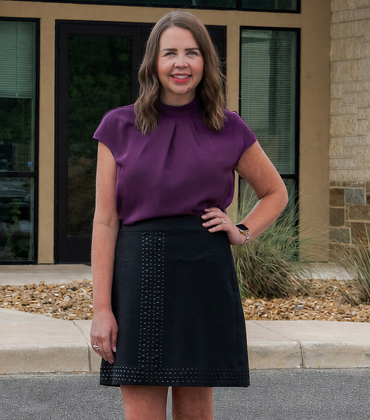 Kayla Golliher, Owner/ Lead Audiologist
When Kayla Golliher opened Acro Audiology Hearing Center in 2020, she was not trying to create another hearing aid clinic. She wanted to build the kind of practice she had always believed patients deserved, one where people were given time, listened to carefully, and received care based on their individual needs.
Before starting Acro Audiology, Golliher worked in several clinics across San Antonio and noticed a recurring challenge: appointments were often rushed, leaving limited time to truly understand patients’ concerns. When she was furloughed during the early days of COVID-19, she decided to take a leap and establish her own practice from the ground up.
That decision became the foundation for a clinic that has grown into one of San Antonio’s leading hearing healthcare providers. Acro Audiology’s approach has remained simple: slow down, listen, and provide care that is built around the person rather than the product.
A Different Approach to Hearing Solutions
Unlike traditional hearing aid retail environments, Acro Audiology does not limit patients to a single manufacturer. The practice works with multiple leading hearing aid companies and evaluates technology based on what will best serve each patient’s lifestyle, hearing challenges, and preferences.
The team believes that hearing care should begin with understanding, not selling. Comprehensive evaluations, including speech-in-noise testing, help determine how patients experience communication difficulties in real-world situations. This allows the audiologists to recommend solutions that are appropriate rather than automatically choosing the most advanced or expensive devices.
For Golliher, the goal has always been quality over quantity. “I want Acro to remain the best,” she says.
Care That Extends Beyond the Hearing Device
Acro Audiology supports patients through every stage of their hearing journey. The practice provides hearing evaluations for adults and children, hearing loss treatment, hearing aid fittings, ongoing adjustments, tinnitus evaluations, cochlear implant evaluations, bone-anchored hearing aid assessments, and cerumen removal.
The clinic also places special attention on tinnitus care, a condition that can significantly affect a person’s quality of life. Through detailed evaluations, questionnaires, and treatment strategies, the team works to understand how tinnitus impacts each patient and identifies approaches that may help reduce its effects.
For pediatric patients, Acro Audiology provides evaluations and treatment for concerns such as ear infections, speech delays, and hearing loss. The practice also assists families with hearing aid fittings and school-related documentation while supporting children who may require implantable hearing solutions.
Creating Lasting Relationships with Patients
The relationship between Acro Audiology and its patients does not end after a hearing device is fitted. The practice provides follow-up appointments to adjust devices, answer questions, help patients become comfortable with the technology, and address any challenges they experience.
Routine maintenance appointments help ensure hearing devices continue working properly, while troubleshooting support is always available when concerns arise. If repairs are required, patients receive loaner devices so they do not have to go without hearing assistance.
The practice also extends its services to veterans through VA compensation and pension evaluations and hearing aid support. Golliher views this as an important responsibility, ensuring veterans receive accurate evaluations and the same level of care provided to all Acro Audiology patients.
Building the Future of Hearing Healthcare
As hearing technology continues to evolve, Acro Audiology is focused on adopting innovations that improve patient outcomes. Advances in artificial intelligence are already enhancing hearing aid performance, especially in difficult listening environments. The practice is also adding in-office 3D ear mold printing capabilities to reduce wait times and improve care for patients, particularly children.
Growth at Acro Audiology is intentional. Rather than expanding quickly, the practice remains focused on maintaining clinical excellence and ensuring every team member shares its commitment to ethics and patient care.
Named as the Top Audiology Practice 2026, Acro Audiology Hearing Center continues to represent what happens when expertise, compassion, and a patient-first philosophy come together to create a better hearing healthcare experience.
What Does an Audiology Practice Provide Beyond Hearing Aid Fittings?
An Audiology Practice supports hearing health through assessment, treatment and follow-up care. Services may include hearing evaluations, hearing loss management, tinnitus assessments and hearing aid fittings. The aim is to understand how hearing difficulties affect communication and daily activities before considering appropriate options. Comprehensive testing can help identify the nature of a hearing concern and guide decisions about treatment. Follow-up appointments also help address changes in hearing needs, device performance and comfort. A well-rounded Audiology Practice considers the person's hearing goals alongside clinical findings rather than treating a hearing device as the only solution.
How Does Acro Audiology Hearing Center Approach Individual Hearing Needs?
Acro Audiology Hearing Center, founded by Kayla Golliher in 2020, takes an individualized approach to hearing healthcare. The Audiology Practice works with multiple hearing aid manufacturers rather than limiting recommendations to one brand. Its evaluations include speech-in-noise testing, which helps assess communication difficulties in challenging listening environments. These assessments support recommendations based on each person's hearing challenges, lifestyle and preferences. The practice also provides evaluations for adults and children, allowing it to address different hearing needs within one care setting.
When Should Someone Consider a Comprehensive Hearing Evaluation?
A comprehensive assessment may be appropriate when conversations become difficult to follow, speech sounds unclear or background noise interferes with communication. An Audiology Practice can evaluate hearing function and help determine whether further assessment, treatment or hearing technology may be useful. Testing should reflect the difficulties a person experiences in everyday situations, not just performance in quiet conditions. Early evaluation can also help clarify whether a concern involves hearing loss or requires another form of care. The next steps depend on the findings, individual circumstances and realistic treatment expectations.
How Are Tinnitus and Pediatric Hearing Concerns Addressed?
An Audiology Practice may evaluate tinnitus, hearing loss and other concerns that affect communication and quality of life. Tinnitus assessment can include detailed evaluations and questionnaires to understand how symptoms affect an individual and inform possible management strategies. Pediatric services may address hearing difficulties, ear infections and concerns involving speech development. Care can also include hearing aid fittings and documentation needed for school-related support. The appropriate approach depends on the child's assessment results, developmental needs and whether additional hearing solutions should be considered.
What Ongoing Support Does Acro Audiology Hearing Center Offer?
Acro Audiology Hearing Center extends its Audiology Practice services beyond initial testing and device selection. Follow-up visits allow patients to receive hearing aid adjustments, ask questions and resolve difficulties with new technology. Routine maintenance and troubleshooting help keep devices functioning, while loaner devices are available when repairs are needed. The practice also conducts cochlear implant evaluations, bone-anchored hearing aid assessments, cerumen removal and hearing-related evaluations for veterans through VA compensation and pension services. These documented services give patients several forms of support as their hearing needs change.
Which Factors Matter When Choosing Hearing Healthcare?
When comparing an Audiology Practice, consider the scope of evaluations, the range of available treatment options and the support provided after an appointment. Clear explanations of test results, recommendations suited to individual needs and access to follow-up adjustments can make care easier to navigate. Patients may also want to ask how hearing technology is selected, what maintenance is available and when referrals for additional evaluation may be appropriate. The most suitable practice is one whose services align with the person's hearing concerns and whose care process supports informed decisions over time.
