
Top Audiology Practices 2026

Audiology practices help patients assess and manage hearing health through specialized clinical care. With a focus on hearing evaluation, device fitting, tinnitus support and patient guidance, they support better communication and more confident daily participation.

Acro Audiology Hearing Center: Raising the Standard for Patient-Centered Hearing Care
Acro Audiology Hearing Center
Raising the Standard for Patient-Centered Hearing Care
Kayla Golliher, Owner/ Lead Audiologist
When Kayla Golliher opened Acro Audiology Hearing Center in 2020, she was not trying to create another hearing aid clinic. She wanted to build the kind of practice she had always believed patients deserved, one where people were given time, listened to carefully, and received care based on their individual needs.

Audiology Practices Advancing Hearing Health through Innovation And Care

Audiology practices are essential healthcare providers that support individuals affected by hearing and balance challenges. Through comprehensive evaluations, advanced treatment solutions, and innovative technologies, audiologists help patients improve communication, maintain independence, and enhance overall well-being. By combining clinical expertise with compassionate care, audiology practices continue to make a meaningful impact on the lives of people of all ages.

Listening First, Hearing Better
North Fulton ENT
Listening First, Hearing Better
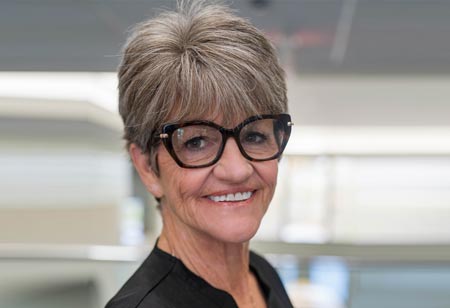
Donna Leach, Doctor of Audiology

Hearing Health Care is my passion and has been the focus of my 40+ years of experience. Growing up I wanted to be a teacher. When entering college, my goal was to become a teacher of the deaf. Entering my Junior year, I changed to the field of Audiology. And thus began my passion to not only understand hearing loss from a medical perspective but to gain insight into the complexities of hearing loss from an individual standpoint.

Audiology Practices Info

Q1
What Services Do Top Audiology Practices Provide for Hearing Health?
Top Audiology Practices provide assessment, diagnosis and management of hearing-related concerns across different age groups. Common services include comprehensive hearing evaluations, hearing aid selection and fitting, tinnitus management, auditory rehabilitation and follow-up care. Some practices also address pediatric hearing needs and balance-related concerns. The scope of care depends on clinical expertise and available services. Patients benefit from clear explanations of test results, personalized recommendations and continued guidance as their hearing needs change. Understanding the available services helps individuals identify appropriate care rather than assuming every hearing concern requires a hearing device.
Q2
Which Audiology Practice Did Medical Care Review Recognize in 2026?
Medical Care Review recognized Acro Audiology Hearing Care Center as its Top Audiology Practice in 2026. The practice serves patients through its locations in San Antonio and Fort Stockton, Texas, offering hearing care tailored to individual needs. Its clinical approach emphasizes understanding a patient's hearing concerns before recommending an intervention. This recognition places the practice within a category focused on specialized hearing assessment, treatment and ongoing support for people seeking help with their hearing health.
Q3
Why Is Demand for Audiology Practices Growing?
Demand for Top Audiology Practices is shaped by population aging, greater awareness of hearing health and the effects of untreated hearing difficulties on everyday communication. People are also becoming more attentive to early assessment when conversations become harder to follow or persistent ringing develops. Hearing care can support social participation, independence and quality of life, making timely evaluation important across age groups. As hearing needs evolve, access to qualified clinicians and continuing support becomes increasingly valuable. Convenient appointments, understandable treatment options and follow-up services can help patients address concerns before communication difficulties become more disruptive.
Q4
What Should Patients Consider When Choosing an Audiology Practice?
When comparing Top Audiology Practices, patients should consider clinical qualifications, the range of diagnostic services, treatment options and the quality of communication with the audiologist. A thorough assessment should help explain the nature of a hearing concern and which interventions may be appropriate. Patients may also want to ask about device costs, insurance coverage, adjustment appointments and ongoing maintenance. Recommendations should reflect hearing results, daily listening needs and personal preferences rather than automatically favoring the most expensive technology. Accessible follow-up care is important because treatment may require adjustments as patients adapt to hearing devices or experience changes in their hearing.
Q5
How Did Acro Audiology Hearing Care Center Establish Its Recognition?
Acro Audiology Hearing Care Center was recognized by Medical Care Review for its individualized approach to hearing care. Its documented services include adult and pediatric hearing treatment, hearing aid options and tinnitus management. The practice also provides Veterans Affairs compensation and pension evaluations. Its stated approach avoids recommending hearing devices or technology levels that patients do not need, connecting treatment decisions with individual circumstances and listening requirements. These service offerings and its emphasis on clinically appropriate recommendations provide concrete context for its recognition among Top Audiology Practices.
Q6
How Are Technology and Clinical Expertise Changing Audiology Care?
Top Audiology Practices increasingly combine diagnostic tools with clinical judgment to help patients understand their hearing and choose suitable interventions. Digital hearing assessments and modern hearing devices can support more tailored treatment, while programming adjustments help address changing listening environments. Technology alone, however, cannot replace an accurate evaluation or informed clinical guidance. Patients also need explanations of realistic benefits, opportunities to discuss difficulties and assistance with adapting to treatment. A balanced approach brings together appropriate equipment, professional assessment and continuing care to support communication in everyday life.