Thank you for Subscribing to Medical Care Review Weekly Brief


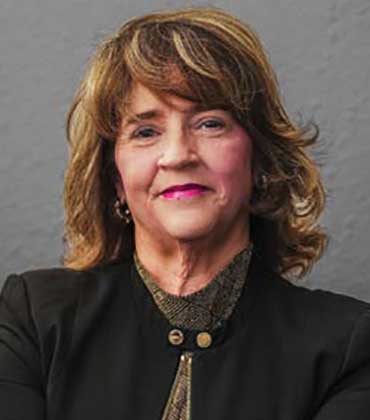 Kristi Mendoza, Owner, CEO and Audiologist
When Dr. Kristi Mendoza, Au. D., began working with an ENT physician affiliated with the Community Care Network (CCN), she saw an opportunity. Veterans across Southern and Central California, including underserved High Desert communities, needed access to hearing care. Many did not know they qualified for benefits earned through military service.
She set out to change that. In 2020, Dr. Mendoza launched Optimum Audiology (OA), bringing over 30 years of clinical experience and a clear sense of purpose to the practice.
Today, OA provides best-practice hearing healthcare through four California locations. Advanced diagnostics, Real Ear Measurement–verified fittings, tinnitus care, technology from major manufacturers, telehealth and concierge support all center on one goal, restoring clarity, confidence and connection. Along with veterans, OA serves active-duty service members (ADSM) with the same individualized, best-practice approach to hearing care. It’s this sustained commitment to veteran-focused care that earned OA the Top Veteran-Centric Audiological Care Clinic 2026 distinction.
“We stop and listen. They are not a number or a statistic. This is somebody with a story,” says Dr. Mendoza. Owner and CEO.
Unlocking Benefits, Opening Doors
Dr. Mendoza’s priority is ensuring veterans and ADSM understand what care may be available to them. A patient may arrive through an insurance referral or casually mention military service during the case history, unaware that they may qualify for hearing benefits. Staff help patients identify possible benefits, connect with the CCN and navigate compensation and pension services so no one pays out of pocket for care they have earned.
“People could potentially spend $6,000 on hearing aids if someone didn’t point them back to the fact that they have a benefit through their own service in the military,” she says.
For veterans not yet connected, Dr. Mendoza clarifies where to go and whom to speak with.
Once access is established, care begins with a detailed case history. Dr. Mendoza takes the time to understand where communication breaks down and how hearing loss affects daily life.
Testing includes pure tone assessment, speech discrimination and QuickSIN, which measures how well a patient processes speech in background noise. Every patient receives a live hearing aid demonstration. Dr. Mendoza programs the devices to the test results and explains the findings while the patient wears them, allowing the improvement to register in real time.
Family members and caregivers are central to adjustment, and Dr. Mendoza helps them know what to expect. After years without amplification, patients may need time to adapt, and simple changes, like speaking more slowly rather than louder, can help. Speech mapping also lets a loved one speak while Dr. Mendoza observes how the hearing aids respond and fine-tunes them around the voice the patient hears most at home.
A Big Heart Behind Every Appointment
Before receiving hearing aids, one veteran had stopped speaking with family members by phone, withdrawn from public life and struggled with tinnitus and balance. Bluetooth calling allowed his family to reach him again. He began shopping, attended dances at a senior center and found a girlfriend. His daughter, who once thought she would never speak with him on the phone again, could reconnect with him. Better hearing helped him return to the life and personality his family remembered.
Veterans consistently say OA has a big heart. That quality runs through every role, from the person answering the phone to the technician checking hearing aids electroacoustically. Birthdays are celebrated. Patients who miss appointments receive a follow-up call. Every veteran who walks in hears the words ‘thank you for your service.’
“We want them to know we recognize what they did, we appreciate what they did and the world is a better place because of what they did,” concludes Dr. Mendoza.
