Thank you for Subscribing to Medical Care Review Weekly Brief
Medical Care Review: Specials Magazine
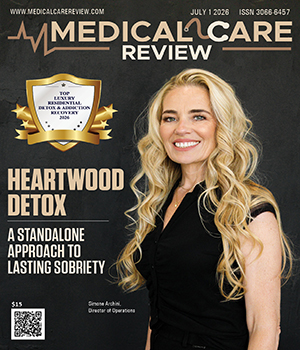
Heartwood Detox
A Standalone Approach to Lasting Sobriety
In the sun-dappled hills of Northern California, Heartwood Detox has quietly established itself as a sanctuary for those seeking to reclaim their lives from addiction. With locations in San Rafael and Novato, the facility specializes exclusively in detoxification, creating an environment designed to nurture, support, and guide clients through the critical first steps of recovery. By focusing solely on detox, Heartwood provides clarity and safety, allowing clients to prepare for the next stage of their recovery journey without the pressure or structure of long-term residential treatment programs. The San Rafael location offers a unique retreat-like experience, featuring a small farm at the back where clients can interact with sheep and chickens, as well as a swimming pool for relaxation and physical therapy. Each bedroom is private, designed to provide comfort and dignity, and equipped with personal televisions for entertainment. The Novato location, while smaller, features six residential beds, a hot tub, and access to scenic trails that encourage outdoor activity and reflection. Both homes maintain consistently high standards, including 24-hour nursing care and a private chef, ensuring clients receive around-the-clock attention and nourishment. Meeting Clients at Their Point of Need Clients come to Heartwood Detox from all walks of life and span a wide range of ages, from 18 to 82. Their struggles vary. Some face chronic alcohol addiction, while others contend with opioids, prescription medications, or stimulants such as methamphetamine.
Physical Therapy
Ripple
The Physical Therapy Practice That Looks Beyond Where It Hurts
Dr. Casey Egan, CEO and Physical Therapist
A personal trainer arrived at his appointment, unable to sit comfortably for five minutes. Imaging had revealed lumbar disc bulges and herniations, and he believed surgery would likely be the next step. Dr. Casey Egan approached the case through a broader functional assessment, looking beyond the imaging findings alone. Within the first session, she identified movement and stability patterns involving the hips and surrounding mechanics that appeared to be contributing to the patient’s symptoms, and the patient’s pain was significantly reduced that same hour. Within two to three weeks, he was back to teaching classes and training clients. Three months later, he was running again. That outcome reflects the model Ripple was built around. Founded by Dr. Egan, Ripple operates as a wellness provider across three locations in the Boston metro area with a clinical approach centered on time, continuity, and full-body assessment. Every appointment is conducted as a full hour, one on-one, with the same therapist throughout a patient’s care. That structure gives therapists uninterrupted time to evaluate movement patterns, understand a patient’s goals, and develop a more comprehensive picture of what may be contributing to pain or limitation. “Our approach allows us to treat the whole person, make sure they understand what caused their pain to begin with, and how to prevent it in the future,” says Egan, CEO and physical therapist. The objective is not only to relieve pain, but also to help patients understand the habits, movement patterns, and physical demands that may affect their long-term health and activity. Ripple’s patients range from high school athletes to people in their seventies and eighties who remain active through golf, tennis, and other daily activities. Many come to the practice looking not only for pain relief, but also for a clearer understanding of how their body is functioning and what may be contributing to recurring symptoms. Before a patient arrives for a first appointment, Ripple matches them with the therapist best suited to their goals and presentation, helping create a more individualized treatment process from the outset.
Pharmacy
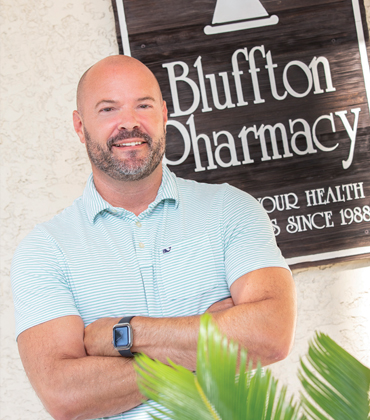
Patient response to therapy often varies in ways that standard drug formulations cannot fully accommodate. Commercially available medications are designed in fixed strengths and dosage forms that may not align with individual patient needs, affecting tolerability, adherence and overall therapeutic outcomes. Bluffton Pharmacy responds to these treatment barriers through patient-specific compounding, aligning each formulation with the prescriber’s intent and the patient’s clinical profile. By adjusting strength, modifying dosage forms and refining excipient composition, pharmacists guide clinical problem-solving to ensure medications remain both clinically appropriate and practical for patients to use. Pharmacists work closely with prescribers and communicate directly with patients to ensure each medication remains practical to administer and aligned with patient treatment needs. This approach drives more consistent results and individualized care. “Our focus is always on making medications safer, more effective and easier for patients to use,” says Rob Vaughn, owner.
Pharmacy
Irsfeld Pharmacy
A Different Model for Chronic Pain Management
Steve Irsfeld, RPh, Owner and Pharmacist-in-Charge
For 44 years, Irsfeld Pharmacy PC has operated as a family-run pharmacy, but under the leadership of second-generation pharmacist Steve Irsfeld, the practice evolved far beyond a traditional dispensing model. At a time when healthcare is increasingly shaped by speed, volume, and automation, the company built its approach around staying involved with patients long after the prescription is filled. That philosophy is visible in the pharmacy’s work with low-dose naltrexone (LDN), a therapy that supports patients with chronic pain, autoimmune conditions, inflammation, mental health and fertility-related care. After decades in retail pharmacy, Steve grew frustrated with high-volume dispensing models that left little room for patient interaction or follow-up. “I’ve always wanted to have the ability to spend time with patients,” he says. “With the traditional pharmacy model with high volume and low reimbursement, that just wasn’t really possible.” Over nearly two decades, Steve helped the pharmacy transition from insurance-heavy retail workflows toward a consultative compounding practice. Additional training through the American Academy of Anti-Aging Medicine expanded the company’s approach, giving patients access to compounded therapies, supplements, and longer consultations tailored to individual treatment needs.
Pediatric Care

Therapy Builders
A New Model for Pediatric Therapy Built Around the Child’s Day
Trace Jahner, Owner and CEO, Carly Jahner, Owner and Director of Operations; Bella Sium, Director of Therapy and Professional Development; Jordyn Larsen, Assistant Director of Operations; ReighClaire Karre, Client and Family Relations
A child may spend an hour in therapy learning how to communicate a need, tolerate a texture, manage a transition or build strength through guided movement. Then the session ends. The family returns home, siblings move around the room, routines take over and the carefully practiced strategy has to survive in a world that looks nothing like the clinic. Too often, that is where progress becomes fragile. Therapy Builders was founded in 2018 on the belief that the model itself is the problem, because true progress shouldn’t be confined to a clinical therapy room. It delivers speech, feeding, occupational and physical therapy entirely in the home, serving families across Arizona. Therapy happens at the dinner table, on the living room floor, during play time and morning routines. Skills are not practiced in one place and expected to appear in another. They are built where they are needed. “We want to understand not only where support may be needed but also each child’s capabilities and the ways they naturally engage with the world,” says Trace Jahner, co-owner and CEO.
Pediatric Care
Mechanical Ventilator Use in the Subacute Pediatric Hospital Setting
Kimberly Plante Keefe, MHA RRT, Respiratory Therapy Director, Franciscan Children’s
Physical Therapy
Rethinking Chronic Pain Management
Shorin Nemeth, Interventional Pain Specialist at Legacy Health
Oncology

Breaking New Ground in Cancer Care
Dr. Ian Jasenof, Chief Medical Officer, Mile Square Health Center-UI Health; Cancer Center-Director of Strategic FQHC Partnerships, UI Health
Audiology

Putting Patients at the Heart of Safety and Accreditation
Sharon Gilliam, Director of Patient Safety & Quality, Williamson Medical Center
Addiction Treatment
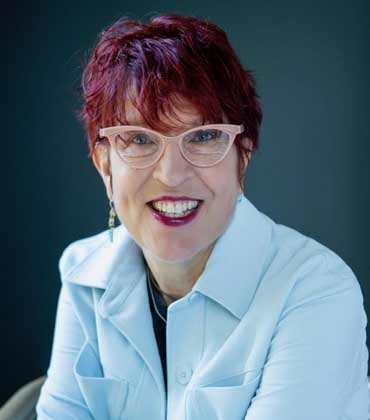
Structuring Mental Health Care around Evidence and Recovery
Lucene Wisniewski, Founder and Chief Clinical Officer, Center for Evidence Based Treatment Ohio
Pharmacy
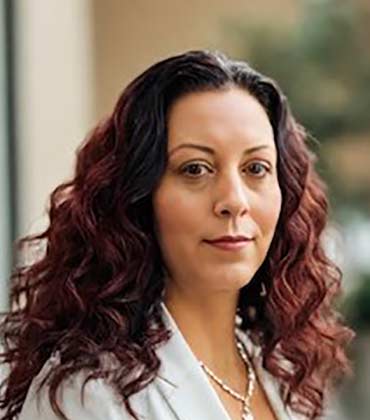
Creating a Culture of Trust and Accountability in Medication Safety
Ambrosia Johnson, System Manager, Pharmacy Medication Safety, CommonSpirit Health
Physical Therapy

Synergizing Healthcare: Integrating CPR and Physical Therapy for Optimal Patient Recovery
Tylar Chappell-Johnson, Physical Therapy Outpatient Clinic Manager, Luminis Health

IN MY OPINION
Hormone Therapy Clinics
The Role of Glp-1s in Women's Longevity and Metabolism
Lexi Yoo, Clinical Director and CEO, Yoo Direct Health
LAST WORD
Dental Care
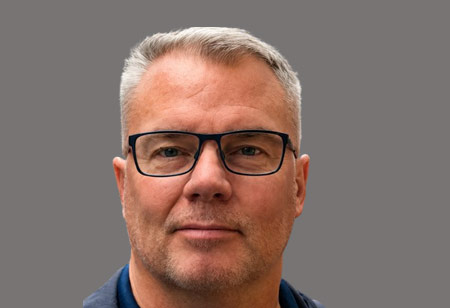
Healthcare isn't Broken-Insurance is
Steve Tierney MD, Senior Medical Director, Southcentral Foundation
IN FOCUS

Luxury Residential Detox and Addiction Recovery for Lasting Wellness
Luxury residential recovery programs combine medical detox, personalized therapies, wellness services, and aftercare support to promote lasting sobriety.

Compounding Pharmacies: Improving Adherence through Personalized Medication
Compounding pharmacies create personalized medications that remove allergens and sensitivities, improving safety, adherence, comfort, and treatment effectiveness.
EDITORIAL
Transforming Healthcare Through Patient-First Systems
Healthcare today is shaped by rapid technological advances, evolving policy frameworks and rising cost pressures, while many leading organizations are refocusing on more personal, accessible and patient-centred care. In this edition of Medical Care Review, we highlight providers and healthcare leaders who are redefining care delivery through innovation in recovery services, pharmacy practice, rehabilitation and long-term wellness.
Our cover story features Heartwood Detox, recognized as the Top Luxury Residential Detox & Addiction Recovery 2026. Recovery often starts during times of uncertainty, when people need stability and support and a road map for their life ahead. Heartwood specializes in detoxification only, and it provides a safe environment where clients can take the necessary steps to start their journey towards recovery.
Bluffton Pharmacy, recognized as the Top Medication Compounding Pharmacy Service 2026, works closely with prescribers and patients to create customized medications that better fit individual treatment needs. Irsfeld Pharmacy, recognized as Top Low Dose Naltrexone Pain Management Service 2026, offers a model of patient education, follow-up, and customized care that enables people to face their various chronic conditions with improved self-assurance.
Ripple, recognized as Top Physical Therapy 2026, uses the concept of rehabilitation by ensuring the patient is aware of the underlying issues causing them to experience pain and lack mobility.
Therapy Builders, recognized as Top Exceptional Pediatric Therapy 2026, brings therapy directly into the home, allowing children to develop important skills within the environments where they learn, play and interact every day.
This edition also features healthcare leaders shaping key conversations in the industry. Alexis Yoo, Clinical Director and CEO of Yoo Direct Health, explores how the GLP-1 pathway therapy helps maintain healthy metabolism among women, along with other strategies for well-being and longevity. Steve Tierney MD, Senior Medical Director at Ssouthcentral Foundation, offers a candid perspective on healthcare costs, arguing that many of the challenges patients face stem from insurance complexity rather than the delivery of care itself.
Together, these share a common thread: progress in healthcare often comes from organizations willing to look beyond standard models and focus on the real needs of the people they serve. We invite you to explore their insights, helping shape the future of patient care.
