Thank you for Subscribing to Medical Care Review Weekly Brief


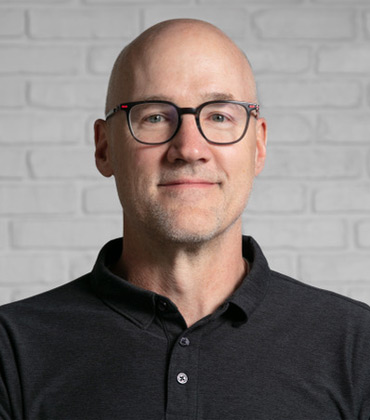 Steve Irsfeld, RPh, Owner and Pharmacist-in-Charge
For 44 years, Irsfeld Pharmacy PC has operated as a family-run pharmacy, but under the leadership of second-generation pharmacist Steve Irsfeld, the practice evolved far beyond a traditional dispensing model. At a time when healthcare is increasingly shaped by speed, volume, and automation, the company built its approach around staying involved with patients long after the prescription is filled.
That philosophy is visible in the pharmacy’s work with low-dose naltrexone (LDN), a therapy that supports patients with chronic pain, autoimmune conditions, inflammation, mental health and fertility-related care. After decades in retail pharmacy, Steve grew frustrated with high-volume dispensing models that left little room for patient interaction or follow-up.
“I’ve always wanted to have the ability to spend time with patients,” he says. “With the traditional pharmacy model with high volume and low reimbursement, that just wasn’t really possible.”
Over nearly two decades, Steve helped the pharmacy transition from insurance-heavy retail workflows toward a consultative compounding practice. Additional training through the American Academy of Anti-Aging Medicine expanded the company’s approach, giving patients access to compounded therapies, supplements, and longer consultations tailored to individual treatment needs.
Steve describes LDN as “a Swiss army knife” because of its wide-ranging applications, but he is equally candid about the patience required for the therapy to work successfully. Most patients begin at 0.5 milligrams and gradually increase dosage within a carefully monitored range, typically stabilizing somewhere between 0.5 and 4.5 milligrams. Instead of pursuing rapid symptom suppression, the pharmacy focuses on gradual dose adjustment, close monitoring, and helps patients stay with the therapy long enough to experience meaningful improvement.
“The medication matters, but maintaining contact with the patient is what allows the therapy to succeed,” he says.
Rather than immediately treating side effects as failure, the pharmacy uses them to identify a patient’s optimal therapeutic range. Steve compares the process to bringing patients “to the edge of the cliff,” maximizing benefit without pushing them beyond what their systems can tolerate.
Every patient begins with an in-depth consultation covering dosing, expectations, side effects, surgery considerations, alcohol use, and other treatment nuances. Patients then enroll in a structured follow-up program supported through the Keap CRM system, allowing pharmacists to build the long-term monitoring system Steve had envisioned for years.
Patients receive scheduled symptom-tracking check-ins and rate 25 indicators over time, giving pharmacists longitudinal data to guide dose adjustments, troubleshoot side effects, and intervene early when problems arise. Patients are also encouraged to remain in direct contact with the pharmacy throughout treatment.
The same flexibility extends into the pharmacy’s compounding practices. For highly sensitive patients, formulations may be adapted around ingredient tolerances using alternatives such as rice flour, almond flour, or tapioca instead of standard fillers.
The pharmacy measures success less by symptom scores alone than by what patients can reclaim in daily life. A fibromyalgia patient who was bedridden regained enough function to return to part-time work after starting therapy. Another family saw dramatic behavioral and communication improvements in their autistic son within weeks of treatment. Fertility patients who struggled to conceive returned with pregnancy news that staff members celebrated together. For many patients, the therapy also remains relatively affordable compared to more intensive chronic-care interventions.
As demand for compounded LDN grew, the pharmacy invested in tablet-press technology capable of producing highly precise doses at a scale traditional capsule compounding could not match. The system improved dosing precision to within roughly one to two percent accuracy while allowing the company to expand without compromising treatment consistency.
Founded by Steve’s father, Jim Irsfeld, more than four decades ago, the pharmacy is now preparing to welcome a third generation as Molly Irsfeld, PharmD, joins the practice. Long employee tenures continue to reinforce the company’s family-oriented culture and relationship-driven approach to care. Its combination of individualized compounding, structured follow-up, patient education, and scalable precision has recently earned recognition as a Top Low-Dose Naltrexone Pain Management Services 2026.
More importantly, the recognition reflects a healthcare model built around something increasingly difficult to sustain in modern medicine: remaining part of a patient’s care long after the prescription leaves the counter.
How Does Irsfeld Pharmacy Approach Low Dose Naltrexone Care?
Pain care often becomes frustrating when patients receive a prescription but little guidance after they begin taking it. Irsfeld Pharmacy brings Low Dose Naltrexone Pain Management Services into a compounding pharmacy setting, where LDN has been part of its work since 1998. It compounds custom medication, works with patients and health care providers on treatment plans and keeps communication open when symptoms or dosing concerns change.
What Should Patients Understand About Low Dose Naltrexone Pain Management Services?
Low Dose Naltrexone Pain Management Services involve prescription-based care, not an over-the-counter wellness shortcut. Patients should understand why LDN is being considered, how dosing may be adjusted and when progress should be reviewed. The most useful model combines medical oversight, pharmacy communication and realistic expectations, especially when pain is connected to broader symptoms that may change over time.
Why Does Follow-Up Matter After Starting LDN?
Early follow-up can prevent patients from giving up too quickly when the first dose does not feel right. Low Dose Naltrexone Pain Management Services often require careful tracking because sleep, discomfort, energy and symptom patterns may shift across several weeks. A structured review gives the pharmacy and prescriber a clearer picture before changing the dose, pausing treatment or deciding whether LDN remains appropriate.
What Service Features Make LDN Care Easier for Patients?
Access matters when a patient is already managing pain, appointments and medication questions. Low Dose Naltrexone Pain Management Services may include custom compounding, clear patient instructions, refill support and delivery options that reduce avoidable friction. Same-day service or mail-out availability can also make a practical difference when patients do not live near the pharmacy or need continuity between provider visits.
How Does Irsfeld Pharmacy Support Patients During the First Few Weeks?
The first month can shape whether treatment feels manageable. Irsfeld Pharmacy asks patients beginning LDN to track symptoms weekly for four to six weeks, giving its team better information when patients call about changes. That kind of follow-up supports Low Dose Naltrexone Pain Management Services because it turns patient experience into a useful care signal rather than a vague report made weeks later.
How Should Patients Evaluate an LDN Pain Management Provider?
Patients should ask how the provider handles prescription coordination, compounding quality, dose changes, side-effect questions and follow-up. Low Dose Naltrexone Pain Management Services should not leave patients guessing after the medication is dispensed. A strong provider explains what to watch, when to call, how progress will be reviewed and how it works with the prescribing clinician if the plan needs adjustment.
