Thank you for Subscribing to Medical Care Review Weekly Brief
Medical Care Review: Specials Magazine

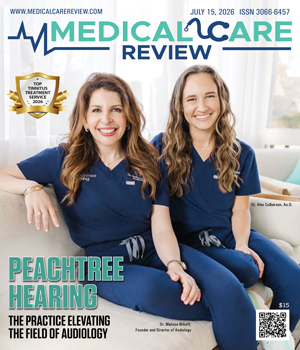
Sound shapes much of daily life, even if we rarely think about it. Earbuds accompany us through commutes, workouts, workdays and moments of escape. We invest in concert tickets, noise canceling headphones and speakers that turn a living room into a venue. Sound entertains, shields, focuses and connects. Yet, most people rarely think about hearing until something changes. A ringing in the ears begins. Or a hiss, buzz or tone no one else can hear. It may appear only at night or intrude on daily life in classrooms, restaurants, meetings or music studios. It makes a musician stop playing, disorients a teacher in a noisy classroom or drives someone to sleep outside because natural sounds feel more tolerable than silence. The condition is tinnitus and far too often patients are told the same unhelpful thing – ‘You just have to learn to live with it.’ Dr. Melissa Wikoff, founder and director of audiology at Peachtree Hearing in Atlanta, has built her practice around a different message. “The number one thing we want our patients to walk out the door with is hope,” she says. “They need to know this is treatable. They don’t have to live with it.”
Top Endoscopic Spine Surgery Practice 2026
When nerve-related spinal pain interferes with movement and daily life, effective treatment depends on resolving the condition while minimizing unnecessary disruption to surrounding tissues. In the spine, where surrounding structures are closely integrated, even limited intervention can affect function and prolong recovery. At Desert Institute for Spine Care (DISC), care is defined by selecting the most tissue-sparing approach capable of resolving the problem in order to preserve function and maximize recovery. As a pioneer in endoscopic spine surgery, Dr. Anthony Yeung developed the Yeung Endoscopic Spine System (YESS), enabling direct visualization and targeted treatment of spinal pathology through minimal endoscopic access. The DISC spine surgeons apply these techniques with a focus on precision, nerve safety, and individualized patient care. “The goal is to offer the least invasive yet maximally effective treatment option to treat the problem,” says Dr. Christopher A. Yeung, president. DISC provides treatments tailored to the nature and severity of each case, ranging from non-operative care to minimally invasive procedures and, when necessary, more extensive intervention. When symptoms are driven by inflammation without significant structural compression, targeted injections or therapy may be sufficient. In cases involving neurological changes such as weakness or numbness, earlier surgical intervention may be recommended to prevent progression. When intervention is needed, the approach is guided by the type and location of pathology. For example, foraminal or lateral disc herniations are ideal for advanced endoscopic techniques which allow direct access to the affected nerve root without extensive disruption. The camera provides high-definition direct visualization at the site of pathology and can be moved around the area to look at the nerve and herniation from different angles and perspectives to provide the most precise, safe treatment. .
Bioidentical Hormone Replacement
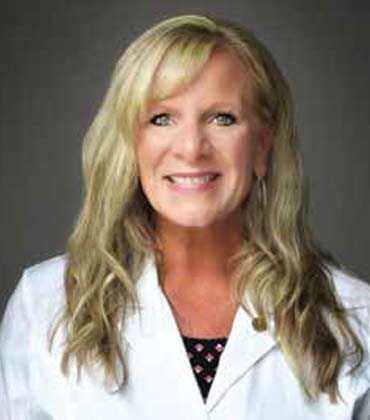
Away from the noise of big hospitals, a quiet awakening is taking root near Buffalo—where women navigating menopause, hormonal imbalances, and agerelated challenges are finally being heard, healed, and empowered. At the forefront is Chellino Health Nurse Practitioner, led by Tracy L. Chellino, MSN, ANP-BC, a board-certified Nurse Practitioner and nationally recognized expert in Bioidentical Hormone Replacement Therapy (BHRT). Founded on the belief that women deserve personalized, rootcause solutions—not symptommasking prescriptions—Chellino Health offers holistic, science-backed alternatives to conventional hormone care. While many clinics focus narrowly on pellet therapy, Chellino’s approach is more comprehensive, targeting the entire endocrine system, including thyroid function, testosterone, and more. Chellino’s journey is deeply personal. After a hysterectomy, she found little relief from traditional healthcare. “My primary care physician couldn’t help me. My endocrinologist couldn’t help me. I felt dismissed and helpless,” she recalls. That experience catalyzed her mission to change women’s healthcare. Determined to rewrite the narrative, Chellino pursued advanced training in BHRT and endocrinology—learning from the Hormone Health Institute and top practitioners in Texas. She holds a Master’s in Adult-Gerontology Primary Care from Daemen University, is board certified by the American Nurses Credentialing Center, and has earned a Master’s Certification in BHRT, hormone health, and Platelet Rich Plasma vaginal rejuvenation. With dual bachelor’s degrees in Nursing and Psychology—both earned summa cum laude—Chellino brings scientific depth and empathetic insight to her practice. Treating the Whole Hormonal System What sets Chellino Health apart is its root-cause, full-spectrum approach. Rather than masking symptoms with antidepressants or creams, Chellino focuses on restoring hormonal balance naturally. “Everything in your wellness begins with hormones. They are the foundation of health. When we rebuild that foundation, everything else improves—energy, mood, weight, sleep, relationships,” explains Chellino, founder and owner. Unlike most clinics that prioritize only estrogen and progesterone, Chellino highlights testosterone’s role in women’s vitality, strength, and emotional well-being.
Practitioner Insights
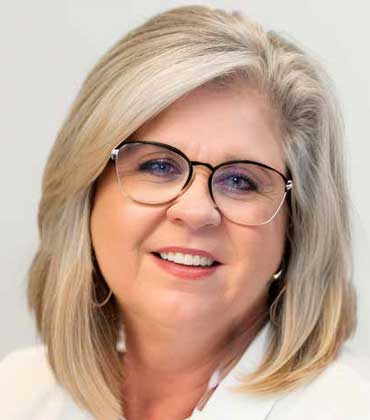
Transforming Mental Health through EMDR Therapy: A Leader's Perspective
Eileen Borski, LPC, Mental Health Counselor, Spring Health
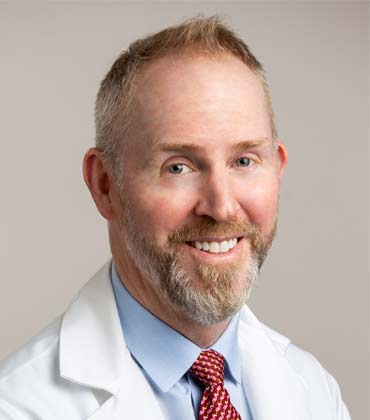
The Delicate Balance between Audiology and Otolaryngology
Gresham Richter, Chief of Pediatric Otolaryngology in the Department of Otolaryngology – Head and Neck Surgery, UAMS
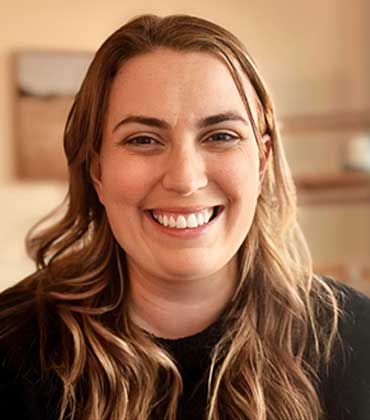
Building Trust and Consistency in Anxiety and Ocd Treatment
Julia Markovich, LCSW, Owner, Psychotherapist, Carolina Anxiety and OCD
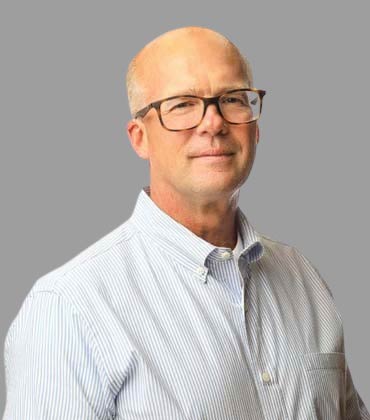
Spine Care’s Missing Role and How Stakeholders Helped Us Find It
Ian Paskowski, Medical Director, Medical Back Pain Program, Beth Israel Deaconess Hospital-Plymouth
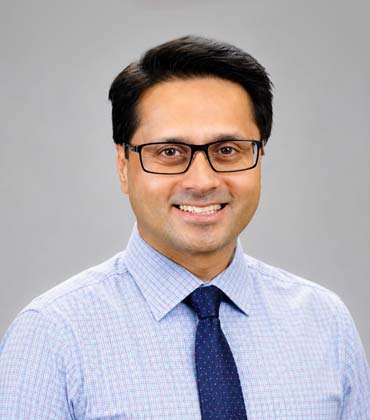
Advancing Endoscopic Innovation and Operational Excellence
Syed Kashif Mahmood, Director of Gastrointestinal Endoscopy, Lahey Hospital & Medical Center


IN FOCUS

EMDR Therapy: Innovative Solutions for Lasting Mental Wellness
EMDR therapy supports emotional stability, promotes healing from distressing experiences, and helps reduce negative thought patterns over time.
Transforming Musculoskeletal Care: Emerging Market Trends
Musculoskeletal care trends emphasize prevention, measurable outcomes, workforce performance, and operational efficiency.
EDITORIAL
Advancing Personalized Patient Care
A cross hearing health, spine surgery and behavioral health, providers are refining treatment strategies that combine clinical expertise, advanced technology and compassionate care to improve outcomes while addressing each patient’s unique needs. This edition of Medical Care Review highlights organizations and healthcare leaders who are advancing that vision through specialized expertise, patient centered care and evidence-based innovation.
Featured prominently in this issue, Peachtree Hearing is recognized as the Top Tinnitus Treatment Service 2026 for its personalized approach to tinnitus management. By combining comprehensive diagnostics, individualized treatment planning and evidence-based therapies, it helps patients find meaningful relief to address both the clinical and personal impact of tinnitus.
Extending this commitment to patient-centered specialty care, Desert Institute for Spine Care is recognized as the Top Endoscopic Spine Surgery Practice 2026. Its practice applies a least invasive, patient-specific philosophy that preserves function while effectively treating nerve-related spinal conditions. Through advanced endoscopic techniques, careful clinical evaluation and an emphasis on patient education, Desert Institute for Spine Care enables individuals to make informed decisions while supporting efficient recovery and improved quality of life.
This edition also features insights from healthcare leaders who emphasize the value of collaboration and individualized treatment. Gresham Richter, Chair of Otolaryngology-Head and Neck Surgery at the University of Arkansas for Medical Sciences, discusses how stronger collaboration between audiologists and otolaryngologists, supported by evolving technology, is advancing comprehensive hearing care. Reylla Santos, Mental Health and Drug and Alcohol Counselor at Millennium Counseling Center, shares how personalized counseling, meaningful human connection and an understanding of each individual’s circumstances help foster lasting recovery from addiction.
Together, the organizations and experts featured in this issue reflect a shared commitment to delivering care that is precise, personalized and centered on the needs of every patient. We invite you to explore their stories and insights as they illustrate the progress shaping the future of healthcare.
