Thank you for Subscribing to Medical Care Review Weekly Brief
A featured contribution from Insights: a curated forum reserved for leaders nominated by our subscribers and vetted by our Medical Care Review Advisory Board.

Lahey Hospital & Medical Center
Advancing Endoscopic Innovation and Operational Excellence
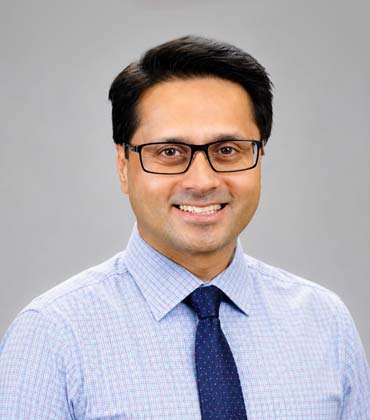
Syed Kashif Mahmood
Dr. Syed Kashif Mahmood is the Medical Director of Endoscopy at Lahey Hospital & Medical Center, bringing a unique blend of clinical expertise and healthcare management to his leadership role. With a passion for minimally invasive therapies, he pursued an advanced fellowship in endoscopy, honing his skills in complex procedures. His commitment to optimizing patient care extends beyond technical excellence; he also holds a degree in healthcare management from Harvard University, where his research focused on enhancing bowel preparation protocols for hospitalized patients undergoing colonoscopy.
Through this article, Dr. Mahmood highlights the key strategies and innovations driving the adoption of advanced endoscopic techniques, emphasizing the importance of education, operational efficiency, workforce expansion, and emerging technologies in shaping the future of minimally invasive gastrointestinal care.
Overcoming Barriers to Advanced Endoscopic Adoption
Despite challenges such as cost, training, and regulatory hurdles, the growing demand for minimally invasive interventions has driven significant innovation in gastrointestinal endoscopy. For instance, the introduction of the cholangioscope revolutionized access to the biliary system, while lumen-apposing metal stents have expanded the reach of endoscopy to previously inaccessible areas of the body.
A needs-based approach is essential for the successful adoption of new technologies, ensuring that innovations directly address critical gaps in patient care. Key strategies for driving adoption include:
- Education & Training: Implementing structured programs to equip providers with the necessary skills.
- Financial Justification: Demonstrating improved patient outcomes, cost-effectiveness, and long-term value.
- Regulatory Engagement: Proactively collaborating with regulatory bodies to streamline approvals and integration.
By prioritizing these strategies, healthcare institutions can successfully incorporate advanced endoscopic techniques, ultimately enhancing patient care and expanding the possibilities of minimally invasive treatment.
Process Improvements and Best Practices in Gastrointestinal Endoscopy
Operational efficiency is crucial in endoscopy units, which are high-volume, revenue-generating hospital departments. Improving outcomes requires:
- Optimizing Electronic Medical Records (EMR): Enhancing workflow, data tracking, and scheduling.
- Standardized Protocols: Ensuring consistency in bowel preparation, sedation, and infection control.
- Capacity Management: Streamlining scheduling and resource allocation to reduce wait times.
These process improvements enhance both patient care and institutional efficiency.
The Expanding Role of Endoscopy in Therapeutic Treatment
Endoscopy has evolved from a diagnostic tool to a frontline therapeutic approach. A key example is Peroral Endoscopic Myotomy (POEM) for achalasia, which in many institutions has replaced traditional surgery as a minimally invasive alternative with comparable outcomes.
This trend will continue, with endoscopy increasingly offering curative, minimally invasive solutions for conditions once treated surgically.
Addressing Major Gaps in Gastrointestinal Endoscopy
A major challenge is the shortage of trained gastroenterologists and advanced endoscopists. As a result, patients often undergo unnecessary surgery when endoscopic solutions could be more appropriate.
Key solutions include:
- Expanding Fellowship Training Programs.
- Creating Regional Centers of Excellence for advanced endoscopic procedures.
- Leveraging Remote Training & Simulation to scale expertise.
Addressing this workforce gap will expand access to minimally invasive endoscopic treatments.
Innovations Shaping the Future of Gastrointestinal Endoscopy
Two transformative areas within advanced endoscopy are Endobariatrics and Third Space Endoscopy.
- Endobariatrics: With obesity-related healthcare costs exceeding $173 billion annually, minimally invasive weight-loss solutions are critical. Endobariatric procedures provide a scar-free alternative to medication or surgery, addressing gaps in patient tolerance, insurance coverage, and safety.
- Third Space Endoscopy: This field enables the removal of early gastrointestinal cancers and treatment of motility disorders using techniques such as endoscopic submucosal dissection (ESD) and POEM. As applications grow, these innovations will further minimize the need for invasive surgery.
Both fields are set to play a crucial role in the future of patient care.
Strategies for Scaling New Gastrointestinal Technologies
To successfully integrate new gastrointestinal technologies, hospital leaders should prioritize:
- Investing in Endoscopy Infrastructure with a special emphasis on Advanced Endoscopy.
- Building Multidisciplinary Collaboration with surgery, oncology, and radiology.
- Leveraging AI and Data Analytics to optimize patient outcomes and procedural efficiency.
A strategic approach to endoscopic innovation will enhance institutional capabilities, drive better outcomes, and position hospitals at the forefront of minimally invasive care.
The articles from these contributors are based on their personal expertise and viewpoints, and do not necessarily reflect the opinions of their employers or affiliated organizations.
