
Dental Care

Pannu Dental Group: Robotic Precision, Human Judgment
Pannu Dental Group
Pannu Dental Group: Robotic Precision, Human Judgment
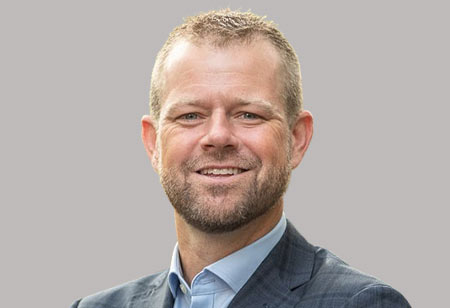
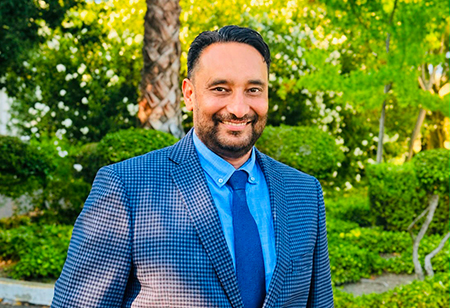
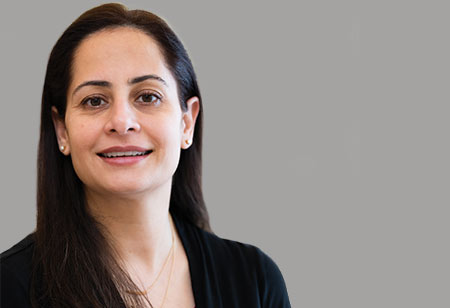
Dr. Dalvir Pannu, Founder & CEO, Pannu Dental Group; Fellow, American Academy of Implant Dentistry; Master, International Congress of Oral Implantologists
When implant treatment can shape a patient’s function, confidence, and quality of life for years, choosing the right practice requires more than finding one that places implants. It requires a team that can coordinate every clinical decision, apply advanced technology with experienced judgment, and guide the patient through the entire treatment journey. Pannu Dental Group is built around that responsibility.

For instance, Greg had spent years with deteriorating teeth. Chewing had become difficult, photographs were avoided, and confidence had faded. Treatment offered an opportunity to restore not only oral function, but also the confidence that had been lost along the way.

CBCT 3D imaging and digital planning helped the team evaluate the patient’s anatomy and develop a full-arch implant plan. During surgery, the Yomi Robotic System provided real-time guidance to help execute that plan with precision.

Pannu Dental Group is San Jose’s first Yomi robot-assisted implant surgery center and utilizes the first and only FDA-cleared robotic technology for dental implant surgery. But the practice emphasizes that robotics supports, rather than replaces, clinical judgment. In appropriate cases, robotic guidance can support implant placement through smaller surgical openings, potentially reducing tissue disruption, swelling, and postoperative discomfort compared with a traditional surgical approach involving a larger flap.

“Robotics gives us another level of precision, but the purpose is ultimately patient care: thoughtful planning, smaller surgical access when appropriate, and a more comfortable healing experience,” says Dr. Dalvir Pannu, Founder & CEO, Pannu Dental Group; Fellow, American Academy of Implant Dentistry; Master, International Congress of Oral Implantologists.

Following treatment, the patient could eat comfortably, smile for photographs, and participate more confidently in everyday life. For Pannu Dental Group, the outcome illustrates the broader purpose of technology: using greater precision in service of a better patient experience and a lasting clinical result.

Pannu Dental Group was named Medical Care Review’s Dental Implant Surgery Practice of the Year 2026, recognizing its combination of robot-assisted implant technology, comprehensive dentistry, and patient-centered care.

Coordinating the Complete Result

For complex implant treatment, placing the implants is only part of the process. The health of the gums and supporting bone, the position of the teeth, the design of the restoration, facial proportions, esthetics, and long-term maintenance can all influence the final result.

That is why Pannu Dental Group approaches implant treatment as part of comprehensive dental care rather than as an isolated procedure.

Established in 2003, the practice provides family and children’s dentistry, braces and Invisalign, restorative and cosmetic dentistry—including complete smile makeovers with porcelain veneers—endodontics, periodontics, and advanced implant treatment.

Having these services within one group allows doctors to coordinate care from diagnosis through final restoration. For patients undergoing complex treatment, that can mean fewer handoffs between offices and a team with a broader understanding of the patient’s dental needs.

The practice serves patients in San Jose, Cupertino, Fremont, and Sunnyvale, while also welcoming patients who travel to the Bay Area for complex implant and restorative treatment.
Secure Dental: Helping Patients Receive Care
Secure Dental
Secure Dental: Helping Patients Receive Care
Dr. Jafri, Founder & CEO
Many people avoid the dentist not out of fear of dentistry itself but of the needle or a difficult past experience. Fear can influence dental decisions for years, leading some patients to rely on pain medication or antibiotics while minor problems become more serious.

Secure Dental was built on understanding those fears before discussing treatment. Listening, personalized sedation and careful clinical planning help patients move forward with care they may have postponed for years.

Serving children and adults across multiple offices, Secure Dental provides personalized sedation exclusively through dentists who completed additional education, supervised clinical training and certification after dental school. Certification demands additional training, supervised practice, recurring education and advanced life support training.

Alongside specialized training, the team first identifies the needle fear, past experience or anxiety that prevented a patient from seeking care.

“We often find patients are not afraid of dentistry itself. They’re afraid of the needle or a difficult experience they’ve carried with them for years. When we understand that fear first, we can help them move forward with confidence,” says Dr. Jafri, Founder & CEO.

Care Planned Around Each Patient

At Secure Dental, assessment begins with the patient’s story, not the procedure. Before discussing treatment, the team asks why the patient came in now, what happened during previous dental experiences and what they fear most. Answers can help explain why someone repeatedly postponed treatment, sought temporary relief through medication or waited until discomfort became unavoidable.

“We don’t begin by thinking about the procedure. We begin by understanding the person sitting in front of us. When patients feel heard, trust follows and treatment becomes possible,” says Dr. Jafri.

Understanding the source of anxiety gives the team context for the clinical evaluation. Cardiac and respiratory health, pregnancy status, allergies, medications, vital signs and weight are reviewed along with other factors that could influence sedation. Emotional concerns and clinical findings are considered together when determining suitable care for each patient.

We often find patients are not afraid of dentistry itself. They're afraid of the needle or a difficult experience they've carried with them for years. When we understand that fear first, we can help them move forward with confidence.


Sedation is never one size fits all. Someone primarily anxious about a needle may have different needs from a patient facing several hours of treatment. Oral medication or nitrous oxide can help some patients during shorter appointments while IV sedation may be considered for longer or complex procedures. Sedation serves as a way to address a barrier that may have prevented someone from receiving necessary dental care.

Screening, informed consent, preoperative instructions, fasting guidance and transportation arrangements help patients arrive prepared. Knowing who will be present, what to expect and how anxiety will be managed can reduce some of the uncertainty associated with dental fear.

Communication keeps attention on the life patients hope to regain: smiling comfortably, eating normally and feeling confident again. Avoiding unnecessary procedural detail can help prevent anxiety from building before treatment. Patients who have postponed care for years can focus on a positive result instead of the experience they have feared.

A Practical Example of Change

A 42-year-old woman had avoided significant treatment for six years after a difficult childhood dental experience left her fearful of injections and procedures. Raising her family remained a priority while her own dental care was repeatedly postponed, eventually leaving her in need of extractions and implant planning.
StellaLife<sup>®</sup>: Advancing Oral Care through Innovation & Compassion
StellaLife®
StellaLife®: Advancing Oral Care through Innovation & Compassion
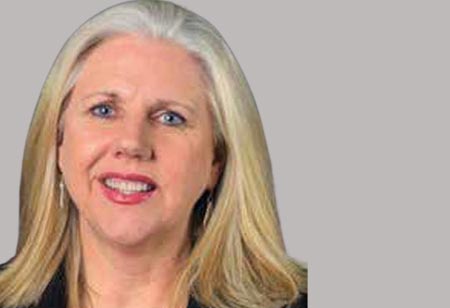
Debbie Durako, Vice President
Oral health is closely connected to comfort, confidence, and overall wellness. StellaLife® is redefining how individuals and dental professionals approach oral care by developing solutions designed to support a better experience, comfort, hydration, healthy gums, and everyday oral wellness.

Driven by a dedicated and compassionate team of specialists and clinical advocates across the country, StellaLife is guided by a clear vision: to save lives through Intelligent Healing®. The company focuses on creating professional-quality, science-backed natural formulations that complement dental care while improving comfort and reducing reliance on opioids, steroids, and antibiotics for patients nationwide.

Through its patented VEGA® Oral Care portfolio, StellaLife provides a range of solutions designed around oral comfort and care. The company’s products are developed to fit into professional recommendations and personal routines, helping address the growing demand for convenient oral health solutions that prioritize natural ingredients, a better experience, ease of use, and patient-centered outcomes.

Building a Comprehensive Oral Care Portfolio

StellaLife has built a diverse portfolio spanning professional oral care and daily wellness, microbiome support, and nutritional support. Its flagship VEGA® Oral Care Recovery/Comfort Kit combines a professional rinse, sublingual spray, and topical gel into a patented system designed as an adjunctive therapy to complement professional dental care.

The VEGA® Oral Care Gel focuses on soothing, moisturizing, and hydrating oral tissues while promoting tissue health and appearance. The VEGA® Oral Care Rinse supports oral health, hydrates the oral cavity, supports healthy gums, and freshens breath through a non-staining, non-burning natural formula. Available in multiple flavors, including Peppermint, Spearmint, Vanilla-Mint, and Coconut, the rinses are designed to provide a comfortable addition to daily routines.

The advanced oral care rinse formulation, available in Coconut flavor, provides additional support for sensitive patients with various conditions affecting the oral cavity, as well as patients with a history of chemotherapy and radiation to the head and neck.

Beyond professional care, StellaLife offers Herbal Wellness Mouthwashes, Oral & Gut Pre+Post+Probiotics Kits, Pre+Probiotic Lozenges, and DentaMedica™ nutritional supplements. This broader approach reflects the company’s belief that oral health extends beyond individual products and requires attention to daily habits, microbiome balance, and nutritional support.

StellaLife has partnered with Apollo Health providing StellaLife VEGA Oral Care Rinse and Oral Probiotics as part of the Bredesen protocol to reverse and prevent dementia. Neuroscientist, Dr. Dale E. Bredesen, MD, world-renowned author of the New York Times bestsellers: The End of Alzheimer’s and The Ageless Brain has successfully stabilized or reversed cognitive decline for hundreds of patients across specific published case series and clinical trials. StellaLife VEGA Oral Care Rinse provides bactericidal and bacteriostatic activity against Porphyromonas Gingivalis and Fusobacterium Nucleatum, two oral pathogens linked with dementia. The Rinse does not target the commensal bacteria, which have many important functions, including the production of Nitric Oxide , needed to keep blood vessels dilated. Most antiseptic rinses kill these commensals, causing a dysbiosis leading to increased blood pressure. The Rinse also has anti-fungal properties. The StellaLife Probiotics support a healthy Oral Microbiome, displacing pathogens known to be key players in the development of cognitive decline. These StellaLife products are part of the ReCODE protocol for Apollo Health practitioners.

Creating Comfortable Experiences

One of StellaLife’s key differentiators is its emphasis on efficacy, comfort, and science-backed natural ingredients. Many consumers seek oral care products that fit naturally into their routines without unpleasant sensations. StellaLife addresses this need with formulas designed to avoid staining and burning while providing hydration and freshness.
Exquisite Dental Implant Center: Creating Lasting Smiles with Precision and Care
Exquisite Dental Implant Center
Exquisite Dental Implant Center: Creating Lasting Smiles with Precision and Care
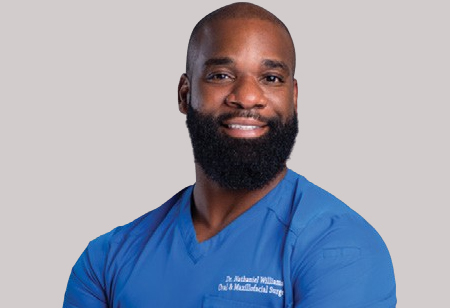
Dr. Nathaniel Williams, Founder and Lead Oral & Maxillofacial Surgeon
How does restoring dental health influence confidence, communication, and overall quality of life?

A healthy smile influences how freely someone laughs, how comfortably they speak, and how confidently they show up in everyday moments. Dental health and self-assurance are closely connected, and when challenges arise, the emotional impact can run as deep as the physical effects. At Exquisite Dental Implant Center, restoring a smile is seen as an opportunity to restore the sense of ease and assurance that defines quality of life.

What philosophy guides patient experience from consultation through recovery at Exquisite Dental Implant Center?

The center approaches care with a combination of clinical precision and personal attention. Patients are welcomed into an environment where they are met with respect, empathy, and the time to share their concerns. This philosophy reflects a broader mission to enhance lives through innovative implant solutions and thoughtful care. From the first consultation through recovery and follow-up, the goal is to create a smooth, comfortable journey that reflects genuine attentiveness to individual needs.

“Many patients tell us they finally feel heard here, and that connection matters because this is a life-changing investment for them,” says Dr. Nathaniel Williams, Founder, Lead Oral & Maxillofacial Surgeon.

Patient-Centric Solutions: The Advantages of Dental Implant Services

Patient-Centric Solutions: The Advantages of Dental Implant Services

The dental industry continues to evolve as patients increasingly seek long-term solutions that support oral function, comfort, and aesthetics. Among the most significant developments in restorative dentistry, dental implant surgery has emerged as a valuable treatment option that aligns clinical outcomes with business growth opportunities.

As demand for advanced dental procedures increases, practices are recognizing the importance of integrating implant services into their operational and strategic plans. Beyond patient care, dental implant surgery contributes to revenue diversification, strengthens practice positioning, and supports sustainable development within a competitive healthcare environment.

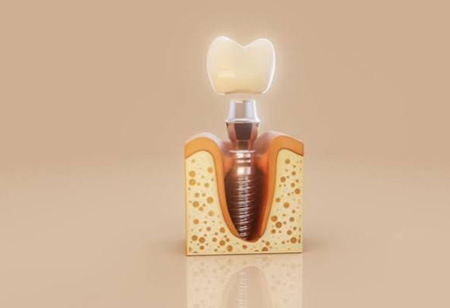
Dental implant surgery involves the placement of a specialized fixture into the jawbone to support a replacement tooth or multiple teeth. While the clinical procedure remains central to treatment success, the business implications extend across multiple areas of practice management. Growing awareness of restorative dental options has created a larger patient base seeking comprehensive treatment solutions.

This trend has encouraged dental providers to expand service capabilities and invest in technologies that support precision, efficiency, and improved patient experiences. As a result, implant services have become an important component of modern dental business strategies.

The Benefits and Demand for Dental Implant Surgery in Practice Growth

One of the biggest business perks of dental implant surgery is that it can bring in brand new revenue, almost like a second lane for the practice. When providers add implant procedures, they can offer a wider menu of restorative options without sending patients away for that follow-up work. Because of that, the practice is more likely to keep patients longer, and it can raise the overall value coming from the relationships it already has.

Implant care usually isn’t just one appointment. It tends to include things like consultation, diagnostic evaluation, surgical placement, then restoration, and finally some follow-up check-ins. Each part keeps the practice active, but it also helps the team build a complete treatment plan. When the same place can guide a patient through the whole process, it supports smoother operations and can open the door for longer-term patient involvement. So as practices look for steady growth, specialized services like dental implant surgery can end up supporting financial performance, and at the same time, make the patient experience feel better.

Then there is the demand side. The growing need for restorative dentistry also encourages investment in improved equipment and more modern digital workflows. Practices that build efficient systems for diagnosis, planning, and patient communication often see more dependable day-to-day operations and better use of resources. These updates don’t only help implant services, they can lift broader practice performance too.

Enhancing Implant Programs through Coordination and Patient Experience

For an implant program to really work, clinical teams have to coordinate well with admin staff and with the treatment planning process itself. As practices roll out more implant services, operational efficiency starts to matter more and more. Using digital imaging, connected patient records, and tighter scheduling systems helps keep the workflow steady across the entire journey. When coordination improves, delays tend to shrink, communication gets clearer, and the patient experience becomes a lot more organized.

Patient experience is still a major business factor in modern dentistry. People looking for implant treatment often do a lot of research before choosing someone. Practices that show professionalism, honest transparency, and reliable service delivery are more likely to earn trust and move patients toward accepting treatment. Clear explanations about procedures, timelines, and expected outcomes also support smarter decisions and help patients feel confident.

Good patient experiences can drive reputation and referral growth. When patients are satisfied, they often mention the practice to family, colleagues, and friends. Over time, that community visibility can align with marketing goals while also reinforcing the idea that high-quality care and consistent service really happen there.

The Strategic Importance of Dental Implant Services for Practice Growth

Dental implant surgery can be a meaningful part of long-term practice development because it connects clinical excellence with business strategy. As demographic patterns change and as patient expectations keep shifting, practices that provide full restorative solutions are usually better positioned to meet what the market wants. Implant services let providers handle more complex needs, while still keeping continuity of care inside one practice setting.

Workforce development matters too. Expanding implant capabilities pushes clinical teams toward ongoing training and skill building. Continuous learning supports service quality while also helping practices keep pace with evolving techniques and industry standards. This kind of dedication can even strengthen organizational culture, and it often improves overall operational output.

From a business angle, implant services help create diversification and resilience. When a practice offers more than one treatment category, it reduces the risk of depending on only one area for revenue. In addition, thoughtful investments in technology, education, and patient engagement can increase the returns that implant programs generate.

As the dental industry continues moving forward, dental implant surgery remains a major opportunity for practices aiming for sustainable expansion. By combining specialized clinical services with efficient operations, strong patient relationships, and continued professional development, providers can create lasting value. Putting implant services into broader practice planning supports financial performance, strengthens competitive positioning, and contributes to long-term business success in an increasingly advanced healthcare marketplace today.


Understanding the Benefits of Sedation Dentistry Treatment for Comfortable Dental Care

Many people avoid dental visits because of fear, discomfort, or past negative experiences, which can lead to more serious oral health problems over time. Modern dentistry addresses these concerns by prioritizing patient comfort alongside effective treatment. Sedation dentistry treatment helps patients stay calm and relaxed during dental procedures, making care easier for both the patient and the dental team. It is suitable for more complex procedures and can also benefit those with dental anxiety during routine visits. By creating a more comfortable experience, sedation encourages regular dental care, builds patient confidence, and supports better long-term oral health and overall wellbeing.

Creating a Comfortable Dental Experience

Each patient has specific concerns that come to mind when they enter a dental office. There is a fear of pain, a fear of dental tools, and a fear of past experiences. Some people may have sensitive gag reflexes or be unable to sit still for long. Sedation offers a useful means of overcoming these challenges without compromising the clinical environment.

Each person's oral health history, current medications and treatment requirements are assessed before dentists recommend a sedative level. The chosen method will vary based on the complexity of the operation and patient comfort. This personalized planning helps ensure that every patient receives care suited to their individual circumstances.

There are various types of sedation to choose from based on the circumstance. Mild sedation means that the patient is conscious, but very relaxed. Moderate options might allow patients to have little recollection of the procedure while remaining responsive to instructions. For more complicated procedures or patients with significant anxiety, more advanced techniques might be useful. Throughout, trained personnel are monitoring breathing patterns, heart rate and overall patient condition to ensure safety.

Also, those who may have physical issues that make it hard for them to receive dental care will benefit from sedation. Sedation is offered as part of treatment more commonly, especially for patients with movement disorders or developmental conditions or who have a strong gag reflex, making it easier for them to complete treatment comfortably. When properly examined by competent dental care providers, children and adults alike can benefit.

Patients and dental teams are likely to be more cooperative when they feel comfortable during treatment. There is often a smoother process that may require fewer appointments. Patients with a relaxed mind also have a relaxed body; therefore, it will be easier for the provider to treat the patient.

Safety Through Careful Planning

Safety remains the highest priority throughout every sedation procedure. Before treatment begins, the dental team conducts a detailed review of the patient's medical background. Existing health conditions, allergies, medications and previous experiences with anesthesia all contribute to the planning process.

Patients also receive clear instructions before their appointment. Depending on the type of sedation, they may need to avoid eating or drinking for a certain period. Some forms of sedation require patients to arrange transportation because they should not drive immediately after treatment. Following these instructions supports both safety and recovery.

During the procedure, dental professionals continually observe vital signs and patient responses. The clinical team can now use modern monitoring to detect any changes and take action if necessary. This is continuous oversight that helps provide a controlled setting, with patient wellbeing at its heart. The amount of recovery will depend on the type of sedation used. However, mild forms tend to resolve quickly, and the patient can return to normal activities shortly thereafter.

More severe forms will need more rest before resuming normal activities. Dentists give patients comprehensive aftercare instructions to ensure they know what to expect after the procedure. Good communication is also important for good results. Patients should feel at ease discussing their concerns, asking questions, and providing updates about their health before treatment. Honest conversations help dental practitioners make informed decisions and build trust between patients and practitioners.

Long-Term Benefits for Oral Health

When patients feel less anxious about dental visits, they are more likely to schedule regular checkups and cleanings and complete recommended treatments. Preventive care helps detect and address small issues before they become more serious, supporting healthier teeth and gums over time. Many people who once postponed treatment find that a comfortable dental experience changes their attitude toward future appointments.

Positive dental visits are especially important for children. Calm and reassuring experiences help reduce fear, build confidence, and encourage healthy oral care habits that continue into adulthood. As children become more comfortable with dental care, they are more likely to maintain regular visits and good hygiene practices throughout their lives. Adults who overcome dental anxiety also set a positive example for their families by prioritizing preventive care.

Advances in dental technology and patient-centered techniques continue to improve comfort during treatment. When combined with sedation dentistry, these innovations create a more relaxed environment that supports both physical comfort and emotional wellbeing. As a result, more patients can receive the dental care they need with greater confidence and less fear.

Comfort should never be viewed as a luxury in dentistry. It is an essential part of helping patients maintain healthy smiles throughout life. By reducing anxiety, supporting safe treatment and encouraging consistent preventive care, sedation has become an important part of modern dental practice. Patients who once avoided appointments can now approach dental care with greater confidence, knowing that effective solutions exist to make each visit more comfortable and less stressful.

Oral Health and Pain Management Solutions: Transforming Dental Care

Oral health and pain management solutions are helping people take a more proactive approach to everyday dental care by making treatment easier to manage and more accessible. Modern care options are supporting faster relief from tooth-related discomfort while encouraging regular dental visits that can help prevent more serious concerns in the future.

Whether you are dealing with sensitivity, gum irritation, or recovery after a dental procedure, these solutions are contributing to improved oral well-being and greater confidence in seeking timely care. As awareness of preventive dental practices continues to grow, oral health and pain management solutions are playing an increasingly important role in helping individuals maintain comfort and overall quality of life.

Key Trends Shaping Oral Health and Pain Management Solutions

Greater emphasis on minimally invasive dental care is emerging as a notable trend within oral health and pain management solutions. Dental professionals are increasingly focusing on techniques that preserve healthy tooth structure while addressing concerns at an earlier stage. This approach is helping reduce the need for more complex interventions and supporting a more efficient treatment process for patients.

Personalized care strategies are also gaining prominence as oral health needs become more diverse. Treatment decisions are increasingly being shaped by factors such as age, lifestyle habits, existing dental conditions, and individual pain responses. This shift is enabling dental professionals to deliver care that is better aligned with each person's specific requirements.

Patient education is becoming a stronger focus throughout the treatment journey. Clear communication regarding oral hygiene practices, treatment options, and potential risk factors is helping individuals make more informed decisions about their dental care. Increased awareness is encouraging greater participation in maintaining oral health between professional visits.

Increasing collaboration between dental professionals and patients is becoming an important trend within oral health and pain management solutions. Individuals are taking a more active role in discussions about treatment choices, expected outcomes, and care priorities. This shift is encouraging shared decision-making, helping patients better understand available options and participate more confidently in the planning of their dental care.

Patient Needs and Preferences

Convenience remains a key priority for many individuals seeking oral health and pain management solutions. Busy schedules are encouraging people to look for care options that fit more easily into their daily routines, including simplified treatment processes, flexible appointment availability, and straightforward care plans. Ease of access to services is becoming an important factor in how people choose and continue their dental care.

Affordability is also influencing patient preferences as households pay closer attention to healthcare spending. Many individuals are seeking solutions that deliver value while helping them manage dental expenses more effectively. Transparent pricing, flexible payment arrangements, and a clear understanding of treatment costs are becoming increasingly important when evaluating available care options.

Privacy and confidentiality are gaining importance as patients become more conscious of how personal health information is handled. Many individuals prefer care providers who maintain secure records and communicate sensitive information responsibly. Strong data protection practices are becoming an important consideration when selecting oral health services.

Consistency in service quality is another factor shaping patient expectations. Individuals often value reliable care experiences, clear appointment processes, and dependable support throughout their interactions with dental providers. Consistent standards can help strengthen trust and encourage long-term engagement with oral health services.

Trust and transparency are playing a larger role in patient decision-making. People increasingly value open communication regarding procedures, expected results, potential risks, and available alternatives before moving forward with treatment. When information is presented clearly and honestly, patients often feel more assured about the choices they make regarding their oral health needs.

Technological Advancements in Oral Health and Pain Management

Technological advancements in oral health and pain management are reshaping how dental conditions are identified and assessed. Advanced imaging systems and digital diagnostic tools are providing dental professionals with more detailed views of oral structures, supporting greater precision during evaluations. As a result, issues can often be identified more accurately, helping establish a stronger foundation for treatment planning.

Digital workflows are also improving the way dental services are delivered. Computer-assisted treatment planning, digital impressions, and modern scanning technologies are helping streamline various stages of care. These developments are reducing reliance on traditional manual processes and contributing to greater accuracy throughout dental procedures.

The integration of artificial intelligence into oral healthcare is supporting more precise evaluations and helping guide treatment planning. Data-driven systems can assist dental professionals in analyzing information more efficiently and identifying patterns that may require further attention. This growing use of intelligent technologies is enhancing the ability of practitioners to evaluate complex oral health concerns with greater precision.

Connected care technologies are expanding opportunities for ongoing support beyond traditional clinical visits. Integrated digital platforms and patient management systems are helping improve coordination throughout different stages of care. Continued technological advancement is expected to strengthen oral health and pain management solutions further, creating a more connected and responsive experience for patients.

The Rise of Minimally Invasive Dentistry: Faster Healing and Greater Comfort

Dental implant treatment has evolved significantly in recent years. Traditional implant surgery often required large incisions, extensive gum reflection, and longer healing periods. Today, minimally invasive techniques are transforming the experience by reducing surgical trauma and improving recovery. These modern approaches focus on precision, tissue preservation, and faster healing while maintaining long-term stability and function.

The shift toward less invasive care reflects broader advancements in digital dentistry and surgical planning. Patients now expect shorter procedures, reduced discomfort, and quicker return to daily activities. Minimally invasive implant techniques are meeting those expectations through improved technology and refined clinical methods.

Digital Precision and Guided Placement

Advanced imaging plays a central role in minimally invasive implant dentistry. Three-dimensional scanning systems allow clinicians to evaluate bone structure, nerve position, and surrounding anatomy before surgery begins. This detailed visualization supports highly accurate treatment planning tailored to each individual.

Computer-guided surgery has become increasingly common. Using digital planning software, clinicians determine the exact position, angle, and depth of the implant in advance. A custom surgical guide is then created to direct placement during the procedure. Because the implant location is precisely predetermined, large incisions are often unnecessary. Smaller openings mean less disruption of gum tissue and reduced bleeding.

Dynamic navigation systems further enhance accuracy. These technologies provide real-time visual feedback during surgery, allowing precise adjustments as the implant is placed. This level of control reduces the risk of complications and improves predictability. As a result, procedures are often shorter and more efficient.

Digital workflows also streamline communication between the surgical and restorative phases. Implant placement and final crown design can be coordinated from the start, reducing the need for subsequent adjustments. This integrated approach improves both functional and aesthetic outcomes while minimizing the need for repeated interventions.

Tissue Preservation and Modern Surgical Approaches

A key feature of minimally invasive implant techniques is tissue preservation. Flapless surgery is one of the most notable developments. Instead of lifting large sections of gum tissue to expose the bone, small openings are created directly at the implant site. Preserving blood supply to surrounding tissues supports faster healing and maintains natural gum contours.

Immediate implant placement is another advancement that improves efficiency and comfort. In selected cases, implants can be inserted at the same visit as tooth extraction. This reduces the total number of surgical appointments and helps preserve existing bone structure. When conditions allow, a temporary restoration may be placed the same day, improving appearance and function during healing.

Innovations in implant design also support minimally invasive care. Modern implant surfaces are engineered to encourage faster integration with bone. Improved surface textures and coatings enhance stability during the early healing phase. This can shorten treatment timelines and reduce the waiting period before final restoration.

Biologic materials are increasingly used to support healing. Platelet-rich fibrin derived from a small blood sample contains growth factors that assist tissue regeneration. When applied at the surgical site, these biologic aids may reduce inflammation and promote faster recovery. Combined with conservative surgical techniques, they contribute to a more comfortable postoperative experience.

Even when bone grafting is necessary, newer techniques aim to limit surgical impact. Smaller delivery systems and regenerative materials reduce the need for extensive procedures. By preserving as much natural bone and tissue as possible, clinicians support long-term implant stability while minimizing discomfort.

Faster Recovery and Improved Patient Experience

One of the most significant benefits of minimally invasive implant techniques is improved comfort. Because incisions are smaller and tissues are less disturbed, patients typically experience reduced swelling and pain. Many return to normal routines within a short time. Postoperative symptoms are often mild and manageable.

Shorter recovery periods are particularly valuable for individuals with demanding schedules. Reduced downtime means fewer disruptions to work and personal responsibilities. For older adults or patients with medical conditions that affect healing, minimizing surgical trauma can lower the risk of complications.

Beyond physical comfort, minimally invasive approaches also reduce anxiety. Fear of pain has historically discouraged some individuals from pursuing implant treatment. When procedures are described as precise and conservative, confidence increases. A positive experience often leads to better adherence to follow-up care and improved long-term oral health.

Ongoing research continues to refine these techniques. Digital technologies are becoming more sophisticated and accessible. Artificial intelligence is being integrated into treatment planning software to enhance accuracy and predict outcomes. Smaller diameter implants and improved materials expand treatment options for patients with limited bone volume. These advancements continue to move implant dentistry toward safer and more patient-centered care.

Minimally invasive dental implant techniques represent a meaningful shift in modern oral healthcare. By combining advanced imaging, guided placement, tissue preservation, and biologic support, clinicians can provide reliable tooth replacement with greater comfort and efficiency. As technology advances further, patients can expect even smoother procedures and faster recovery, making implant treatment more accessible and appealing than ever before.

Embracing Digital Tools in Dental Surgery
ClearChoice Dental Implant Centers
Embracing Digital Tools in Dental Surgery
Ana Bentancor, Dental Laboratory Technician

Ana Bentancor graduated with honors in Restorative Dentistry from the City University of New York. Upon completing her studies, she joined ClearChoice as a dental lab technician, playing a pivotal role in assisting doctors with full arch reconstruction. With more than 700 full arch conversions under her belt, she is now transitioning to a digital role as a CAD/CAM designer for the New York/New Jersey region under the leadership of Dr. Mark Andrawis.

Through this article, Bentancor highlights the significant role of dental labs in maintaining oral health and how the integration of digital technologies has revolutionized dental practices.

Good oral health is undeniably important, both for functional and social reasons. Fundamentally, our teeth allow us to perform essential tasks with ease—like eating, breathing, and speaking. Beyond that, maintaining a healthy smile enhances our self-assurance, making social interactions more comfortable and embarrassment-free.

Historically, the lab has played an integral role in supporting patients and doctors alike when it comes to maintaining oral health. It works closely alongside the clinic to ensure optimal treatment and care.
[QUOTE1_Replace] Contrary to what many may think, dental lab technology has seen relatively few changes since its origins, specifically regarding procedures and materials. Ancient Egyptians used wax and gold to replace teeth in the same way many dental offices do today. A breakthrough came in the 1960s with the development of computer-aided design and manufacturing (CAD/CAM) for the automotive and aerospace industries. However, it wasn’t until the late 1980s that these advancements were fully adopted in dentistry. 

Now, the days when old-fashioned techniques and manual processes were the norm are long gone. The integration of digital technologies in dentistry is transforming every aspect of dental practice, significantly enhancing the patient experience.

Being part of a company such as ClearChoice, a leader in the fixed prosthesis field, offers a tremendous advantage. In our practice, we use the ultimate trifecta of cutting-edge digital technology tools:

● Digital imaging: This is the first step in the treatment and diagnosis. It involves digital dental radiography and intraoral scanning instead of traditional impressions.

● CAD/CAM: These advancements allow prosthesis design without a stone cast. It simply requires sending digital impressions to the software.

● 3D printing: Having this technology readily available in-house offers a great advantage in terms of timing and precision. Once the doctor approves the design, it can easily be printed and delivered on the same day with high precision.

Full arch conversions are an integral part of our daily operation, which involves delivering a fixed prosthesis to the patient on the very same day as the implant placement. Not long ago, this procedure was made in the lab using the articulator. Nowadays, and thanks to the incorporation of photogrammetry scanners, the level of accuracy is higher than that of traditional methods. We can gather the intraoral scan, photogrammetry implant coordinates, and a high-resolution 3D image of the patient’s face much faster than ever before.

The last decade has been a very exciting time for dentistry. It’s transitioned from a science that was heavily reliant on manual techniques to one that’s constantly evolving to create high-end restorations that can enhance the patient’s quality of life.

Digitalization has transformed how doctors diagnose and plan treatment, while dental labs have moved from hand-carved prosthetics to computer-guided surgery and CAD systems, enabling single-visit restorations from digital impressions.

The benefits of digital dentistry are clear, and the future holds even greater potential.

How can Medicare Advantage better serve seniors?
DentaQuest
How can Medicare Advantage better serve seniors?
Dave Olson, Senior Vice President, Medicare Advantage & Network

When people think about seniors and health insurance, they generally think of Medicare. We forget that there are seniors who pay out of pocket or avoid care altogether. Studies show supplemental benefits like dental and vision are frequently the focus for seniors evaluating Medicare Advantage plans.

According to a recent Kaiser Family Foundation report, 48 percent of Medicare beneficiaries in 2022 were enrolled in Medicare Advantage plans, and that is expected to increase to more than 50 percent by 2025. Given my experience and time at DentaQuest, I am in the unique position to demonstrate how dental is a differentiator in plan design and overall health. Part of Sun Life U.S., DentaQuest manages dental and vision benefits for more than 33 million Americans through a nationwide network of providers in all 50 states. Knowing the importance of oral health to overall health, it is imperative we address seniors as a specific population with specific dental needs to ensure holistic health outcomes.

It is 2023, and yet many seniors live with poor oral health and limited access to oral health care. This can lead to issues staying nourished, loneliness hardened by poor self-esteem, and problems communicating. We know the emergency department is where some seniors go when they feel pain, but we also know the emergency department is rarely the right place for helping seniors – or anyone, really – with the underlying issues that cause oral pain.

Seniors are underserved when it comes to dental coverage and lack a seamless experience when they exit their commercial health plans or employer-sponsored coverage and age into Medicare. In fact, many older Americans transitioning from employer-sponsored insurance to Medicare are surprised to find dental coverage is not included with the traditional plan. Therefore, it isn’t surprising to see that more than 90 percent of Medicare Advantage enrollees choose plans with a dental benefit.

[QUOTE1_Replace] 

Research and experience, and even recent political discourse, demonstrate that oral health is important to seniors but we have a gap in serving that need. Medicare Advantage star scores fell significantly from 2022 to 2023, largely due to CMS’s decision to lift temporary scoring relaxations. Moreover, already enrolled members are choosing to switch plans at rates that have never been higher – while in the past, enrollees switched plans during open enrollment at relatively low rates (around 10 percent or less), new data shows that 17 percent of enrollees were abandoning their plan in favor of another. These trends underscore the importance of satisfaction among seniors and point to key areas of focus.

How will we serve the 80 million seniors expected by 2028? What will seniors expect from their health plans? Who will seniors turn to for help finding care?

So, here’s what’s next for seniors: strategic collaboration to ensure better access and outcomes. The right partnerships can establish effective digital tools, empathetic and human customer service, easier access to care and lower overall costs. We are building for the future, which at DentaQuest means we are constantly evolving to ensure we stay ahead of what’s next.

DentaQuest will continue to prioritize oral health, ‘put the mouth back in the body’, and deliver solutions that will improve the oral and overall health of all. 

Pain Management No Longer a Scary and Dark Path for Patients
Nationwide Childrens Hospital
Pain Management No Longer a Scary and Dark Path for Patients
Sharon Wrona DNP, RN-BC, PNP, PMHS, AP-PMN, FAAN Director Comprehensive Pain & Palliative Care Services

The words pain management may be perceived very differently today than they were 30 years ago. In the 1990s, we realized pain was still being undertreated due to a lack of knowledge and recognizing that quality care means that pain is identified and measured. Early in my career, I recall giving IM injections of pain medications that caused pain to help with managing sickle cell and cancer pain.

In the early 2000s, governmental agencies and governing bodies determined it was time to step in to help with doing a better job with treating pain implemented standards on pain assessment and gathering patient satisfaction on their pain management. Many people’s perception of this was the expectation thatmanaging painmeantno pain. While this was not the intention of many of the initiatives to recognize and manage pain, this was the path that many people followed, and the expectation for managing pain was to get a pain score as close to zero as possible. Unfortunately, the words pain management today can be scary and dark words for some people, especially in the midst of an opioid epidemic. Certain people are afraid to appropriately manage their pain if strong medications are necessary due to the fear of addiction, the shame, guilt, and judgment that comes with the stigma of being a pain patient, being labeled as a drug seeker, or even concerns for safety with having needed medications in the home. However, we are fortunate in the current healthcare field as there is a bigger push for providers to use a multimodal approach when managing pain, and there are many more non-pharmacological and pharmacological treatment options for managing pain.

Currently, there is a lot of work being done with healthcare organizations when working with patients with acute pain, especially related to surgery, trauma, or injuries, with opioid stewardship projects and utilizing a multimodal approach when treating pain. Some best practices to help with an opioid stewardship program would be: gathering baseline information regarding healthcare providers’ (physician and nurses) knowledge and clinical practice about opioid prescribing; education on pain management and opioid safety, which is important to determine areas for opportunity for opioid education, as well as to document the change in knowledge and practice after implementing the Opioid Prescribing and Safety Stewardship project. Many states have specific rules for opioid prescribing practices. It is important to identify all the state rules, guidelines, and accrediting organization standards to ensure compliance of your organization. This should be included in educational content developed for your stewardship program. Looking for opportunities to use regional anesthesia approaches with blocks, peripheral nerve catheters, and use of epidural analgesia can be a way to minimize opioid exposure and improve postoperative pain control for patients.

There are a range of non-opioid medications that can be used for treating various types of pain. Medication such as gabapentin are not only being used to treat chronic neuropathic pain, they can also be beneficial as a prophylactic dose for treating postoperative pain (Doleman, B., et al., 2015). The use of other medications such as ketamine and lidocaine are showing promising outcomes for improving pain in patients in both the postoperative setting, sickle cell vasoocclusive crisis (VOC), and with refractory chronic neuropathic pain. Puri, Morgan, & Anghelescu (2019) reported studies found that the use of ketamine and/or lidocaine infusions with patients with sickle cell VOCdecreased the opioid consumption when managing the patient’s pain.

In May 2019, the Department of Health and Human Services (HHS) Pain Management Task Force issued a report on best practices of treatment of pain. Dr. Singh, chief medical offer of the HHS office of the Assistant Secretary for Health stated, “Three is a no one-size-fits-all approach when treating and managing patients with painful conditions.”This powerful statement needs to be the gold standard for pain management and needs to be included with any state and federal decision making for implementing rules or laws with treating pain. Pain care needs to be individualized and allow practitioners to practice using an opioid stewardship approach when caring for patients who are suffering from pain. As addressed in the HHS Pain Management Task Force Recommendations, prescribers need to be able to have an important discussion with patients about their history, use screening tools, and work with a patient to develop a multimodal treatment plan with clear set goals for improving the patient’s functioning and quality of life. There needs to be an emphasis on education with patients regarding opioid safe practices with monitoring, storage, and proper disposal of unused medications. Best practice recommendations include the use of restorative and complementary therapies such as therapeutic exercise with all types of trained healthcare providers, including physical therapy, occupational therapy, therapeutic recreation, transcutaneous electric nerve stimulation, massage therapy, traction, cold and heat, therapeutic ultrasound, bracing, and acupuncture for managing pain. Unfortunately, there are challenges with getting many of these services covered or limits for visits set by insurance companies.

[QUOTE1_Replace]

In November 2019, a group of national healthcare organizations established the Alliance to Advance Comprehensive Integrative Pain Medicine. This group identified challenges with assessing, diagnosing, and treating pain with barriers between evidenced-based pain management practices and barriers for patients receiving these types of treatment options. This group is currently working on a white paper with strategic policy recommendations and plan to share their recommendations in mid-2020.

With all the work that is being done by many groups and the advocacy work at both state and federal levels, how we manage patients with pain in all settings will look much different than it even does today. In the future, practitioners will have more comprehensive training and education offered on best practices for working with patients of all ages and with all types of pain, and ensure they have a better understanding of the role of a patient’s culture in the pain treatment plan. Coverage of more pain modalities is essential to ensure the words pain management are no longer scary and dark for our patients, and they know there are a variety of options available at their fingertips to help them to manage their pain. The public, patients, and policymakers will be better educated on acute and persistent pain management and best practices as many of them do not have a healthcare degree that has provided any formal education on pain management.

When working with any patient with pain, treat them as an individual and provide the best individualized care that you would want for any of your family members. Take every opportunity to advocate for evidenced-based care and help with changing from managing pain to a holistic functioning approach.

Dental Care FAQ

Q1
What Do Top Dental Care Clinics Offer Patients?
Top Dental Care Clinics provide preventive, restorative, cosmetic and specialized oral healthcare through licensed dental professionals. Services often include routine examinations, cleanings, fillings, restorative procedures, orthodontic care and advanced treatment planning. While service offerings vary, patients typically look for clinics that emphasize clinical quality, patient safety, transparent communication and individualized treatment plans. The best providers also focus on long-term oral health rather than only addressing immediate dental concerns.
Q2
Why Are Top Dental Care Clinics Increasingly Important Today?
Demand for Top Dental Care Clinics continues to grow as people place greater emphasis on preventive care, cosmetic dentistry and lifelong oral health. Greater awareness of the connection between oral health and overall well-being has encouraged more patients to seek regular dental visits instead of waiting for urgent treatment. At the same time, evolving patient expectations around convenience, digital communication and personalized care have raised the standard for modern dental practices.
Q3
How Should Patients Evaluate Dental Care Clinics?
When comparing dental care clinics, patients should look beyond location or pricing alone. Important evaluation factors include the qualifications of dental professionals, treatment planning processes, infection control protocols, available technologies, appointment accessibility and communication throughout care. Reviews and patient experiences may provide additional context, but decisions should also consider whether a clinic explains treatment options clearly, supports informed decision-making and delivers consistent follow-up care.
Q4
What Benefits Can Top Dental Care Clinics Provide?
Top Dental Care Clinics help patients maintain healthier teeth and gums while reducing the likelihood of more complex dental problems over time. Consistent preventive care can support early diagnosis, improve treatment outcomes and promote greater confidence in everyday activities such as eating and speaking. Many clinics also provide coordinated care across multiple dental specialties, allowing patients to receive comprehensive treatment in a more convenient and consistent setting.
Q5
How Are Technology and Clinical Expertise Shaping Modern Dental Care?
Technology continues to reshape dental care through digital imaging, improved diagnostics, computer-assisted treatment planning and more efficient clinical workflows. However, advanced equipment is only one part of quality care. Clinical expertise, careful diagnosis, patient education and evidence-based decision-making remain essential for achieving reliable outcomes. Patients often benefit most from clinics that combine modern technology with experienced professionals and a strong commitment to personalized care.
Q6
What Should Patients Prioritize When Comparing Top Dental Care Clinics?
When evaluating Top Dental Care Clinics, patients should prioritize clinical quality, transparency, safety standards and the overall patient experience rather than focusing on a single factor. A strong provider should communicate clearly, recommend appropriate treatments, explain expected outcomes and support ongoing preventive care. Comparing dental care clinics using these practical criteria can help patients select a provider that aligns with their long-term oral health goals and personal preferences.