
Thank you for Subscribing to Medical Care Review Weekly Brief


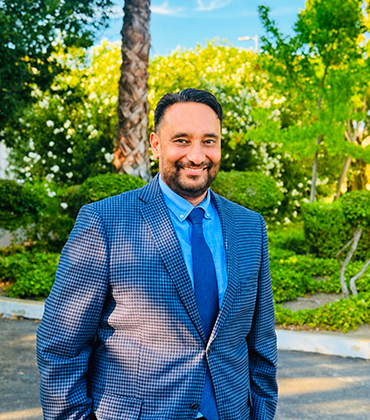 Dr. Dalvir Pannu, Founder & CEO, Pannu Dental Group; Fellow, American Academy of Implant Dentistry; Master, International Congress of Oral Implantologists
When implant treatment can shape a patient’s function, confidence, and quality of life for years, choosing the right practice requires more than finding one that places implants. It requires a team that can coordinate every clinical decision, apply advanced technology with experienced judgment, and guide the patient through the entire treatment journey. Pannu Dental Group is built around that responsibility.
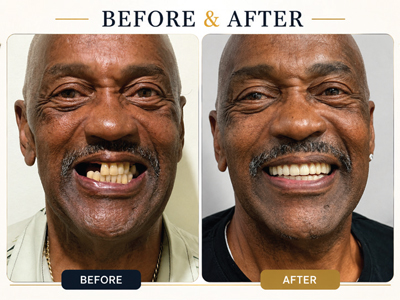
For instance, Greg had spent years with deteriorating teeth. Chewing had become difficult, photographs were avoided, and confidence had faded. Treatment offered an opportunity to restore not only oral function, but also the confidence that had been lost along the way.
CBCT 3D imaging and digital planning helped the team evaluate the patient’s anatomy and develop a full-arch implant plan. During surgery, the Yomi Robotic System provided real-time guidance to help execute that plan with precision.
Pannu Dental Group is San Jose’s first Yomi robot-assisted implant surgery center and utilizes the first and only FDA-cleared robotic technology for dental implant surgery. But the practice emphasizes that robotics supports, rather than replaces, clinical judgment. In appropriate cases, robotic guidance can support implant placement through smaller surgical openings, potentially reducing tissue disruption, swelling, and postoperative discomfort compared with a traditional surgical approach involving a larger flap.
“Robotics gives us another level of precision, but the purpose is ultimately patient care: thoughtful planning, smaller surgical access when appropriate, and a more comfortable healing experience,” says Dr. Dalvir Pannu, Founder & CEO, Pannu Dental Group; Fellow, American Academy of Implant Dentistry; Master, International Congress of Oral Implantologists.
Following treatment, the patient could eat comfortably, smile for photographs, and participate more confidently in everyday life. For Pannu Dental Group, the outcome illustrates the broader purpose of technology: using greater precision in service of a better patient experience and a lasting clinical result.
Pannu Dental Group was named Medical Care Review’s Dental Implant Surgery Practice of the Year 2026, recognizing its combination of robot-assisted implant technology, comprehensive dentistry, and patient-centered care.
Coordinating the Complete Result
For complex implant treatment, placing the implants is only part of the process. The health of the gums and supporting bone, the position of the teeth, the design of the restoration, facial proportions, esthetics, and long-term maintenance can all influence the final result.
That is why Pannu Dental Group approaches implant treatment as part of comprehensive dental care rather than as an isolated procedure.
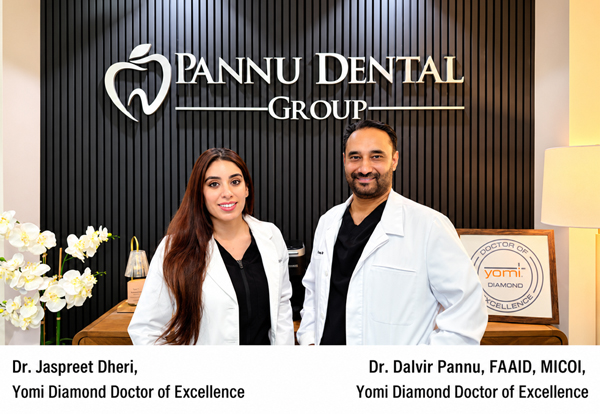 Established in 2003, the practice provides family and children’s dentistry, braces and Invisalign, restorative and cosmetic dentistry—including complete smile makeovers with porcelain veneers—endodontics, periodontics, and advanced implant treatment.
Having these services within one group allows doctors to coordinate care from diagnosis through final restoration. For patients undergoing complex treatment, that can mean fewer handoffs between offices and a team with a broader understanding of the patient’s dental needs.
The practice serves patients in San Jose, Cupertino, Fremont, and Sunnyvale, while also welcoming patients who travel to the Bay Area for complex implant and restorative treatment.
Comfort is Part of the Treatment
 Dr. Dalvir Pannu and Dr. Jaspreet Dheri each hold California Moderate Sedation Permits and offer IV moderate sedation to appropriate patients with significant dental apprehension. Commonly known as IV conscious or “twilight” sedation, this approach is designed to help patients remain comfortable and relaxed while maintaining responsiveness during treatment. Oral conscious sedation is also available for patients who prefer a relaxed treatment experience without IV sedation.
For patients with dental anxiety or phobia, comfort is an important part of the treatment experience. Pannu Dental Group offers several approaches that can be tailored to a patient’s needs and level of apprehension.
-
Robotics gives us another level of precision, but the purpose is ultimately patient care: thoughtful planning, smaller surgical access when appropriate, and a more comfortable healing experience.
Sedation care is supported by careful patient selection, continuous clinical supervision, and physiologic monitoring throughout treatment.
For patients who prefer to remain fully awake with local anesthesia, The Wand® uses computer-controlled anesthetic delivery through a lightweight handpiece, regulating the flow and pressure of anesthetic for a more controlled alternative to a traditional syringe.
Patient education and minimally invasive techniques, when appropriate, further support the practice’s approach to physical and emotional comfort.
Innovation with Purpose
The technology at Pannu Dental Group is extensive, but the practice’s philosophy is straightforward: technology should serve a clinical purpose.
Digital imaging and planning can provide greater information before treatment begins. Robotic guidance can help clinicians translate a digital plan into surgical execution. Digital scanning and photogrammetry can support the design and fabrication of restorations. In-house laboratory capabilities can facilitate communication between the clinical and technical teams.
The practice also places a strong emphasis on continuing education, with its doctors regularly undertaking advanced training in implant dentistry, restorative care, sedation, and other areas of clinical practice.
“Technology alone does not create exceptional care,” adds Pannu. “It is the thoughtful application of technology by experienced professionals who care about their patients.”
That combination of technology and clinical expertise has also been recognized through the practice’s 2025 Yomi Center of Excellence Award and Yomi Diamond Provider recognition. Dr. Dalvir Pannu is a Fellow of the American Academy of Implant Dentistry and a Master of the International Congress of Oral Implantologists, reflecting his advanced training and focus on implant dentistry.Dr. Jaspreet Dheri, also a Yomi Diamond Doctor of Excellence, brings the same commitment to advanced clinical care.
More than an Implant Practice
What ultimately distinguishes Pannu Dental Group is not a single piece of equipment or one treatment modality, but the way multiple capabilities are brought together.
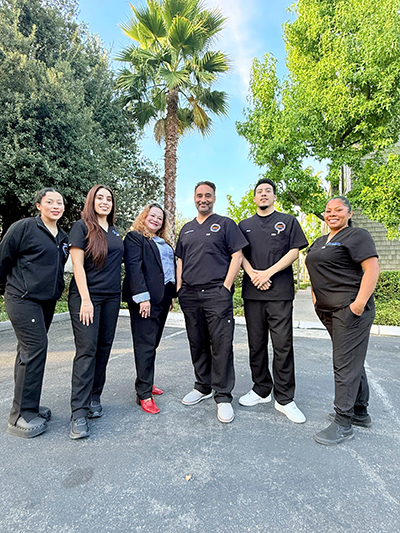 From the first consultation through treatment, restoration, and follow-up, the practice’s team—including receptionists, dental assistants, hygienists, associate doctors, and specialists— plays a role in creating a coordinated experience. Each member of the team contributes to the continuity of care, helping patients feel supported throughout the process. Combined with clinical expertise and advanced technology, that team-based approach is central to the way Pannu Dental Group delivers care.
Several capabilities contribute to that approach
• Robot-Assisted Implant Expertise—Yomi robotic technology, CBCT 3D imaging, digital implant planning, and laser technology support treatment ranging from single-tooth implants to complex full-arch cases, including All-on-X treatment, with minimally invasive access when appropriate.
• Full-Arch Digital Precision—iCam 4D photogrammetry records the spatial relationship of multiple implants, while intraoral scanning and integrated digital workflows support prosthetic and smile design.
• Comprehensive Care under One Roof—Family and children’s dentistry, braces and Invisalign, endodontics, periodontics, restorative dentistry, implant care, and complete smile makeovers with porcelain veneers are coordinated within the group.
• In-House Customized Smiles—On-site zirconia milling, 3D printing, and a prosthodontic laboratory with a dedicated technician allow closer collaboration between doctors and the laboratory team, supporting customized restorations designed around function, esthetics, and facial harmony.
Together, these capabilities allow diagnosis, surgery, restoration, and ongoing dental care to be coordinated as part of one continuous process.
For patients, the value is not simply access to a robot, digital imaging, or an in-house laboratory. It is how those resources are brought together with experienced clinical judgment and a team focused on the individual patient.
That is ultimately the philosophy behind Pannu Dental Group: robotic precision where it can help, human judgment where it matters, and coordinated care throughout the journey.
Dental Implant Surgery Practices Info
Q1
What Is Dental Implant Surgery Practice?
A dental implant surgery practice provides treatment for missing or failing teeth by means of implants and at the same time takes charge of the planning, the surgery, the restoration and the follow-up needed to achieve a functional outcome. Treatment can involve either the replacement of a single tooth or more complicated care for an entire arch. Nowadays, care can combine the use of CBCT 3D imaging, digital planning, surgical guidance, scanning and restorative design in order to evaluate the anatomy and guide the treatment. It is also possible for a dental implant surgery practice to incorporate related dental specialties when the patient's wider oral health needs have an impact on the treatment.
Q2
How Does Pannu Dental Group Approach Implant Treatment?
Pannu Dental Group combines robot-assisted implant surgery with comprehensive dental care. Its clinicians use CBCT 3D imaging and digital planning, while the Yomi Robotic System provides real-time guidance during appropriate implant procedures. The practice is San Jose’s first Yomi robot-assisted implant surgery center and uses FDA-cleared robotic technology for dental implant surgery. Its broader services include periodontics, endodontics, restorative and cosmetic dentistry, orthodontics, and family and children’s dentistry, allowing care to be coordinated within one group. This integrated model supports a Dental Implant Surgery Practice from diagnosis through restoration.
Q3
What Should Patients Look For In Dental Implant Surgery Practice?
Important factors include how well the treatment is planned, whether the practice can treat the gums and bone around the implant, how the final restoration is made, and what follow-up care is available after surgery. Technology is useful when it serves a clear clinical purpose. A Dental Implant Surgery Practice should explain the treatment options, recovery time, and possible risks in language patients can understand. For patients with dental anxiety, access to suitable sedation and close monitoring can also make the treatment easier.
Q4
How Can Digital Technology Support Implant Surgery?
Digital tools can connect stages of implant treatment that were once handled separately. CBCT imaging can provide three-dimensional information about anatomy, digital planning can help determine implant positioning, and robotic guidance can assist clinicians in translating a surgical plan into execution. In restorative stages, intraoral scanning and photogrammetry can support the design of teeth and implant-supported restorations. These capabilities can make a Dental Implant Surgery Practice more coordinated, especially when surgical and restorative decisions need to work together.
Q5
How Does Pannu Dental Group Coordinate Care Beyond Surgery?
Pannu Dental Group manages every step of implant treatment, from surgery to restoration, ongoing care, and other dental needs. The practice has its own zirconia milling, 3D printing, and a prosthodontic lab with a dedicated technician. For full-arch cases, they use iCam 4D photogrammetry and digital scanning. The team includes dentists, hygienists, assistants, and Patient Care & Financial Coordinators—Guiding Your Care, Simplifying Your Payment Options. By keeping everything from diagnosis to follow-up in one place, Pannu Dental Group reduces handoffs and delivers more consistent care.
Q6
What Role Does Patient Comfort Play In Implant Care?
Comfort is part of the clinical process, particularly for patients experiencing dental anxiety or phobia. Pannu Dental Group offers IV moderate sedation for appropriate patients, with care supported by patient selection, continuous supervision, and physiologic monitoring. Oral conscious sedation is also available, while The Wand computer-controlled anesthetic delivery system provides another option for patients who prefer to remain fully awake under local anesthesia. Alongside these measures, a Dental Implant Surgery Practice can use patient education and minimally invasive techniques, when appropriate, to support a manageable treatment and recovery experience.
