Thank you for Subscribing to Medical Care Review Weekly Brief


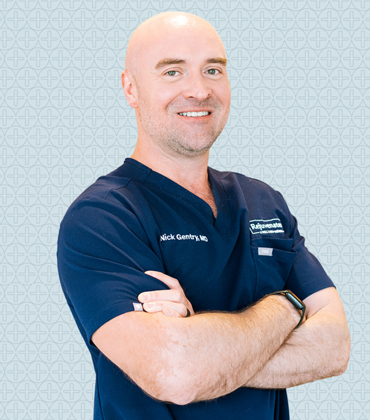 Dr. Nick Gentry, Medical Director
Since 2019, Rejuvenated Medical Spa has built its practice around providing a personalized patient experience, supported by a highly trained team that genuinely cares about each patient’s outcome. The clinic was the first in Northwest Arkansas to combine functional medicine with aesthetic services, giving its team time to refine processes and expertise while strengthening the patient experience.
“It is our top priority to listen to every patient’s story so that we can provide the highest level of care,” says Dr. Nick Gentry, Medical Director.
That emphasis guides the clinic's approach to its treatment menu. Rather than presenting patients with too many options at once, Rejuvenated Medical Spa uses a layered approach. A first visit may address hormone balance and a medical-grade skin care routine, followed later by weight-loss support or peptide therapy as goals change.
Frequent check-ins allow treatment plans to evolve. The clinic’s team works to identify what matters most to each patient, then adjusts care as needs change. Its services span hormone care and medical weight loss, as well as injectables, laser treatments and regenerative therapies.
Care That Adapts Over Time
Dr. Gentry’s background as a board-certified emergency physician adds clinical judgment. More than a decade in emergency medicine has strengthened his procedural skills and quick decision-making while exposing him to a wide range of patient concerns. Those skills translate directly to procedures, helping patients feel confident that the clinic cares for them. His daily on-site presence gives the team access to his guidance.
That experience also shapes how Rejuvenated Medical Spa evaluates new regenerative treatments. The clinic stays informed through conferences and professional organizations while remaining connected with colleagues and key opinion leaders. New procedures are evaluated using two basic questions: whether they are safe for patients and whether credible clinical evidence shows they work.
The distinction matters in a field where laboratory promise does not always translate into meaningful clinical results. Patient safety remains the first priority, even as the clinic evaluates newer options such as stem cell treatments and PRP hair restoration. Its regenerative offering also includes intimate wellness therapies such as the O-Shot and P-Shot.
Natural Results, Not a Different Face
The same philosophy shapes aesthetic care. Many of its patients are more mature than those typically associated with a medical spa, as the clinic also provides functional medicine and bioidentical hormone replacement. They are not looking for the overdone appearance often seen on social media. Providers focus on anatomy and the aging process, helping patients look and feel five to seven years younger without making them look like someone else. This also reinforces the broader patient experience, in which treatment is guided by personal goals rather than trends.
A recent case shows how that approach can reach beyond appearance. One patient came for weight loss while living with uncontrolled diabetes and was unable to tolerate metformin or GLP-1 injectables. A closer look at his lifestyle showed that his current regimen was not controlling glucose and was contributing to weight gain.
The team educated him about his health conditions and offered an alternative treatment. His diabetes came under control for the first time, and he began losing weight, showing how a deeper understanding of the patient can change the direction of care.
Dr. Gentry and his wife, Jill, continue to run the day-to-day business of Rejuvenated Med Spa and Maverick Men's Health, a men's health-focused clinic, preserving the family feel that has shaped the practice. Both clinics joined the Well Labs+ Medspa network of spas in 2025, where Dr. Gentry now leads the Well Labs+ clinical advisory committee as the National Wellness Clinical Director and Clinical Advisory Committee Chair. This reflects his ongoing commitment to expanding education resources for providers and advancing regenerative medicine.
Attentive listening and experienced clinical judgment keep care personal even as the clinic’s resources grow. Rejuvenated Medical Spa can adjust treatments over time while carefully evaluating new therapies, giving patients a clearer path toward better health or natural-looking aesthetic results.
What Defines a Regenerative & Aesthetic Medicine Clinic?
A Regenerative & Aesthetic Medicine Clinic brings medical wellness, restorative therapies and appearance-focused care into a more integrated treatment model. Rather than viewing internal health and outward appearance as entirely separate concerns, this approach may consider factors such as hormonal balance, tissue health, weight management and skin quality when determining appropriate care. A Regenerative & Aesthetic Medicine Clinic can therefore support patients seeking coordinated options for wellness and aesthetic goals while maintaining the clinical oversight needed for individualized treatment planning.
How Does Rejuvenated Medical Spa Combine Regenerative and Aesthetic Care?
Rejuvenated Medical Spa applies the Regenerative & Aesthetic Medicine Clinic model through functional, regenerative and aesthetic services designed to address both wellness and appearance. Founded by Gloria Vazquez, the practice was created around a functional medicine approach that combines internal hormone-optimized wellness with aesthetic care. Its medical director, Dr. Nick Gentry, is a board-certified emergency physician with experience in functional, aesthetic and regenerative medicine. This combination allows the practice to connect wellness-focused planning with aesthetic services within one clinical setting.
What Services Can a Regenerative & Aesthetic Medicine Clinic Include?
The services offered by a Regenerative & Aesthetic Medicine Clinic vary according to its clinical model and professional expertise. They may include regenerative therapies, hormone-related care, medical weight management, injectable treatments and skin-focused procedures. At Rejuvenated Medical Spa, documented services include hormone balance therapy, female intimate rejuvenation, medical weight loss, injectable treatments, facials, chemical peels and laser treatments. The value of this broader service model lies in evaluating which options fit a patient’s needs rather than treating wellness and aesthetics as disconnected areas of care.
Why Does Personalized Planning Matter in Regenerative and Aesthetic Care?
A Regenerative & Aesthetic Medicine Clinic should recognize that patients can have different goals, histories and responses to treatment. Personalized planning can help connect recommended services with individual priorities instead of relying on a standard treatment sequence. Clinical evaluation, clear discussions and appropriate monitoring are especially important when care may involve both wellness-related and aesthetic considerations. This approach can also help establish realistic expectations, explain the intended role of each treatment and create greater continuity as patient needs change over time.
How Does Rejuvenated Medical Spa Support Internal Wellness Alongside Aesthetic Goals?
Rejuvenated Medical Spa demonstrates how a Regenerative & Aesthetic Medicine Clinic can approach wellness and aesthetics as complementary parts of care. Its service model includes hormone balance therapy and medical weight loss alongside regenerative and aesthetic treatments. The practice also combines these services with procedures such as injectable treatments, chemical peels and laser treatments, giving patients access to multiple forms of care through a single practice. The underlying approach is to support internal balance while also addressing external concerns through clinically guided treatment options.
What Should Patients Consider When Evaluating a Regenerative & Aesthetic Medicine Clinic?
When evaluating a Regenerative & Aesthetic Medicine Clinic, patients should consider the qualifications of the medical team, the scope of services and how treatment decisions are made. It is important to understand whether care is based on an individual assessment, how potential benefits and limitations are explained and what follow-up may be appropriate. Patients may also benefit from practices that clearly distinguish medical evaluation from aesthetic preference while helping them understand how different treatments fit their broader goals. A well-structured care experience should support informed decision-making rather than unnecessary or one-size-fits-all treatment.
