
Top Regenerative and Aesthetic Medicine Clinics 2026

Regenerative and aesthetic medicine clinics help patients improve wellness and appearance through specialized clinical treatments. With a focus on tissue repair, treatment personalization, procedural safety and natural-looking results, they support healthier outcomes and more confident aesthetic care.

Rejuvenated Medical Spa: Personalized Care Across Regenerative and Aesthetic Medicine
Rejuvenated Medical Spa
Personalized Care Across Regenerative and Aesthetic Medicine
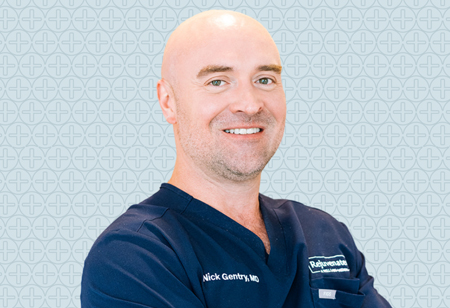
Dr. Nick Gentry, Medical Director
Since 2019, Rejuvenated Medical Spa has built its practice around providing a personalized patient experience, supported by a highly trained team that genuinely cares about each patient’s outcome. The clinic was the first in Northwest Arkansas to combine functional medicine with aesthetic services, giving its team time to refine processes and expertise while strengthening the patient experience.

Regenerative and Aesthetic Medicine Clinics: Where Science Meets Your Confidence

Regenerative and aesthetic medicine clinics are changing the way you approach skin health, appearance and overall confidence by offering personalized care that focuses on individual goals rather than one-size-fits-all treatments. Many clinics now combine non-surgical procedures with regenerative therapies to support natural-looking results, shorter recovery periods and tailored treatment plans. This patient-focused approach is helping people make informed decisions about their care while improving access to solutions that align with their lifestyle, comfort and long-term wellness goals. 

What Responsible Regenerative Care Looks Like
ReCELLebrate
What Responsible Regenerative Care Looks Like
Dr. Jeff Gross, Stem Cell Specialist

Fighting Misinformation in Regenerative Medicine

Regenerative and longevity medicine is advancing rapidly, but many patients still struggle to access it in a clear, trustworthy manner. In my work, a large part of the job involves education, because confusion and outdated narratives often shape decisions more than science does, and I seek to correct that.

Regenerative Medicine Clinics Face a Cost Question Beyond Treatment Prices

Wednesday, October 14, 2026

A regenerative medicine clinic can face a difficult pricing decision even when demand for its services appears strong. The treatment price is only one part of the financial picture. Equipment, specialist staffing and the time required for patient assessment can affect how much revenue a clinic can generate from each appointment. That makes the economics of regenerative care different from simply adding another service to an existing medical practice. The issue becomes more pronounced when treatments require more time from clinicians. A procedure that occupies a treatment room or specialist for a substantial period can limit the number of patients a clinic can see. Clinics have to consider capacity alongside the price attached to a procedure. Aesthetic medicine brings a different commercial calculation. Patients may compare treatments based on price, expected appearance and the frequency of follow-up visits. Regenerative medicine can involve a longer decision process because patients may want more information before committing to treatment. The difference affects how clinics structure consultations and allocate staff time. The result is a growing need for clinics to understand where their revenue is actually being generated. A treatment with a higher headline price does not necessarily produce better economics if it requires significantly more clinical time or creates a lengthy consultation process. Technology can affect that equation, although its role depends on how it fits into the clinic. Digital scheduling can reduce administrative work around appointments. Electronic records can make patient information easier to access during follow-up. Automated communication can reduce some of the manual work involved in keeping patients informed about appointments and aftercare. None of these changes removes the underlying cost question. A clinic still has to determine whether a new treatment fits its staffing model and available capacity. Adding services without examining those constraints can create pressure elsewhere in the practice. Aesthetic clinics may have more flexibility when services can be scheduled around predictable appointment times. Regenerative care may require a different allocation of clinical resources. The distinction matters for practices that offer both categories and need to decide how much space, staff time and equipment each service should receive. Pricing decisions also become harder when patients have difficulty comparing treatments. Clinics may need to spend more time explaining what a procedure involves and what patients should reasonably expect. That consultation time has a financial cost even when it does not appear on the treatment invoice. For clinic owners, the more useful question may be whether a treatment can support its full delivery model, not simply whether patients are willing to pay for it. Revenue per procedure tells only part of the story. Capacity, staffing and consultation time can determine whether a service is commercially workable.

Patient Decisions Are Changing the Role of the Clinic Consultation

Wednesday, October 14, 2026

A patient considering an aesthetic procedure may already have a fairly clear idea of what they want. Regenerative medicine can lead to a different kind of conversation. Patients may have questions about whether a treatment is suitable, what they can realistically expect and what the process involves. Those questions can make the path from an initial inquiry to a treatment decision longer. That puts the consultation at the center of the clinic experience. The first appointment is more than a step before treatment. It gives the patient a chance to understand what is being offered and gives the clinician an opportunity to understand what the patient expects. Aesthetic medicine brings its own set of considerations. Patients can arrive with a specific result in mind, sometimes influenced by images or information they have seen elsewhere. The clinician may need to determine whether the requested procedure fits those expectations. That conversation can also influence whether the patient feels comfortable returning to the clinic. Regenerative medicine can be harder for patients to assess. Some of the terminology may be unfamiliar, and expectations can differ depending on the treatment. Clinics have to explain the procedure clearly without creating expectations that the treatment cannot support. The quality of that conversation matters before any decision is made. Communication also continues after the procedure. Follow-up can bring new questions, especially when patients have to wait before assessing results. Delayed responses or unclear instructions can add pressure for clinic staff and leave patients uncertain about what they should do next. The flow of information between appointments is worth looking at closely. A clinic may have strong clinical expertise but still create frustration if patients have trouble reaching the right person or cannot easily find information they received during their consultation. Scheduling can affect the decision as well. A long gap between consultation and treatment gives patients more time to reconsider. Moving too quickly can leave someone feeling that they did not have enough time to understand the procedure or ask questions. Clinics offering both regenerative and aesthetic services have to account for these different decision patterns. Someone arriving for an aesthetic treatment may already know which procedure they are considering. A patient exploring regenerative care may come with broader questions and need more time with the clinician before deciding. The difference also affects how clinics look at patient activity. Inquiry numbers and completed treatments tell only part of the story. Tracking consultation attendance, follow-up communication, and the time between inquiry and treatment can reveal where patients are losing interest or need more information. Consistency matters too. Conflicting answers from different members of the clinic can make it harder for patients to understand what a treatment can realistically achieve. Good internal communication may not be visible to the patient, but its effects are. The consultation is becoming a more important part of the clinic model, particularly for regenerative medicine. Giving patients clear information before treatment can help them make a more informed decision about whether to proceed, wait or consider another option. It can also help clinics use their clinical time more effectively without turning the consultation into a sales conversation.

Adding Regenerative Services Can Test How Well a Clinic Is Set Up to Deliver Them

Wednesday, October 14, 2026

Adding a regenerative treatment to an existing clinic can seem straightforward until the practical details start to surface. A new service can affect how patients are brought in, who handles each part of the process and how treatment rooms are used. Those changes can reveal weaknesses in a clinic’s existing workflow before the first patient is treated. Handoffs are one area where problems can emerge. A patient may start with an inquiry, move to a consultation and then see the clinician providing the treatment. Information collected at each stage needs to follow the patient through that process. If it does not, staff may have to track down details or ask patients to repeat information. Staff preparation can present another hurdle. Employees who are familiar with the clinic’s existing services may not automatically know what their role should be when a new procedure is introduced. The training required will depend on the treatment and who is involved, making it important to work out responsibilities before the service is added. Space can be just as limiting. Treatment rooms may already be heavily booked with aesthetic appointments. Adding regenerative care can put those services in competition for the same rooms and appointment slots, even when there is enough patient interest in both. Patient records can create similar friction. Information from consultations and follow-up conversations needs to remain accessible when a patient returns. If records are scattered across different systems or processes, staff may spend time piecing together what has already been discussed. Administrative work can change as the service mix grows. A regenerative treatment may require a different type of consultation or follow-up schedule from an existing aesthetic procedure. Even small differences can cause confusion when staff are trying to fit every patient into the same process. Technology can make some of this easier, but adding software does not fix a workflow that has not been thought through. Scheduling tools need to match the way appointments are actually handled. Patient records need to give clinicians the information they need. Communication systems should make it easier for staff to keep track of patients, not create another system they have to monitor. Patient intake deserves a closer look. A form created for aesthetic services may not gather everything a clinician needs for a regenerative consultation. If the form is not updated when the new service is introduced, staff may end up collecting missing information manually during the appointment. Clinic leaders also have to consider how much change their teams can absorb at once. A new service may attract interest but still put pressure on a clinic if existing staff have little spare capacity. In some cases, slowing down an expansion may be preferable to adding a service that creates ongoing scheduling problems or extra administrative work. The treatment itself is only one part of what patients experience. They also interact with the clinic through scheduling, intake, consultation and follow-up. A problem in any of these stages can affect the overall experience even if the treatment is delivered as planned. For clinics offering regenerative and aesthetic medicine, adding a new service is ultimately a test of how well the existing operation can accommodate it. The question is not simply whether the clinic can offer another procedure. It is whether staff, space and processes can support it without creating avoidable delays or putting extra pressure on the team.

Regenerative and Aesthetic Medicine Clinics Info

Q1
What Do Top Regenerative & Aesthetic Medicine Clinics Do?
Top Regenerative & Aesthetic Medicine Clinics provide medical care and aesthetic treatments designed to support appearance, tissue health, skin quality and overall wellness. Their services may address concerns ranging from visible signs of aging and skin changes to hair loss, body composition and recovery. The category combines aesthetic medicine with regenerative approaches, with treatment decisions typically based on an individual's goals, medical history, physical condition and suitability for specific procedures.
Q2
What Services Are Commonly Offered by Regenerative and Aesthetic Medicine Clinics?
Regenerative and aesthetic medicine services can include injectable treatments, laser and energy-based procedures, skin rejuvenation, body contouring, hair restoration and regenerative therapies. The scope varies by clinic, patient needs and medical oversight. Top Regenerative & Aesthetic Medicine Clinics may also provide treatment plans that combine multiple services when appropriate, while emphasizing consultation, informed decision-making and realistic expectations around outcomes, recovery and ongoing care.
Q3
Why Is Demand for Regenerative and Aesthetic Medicine Growing?
Demand is growing as more people seek non-surgical and minimally invasive options for managing age-related changes, improving appearance and addressing wellness concerns. Greater familiarity with aesthetic procedures, longer active lifestyles and interest in personalized care also contribute to the category's expansion. Top Regenerative & Aesthetic Medicine Clinics increasingly serve patients who want treatments that fit different goals and recovery preferences, making individualized assessment an important part of care.
Q4
How Are Top Regenerative & Aesthetic Medicine Clinics Evaluated?
Quality can be assessed through clinical expertise, practitioner qualifications, patient safety practices, treatment planning and the range of appropriate options available. Strong regenerative medicine clinics also establish clear expectations about what a procedure can and cannot achieve. Patients should consider whether a clinic uses thorough consultations, explains potential risks and recovery requirements and provides care that reflects individual needs rather than relying on a one-size-fits-all treatment approach.
Q5
What Value Can Regenerative and Aesthetic Medicine Provide to Patients?
For patients, the value often extends beyond visible cosmetic changes. Aesthetic and regenerative care can help individuals address concerns that affect comfort, confidence or quality of life, while giving them access to options that may involve less downtime than surgical procedures. Top Regenerative & Aesthetic Medicine Clinics create the greatest value when treatment choices are medically appropriate, expectations are realistic and patient safety remains central to every stage of care.
Q6
What Role Do Innovation and Medical Expertise Play in This Category?
Innovation expands the treatment options available, but technology alone does not define quality. New devices, techniques and regenerative approaches require knowledgeable clinical judgment and careful patient selection. Top Regenerative & Aesthetic Medicine Clinics combine medical expertise with a thoughtful care model, using consultation and ongoing evaluation to determine whether a treatment is appropriate. This balance helps ensure that innovation supports meaningful outcomes rather than becoming an end in itself.