
Thank you for Subscribing to Medical Care Review Weekly Brief


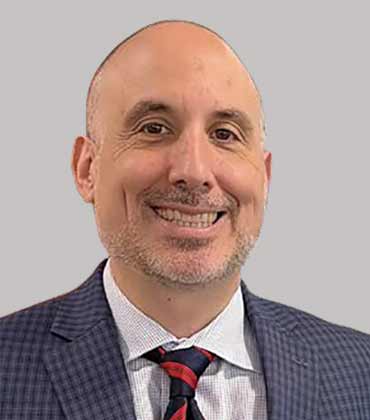 Dr. Salvatore G. Savatta, MD, Board-Certified Psychiatrist and Forensic Psychiatrist
For one adult patient, the usual treatment path had reached its limits. Months of medication and psychotherapy had done little to ease treatment-resistant depression. Work had become harder to manage, relationships had suffered and daily routines felt increasingly difficult.
Rather than moving to another medication, Labyrinth Psychiatry Group stepped back to answer a more important question: Why hadn’t previous treatments worked?
That question shaped the patient’s care. The team began with a comprehensive biopsychosocial assessment, looking beyond symptoms to understand medical history, psychological health, social factors and previous treatment outcomes. The evaluation showed that Transcranial Magnetic Stimulation (TMS) offered the most appropriate next step. After completing treatment, the patient’s mood, energy and daily functioning improved significantly, making it possible to return to work, reconnect with loved ones and resume everyday activities.
That same thinking guides every patient who comes to Labyrinth Psychiatry Group. The practice does not rely on a standard treatment pathway. Instead, psychiatrists and licensed mental health professionals develop care plans around each person’s clinical needs, treatment history and long-term goals, combining established psychiatric care with advanced therapies when appropriate.
“Every patient comes to us with a unique history. Our biopsychosocial assessment helps us understand the full picture, not just the diagnosis. This comprehensive approach allows us to develop a personalized treatment plan that addresses each patient’s specific needs and long-term goals,” says Dr. Salvatore G. Savatta.
Treating the Person, Not Just the Diagnosis
At Labyrinth Psychiatry Group, psychiatric care is structured and regularly reviewed. Providers monitor each patient’s progress and adjust medications, psychotherapy modality, or other interventions as priorities, goals and treatment responses change. Patients remain active participants throughout the process, with treatment decisions explained openly and developed collaboratively rather than presented as predetermined next steps. Appointments are available both in-person and via secure telehealth, allowing patients to maintain consistent clinical contact without disrupting work or family obligations.
When medication management and psychotherapy do not provide adequate improvement, Labyrinth Psychiatry Group considers alternative treatment options. TMS, an FDA-cleared, non-invasive therapy for depression and obsessive-compulsive disorders, is recommended only after a thorough psychiatric evaluation of previous medication trials, psychotherapy outcomes, and the patient’s overall clinical presentation. It uses targeted magnetic pulses to stimulate cortical regions involved in mood regulation and is administered without anesthesia. Patients remain awake throughout the sessions and can resume normal activity immediately afterward.
Recovery through Partnership
Sustained recovery in psychiatry depends on ongoing dialogue. Patients consistently appreciate the time Labyrinth Psychiatry Group’s multidisciplinary team devotes to listening to their concerns, providing the clinical reasoning behind treatment decisions and involving them at each stage of care. Over time, this collaborative approach fosters therapeutic relationships that bring continuity to care.
None of this happens by accident. Personalized, evidence-based care is paired with genuine compassion across a broad spectrum of services, including psychiatry, psychotherapy, medication management, and advanced therapies such as TMS and Spravato, all within one practice. Patients with multifaceted psychiatric diagnoses benefit from this coordinated approach instead of having to navigate different providers throughout the time they heal.
For Labyrinth Psychiatry Group, meaningful mental healthcare is ultimately reflected in what patients regain, whether renewing everyday routines, reconnecting with loved ones, or achieving an enhanced quality of life. As the practice expands across Edison, New Jersey, it remains committed to delivering dedicated, holistic support, grounded in the belief that every recovery begins with picturing each unique history before addressing the diagnosis.
What Is a Psychiatric and TMS Treatment Practice?
A Psychiatric and TMS Treatment Practice combines conventional psychiatric care with Transcranial Magnetic Stimulation when clinically appropriate. Services can include psychiatric evaluation, medication management, psychotherapy and advanced treatment options. The aim is to understand the patient’s symptoms, treatment history and broader circumstances before determining the next step. A Psychiatric and TMS Treatment Practice may be particularly relevant when standard approaches have not provided sufficient improvement and a more detailed clinical evaluation is needed.
How Does Labyrinth Psychiatry Group Approach Psychiatric and TMS Treatment?
Labyrinth Psychiatry Group begins with a comprehensive biopsychosocial assessment rather than moving directly toward a specific intervention. The evaluation considers medical history, psychological health, social factors and previous treatment outcomes. Its providers then develop care plans around each patient’s clinical needs, treatment history and longer-term goals. This approach allows the practice to combine psychiatric care, psychotherapy, medication management and advanced therapies within one coordinated setting.
What Services Are Included in Psychiatric and TMS Treatment Practice Care?
Care can extend beyond TMS itself. A Psychiatric and TMS Treatment Practice may provide psychiatric assessments, medication management, psychotherapy, telehealth and treatment options such as TMS or esketamine. At Labyrinth Psychiatry Group, services include care for depression and anxiety, ADHD, bipolar disorder, OCD and PTSD, alongside psychotherapy, TMS therapy and esketamine. The practice also provides both in-person and telehealth appointments.
When Is TMS Considered in Psychiatric Care?
TMS is generally considered after a clinician has reviewed previous medication trials, psychotherapy outcomes and the patient’s overall clinical presentation. In a Psychiatric and TMS Treatment Practice, the decision is therefore part of a broader evaluation rather than an automatic next step. Labyrinth Psychiatry Group describes TMS as a non-invasive treatment option for depression and obsessive-compulsive disorder. Sessions use targeted magnetic pulses, do not require anesthesia and allow patients to remain awake during treatment.
How Does Labyrinth Psychiatry Group Support Continuity of Care?
Labyrinth Psychiatry Group connects TMS and other advanced interventions with continuing psychiatric care. Providers monitor progress and can adjust medication, psychotherapy or other interventions as treatment needs change. The practice also offers secure telehealth, helping patients maintain clinical contact alongside in-office services. Its multidisciplinary team includes psychiatrists, psychiatric mental health nurse practitioners, clinical social workers and therapists, supporting a broader care plan rather than treating one intervention in isolation.
What Should Patients Consider When Choosing Psychiatric and TMS Treatment Practice Services?
Patients can consider whether an Psychiatric and TMS Treatment Practice evaluates treatment history, explains available options and connects advanced therapies with ongoing psychiatric care. Clinical assessment, appropriate treatment selection, continuity, accessibility and communication are important factors. Labyrinth Psychiatry Group’s model places evaluation before treatment selection, with TMS, SPRAVATO, medication, therapy and telehealth considered according to individual clinical circumstances.
