
Top Psychiatric And Tms Treatment Practices 2026 | Medical Care Review

Top Psychiatric and TMS Treatment Practices 2026

Psychiatric and TMS treatment practices help patients manage mental health conditions through clinical evaluation and noninvasive brain stimulation therapy. With a focus on treatment safety, symptom tracking, care personalization and patient support, they support steadier well-being and more reliable therapeutic outcomes.

Labyrinth Psychiatry Group: Rewriting the Playbook for Personalized Psychiatric Care
Labyrinth Psychiatry Group
Rewriting the Playbook for Personalized Psychiatric Care
Dr. Salvatore G. Savatta, MD, Board-Certified Psychiatrist and Forensic Psychiatrist
For one adult patient, the usual treatment path had reached its limits. Months of medication and psychotherapy had done little to ease treatment-resistant depression. Work had become harder to manage, relationships had suffered and daily routines felt increasingly difficult.

Psychiatric and TMS Treatment Redefining Mental Wellness Care

Across many care settings, Psychiatric and TMS Treatment is becoming part of a more connected way of supporting mental health. If you are experiencing depression, anxiety, or symptoms that have not improved with standard care, you may encounter treatment plans that integrate various methods rather than relying on a single approach. Along with psychiatric care like medication support and counseling, non-invasive brain stimulation is also being used in a structured way to help ease symptoms and support emotional stability.

Shortage of Psychiatric Services in the United States
Granville Health System
Shortage of Psychiatric Services in the United States
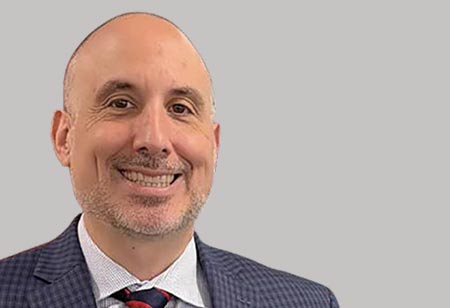
Stephan Baum, Medical Director, Behavioral Health Services

The United States faces a persistent and deepening shortage of psychiatric services that affects adults and children alike. Prevalence of need among youth is high: about one in six U.S. children and adolescents experience a diagnosable mental, emotional, or behavioral disorder, and many conditions begin by mid-adolescence. Only roughly half of young people with these disorders receive needed treatment.

Psychiatric and TMS Treatment Practices Info

Q1
What Does A Psychiatric And TMS Treatment Practice Provide?
A psychiatric and TMS treatment practice combines conventional mental health care with advanced treatment options for people with a range of psychiatric conditions. Top Psychiatric and TMS Treatment Practice settings may provide psychiatric evaluations, medication management, psychotherapy, ongoing clinical monitoring and Transcranial Magnetic Stimulation when clinically appropriate. The care model often connects assessment, treatment planning and follow-up so that treatment can change as symptoms, goals and responses change.
Q2
Which Practice Was Recognized As A Top Psychiatric And TMS Treatment Practice In 2026?
Medical Care Review recognized Labyrinth Psychiatry Group as a Top Psychiatric and TMS Treatment Practice in 2026. The practice is led by Dr. Salvatore G. Savatta, MD, a board-certified psychiatrist and forensic psychiatrist. Its approach centers on comprehensive assessment and individualized treatment planning, with psychiatric care, psychotherapy, medication management and advanced treatments available within one practice.
Q3
Why Is Demand For Psychiatric And TMS Treatment Practices Growing?
Demand is influenced by the need for more individualized mental healthcare, particularly when conventional treatment does not provide adequate improvement. Top Psychiatric and TMS Treatment Practice models can address this need by combining ongoing psychiatric care with additional treatment pathways where appropriate. Access also matters. Telehealth appointments, coordinated services and regular follow-up can make it easier for patients to maintain continuity of care while managing work, family and other daily responsibilities.
Q4
What Should Patients Consider When Choosing Psychiatric And TMS Treatment?
Patients can consider the breadth of clinical assessment, treatment options, provider qualifications, follow-up practices and how clearly treatment decisions are explained. Top Psychiatric and TMS Treatment Practice care should be based on an individual's clinical history rather than a predetermined pathway. For TMS in particular, an appropriate evaluation should consider previous treatments, treatment response and the patient's overall clinical presentation before the therapy is recommended. The quality of communication and continuity of care can also influence the treatment experience.
Q5
What Distinguishes Labyrinth Psychiatry Group’s Approach?
Labyrinth Psychiatry Group was recognized by Medical Care Review in 2026 for an approach that connects personalized psychiatric care with advanced treatment options. Its documented model includes comprehensive biopsychosocial assessments, regular review of treatment progress and collaborative decisions with patients. The practice also offers TMS and Spravato® for appropriate patients, alongside psychiatry, psychotherapy and medication management. Its TMS program uses a non-invasive treatment approach delivered without anesthesia.
Q6
How Is Technology Changing Psychiatric And TMS Treatment?
Technology is expanding the ways psychiatric care can be delivered and monitored. Top Psychiatric and TMS Treatment Practice models may combine secure telehealth with established clinical services and technology-enabled therapies. TMS, for example, uses targeted magnetic pulses to stimulate specific cortical regions and is delivered while patients remain awake. More broadly, the value of technology depends on how well it fits the patient's clinical needs, treatment history and ongoing response rather than on the technology alone.