A featured contribution from Insights: a curated forum reserved for leaders nominated by our subscribers and vetted by our Medical Care Review Advisory Board.
Hospital for Special Surgery
Alexander Shtilbans, Director of Movement Disorder Program
Investing in People, Advancing Patient Care
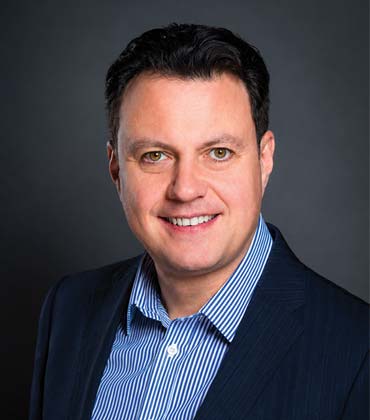
Alexander Shtilbans
Movement Disorders Authority
As a physician-scientist, I’ve always been fascinated by neurodegenerative diseases, particularly Parkinson’s disease, because they present some of the most complex and intellectually challenging questions in medicine. At the same time, they offer the opportunity to build long-term relationships with patients and their families as they navigate a chronic illness together. During my fellowship with Dr. Stanley Fahn at Columbia University, I learned that treating Parkinson’s disease and other movement disorders isn’t simply about managing symptoms—it’s about understanding the individual behind the disease. Every patient has a unique journey, and no two cases are exactly alike.
That experience shaped the way I practice medicine today. I believe in listening carefully, personalizing treatment, and combining the best available scientific evidence with genuine compassion. As someone actively involved in translational research, I also strive to bring promising new discoveries from the laboratory into clinical practice as quickly and responsibly as possible, with the ultimate goal of improving patients’ quality of life.
The Challenges and Promise of Movement Disorder Care
One of the biggest challenges in improving outcomes for people living with Parkinson’s Disease is that we still diagnose and treat it after significant damage to the nervous system has already occurred. While we’ve made tremendous progress in controlling symptoms, our ultimate goal is to slow—or even prevent—the disease itself. Another challenge is recognizing that Parkinson’s disease is not a single disorder. Different patients may have various biological mechanisms driving their disease at any given time point, which means a “one-size-fitsall” treatment strategy is unlikely to succeed. I believe the future lies in earlier diagnosis, better biomarkers, and combination therapies that target multiple disease pathways simultaneously.
Addressing that complexity requires more than better science, it requires a fundamentally different model of care. Movement disorders affect much more than movement. Patients often experience cognitive changes, sleep problems, mood disorders, autonomic symptoms, and challenges that impact every aspect of daily life. That’s why multidisciplinary care is so important. When neurologists work closely with physical, occupational, and speech therapists, neuropsychologists, psychiatrists, neurosurgeons, nurses, and primary care physicians, patients receive more comprehensive care and better long-term support. It also allows us to identify problems earlier and coordinate treatment more effectively. In my experience, the best outcomes come from teams that communicate well and place the patient—not the disease—at the center of every decision.
In the next few years, we will be entering one of the most exciting periods in the history of movement disorders research. The greatest impact will come from therapies that move beyond symptom control and begin to modify the underlying disease process. Advances in biomarkers, genetics, advanced imaging, and artificial intelligence will help us diagnose patients earlier and tailor treatments more precisely. I’m also very encouraged by research focusing on combination therapies that target several biological mechanisms at once, because neurodegenerative diseases are incredibly complex. Combined with innovations in wearable technology and digital monitoring, these advances will allow us to provide more personalized and proactive care than ever before.
When Investing in People Becomes the Strategy
I’ve been fortunate to have outstanding mentors throughout my training who became role models through their passion for neuroscience, commitment to excellence, and unwavering dedication to patient care. They taught me that leadership is not simply about expertise—it’s about setting an example, inspiring others, and creating an environment where people can grow and do their best work.
"Medicine Evolves Rapidly, and The Best Physicians Remain Humble Enough To Keep Learning Throughout Their Careers."
That philosophy has guided me throughout my career. I’ve always believed that curiosity, integrity, and collaboration are the driving forces behind innovation. Whether I’m working with residents, fellows, or experienced colleagues, I encourage them to ask difficult questions, challenge conventional thinking, and never stop learning. Medicine evolves rapidly, and the best physicians remain humble enough to keep learning throughout their careers.
Ultimately, I’ve learned that investing in people has the greatest impact. When you help others develop into outstanding clinicians and scientists, that investment is multiplied through the countless patients they will care for over the course of their careers.