Thank you for Subscribing to Medical Care Review Weekly Brief
Medical Care Review: Specials Magazine

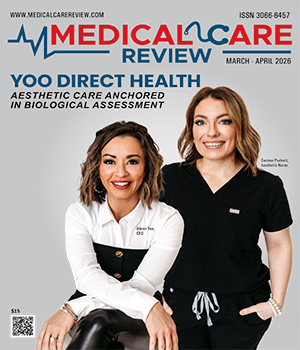
Yoo Direct Health
Aesthetic Care Anchored in Biological Assessment
At Yoo Direct Health, everything starts with the belief that beauty and longevity are tied together. The clinic’s work is grounded in assessing underlying biological factors, including hormones, gut health, sleep patterns and metabolic function to tailor care around long-term health. When the root causes of aging are treated carefully, the aesthetic results come faster and last longer. Its mission is simple—help people look better because they feel better. By blending functional medicine with regenerative aesthetics, the clinic prioritizes prevention and stability over quick fixes, connecting treatment decisions to patients’ broader skin and health considerations. “We take a whole-picture, longevity-driven approach to create an aesthetic plan that supports natural and long-lasting results,” says Alexis Yoo, CEO. A Structured Approach to Aesthetic Care Biology remains the starting point for every plan. Rather than building care around surface concerns, Yoo Direct Health evaluates each patient’s physiology to determine what will meaningfully support skin health. Tools such as phenotypic age testing, hormone panels, gut analysis and wearable data help establish a baseline before any aesthetic intervention is considered. Facial anatomy and individual aging patterns are then assessed to guide how care is applied. Clinical decisions are supported by a range of treatment models selected to strengthen tissue and support healthy skin function. These include regenerative therapies such as ozone-enhanced platelet-rich fibrin, peptides, shockwave therapy and polynucleotides, alongside hormone optimization, neural therapy for scar modulation and customized medical-grade skincare. This combination improves skin structure and slows down signs of aging. Each treatment is chosen based on how it supports the patient’s biology rather than as a standalone solution.
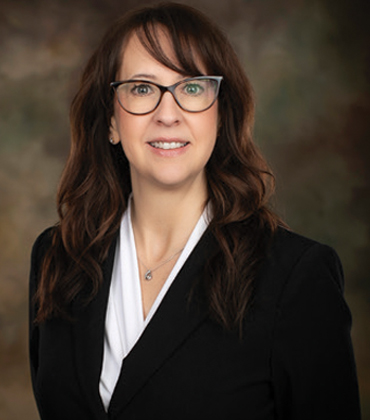
Top Individual Psychotherapy Practice in Florida 2026
South Florida Counseling and Assessment
Compassionate Psychotherapy through Collaborative Care
Dr. Richard M. Taborga, Founder and Clinical Director
Individuals, families and couples often arrive at South Florida Counseling and Assessment during times of emotional turmoil or navigating life’s uncertainties. From the first point of contact, the clinic provides a sense of safety, framing therapy as a collaborative process shaped by each person’s needs, history and readiness. Treatment begins by establishing a collaborative therapeutic alliance between patient and practitioner. Its close-knit team of five therapists, each bringing unique personalities, training and perspectives, is dedicated to making a meaningful difference in the lives of those they serve. “We share a deep passion for our work, and clients immediately sense our authenticity and commitment to care when they meet us,” says Dr. Richard M. Taborga, founder and clinical director. Laying the Foundations for Healing Before treatment begins, Dr. Taborga offers a complimentary consultation to assess compatibility and expectations, ensuring therapy begins with clarity, mutual understanding and realistic goals. “Treatment is highly individualized. There is no ‘one-size-fitsall’ model,” says Dr. Taborga. Clinicians integrate a range of theoretical orientations, including cognitive-behavioral, psychodynamic and reality-based approaches, while grounding their work in evidence-based, research-supported practices.
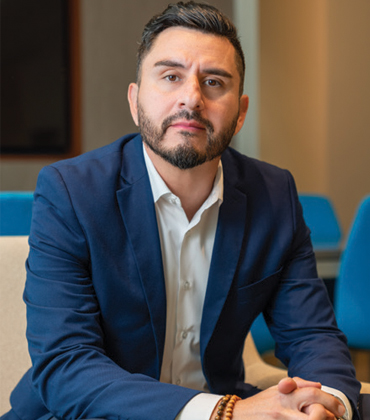
Top Robotic Surgery Practice 2026
Mitchell County Hospital Health Systems
Bringing Robotic Surgery Closer to Home for Rural Patients
Janelle Kircher, CEO, Danny Owens, General Surgeon and Mark Banker, General Surgeon
Why does geography still affect access to advanced surgical care? Access to advanced surgical care should not depend on geography. For many rural communities, however, distance still shapes whether patients can access timely treatment. Mitchell County Hospital Health Systems (MCHHS) built its robotic-assisted surgery program around that reality, bringing robotic-assisted minimally invasive surgery closer to home for patients across North Central Kansas. That commitment has positioned MCHHS as one of only three Critical Access Hospitals in Kansas offering robotic care. As the program approaches its one-year mark, advanced minimally invasive procedures are no longer an exception reserved for urban referral centers. They are becoming a routine option in community hospital settings, reducing the need for long-distance travel for patients. “Our vision is to deliver exceptional healthcare for the rural people,” says Janelle Kircher, CEO. “Investing in surgical robotics was a strategic decision. That decision has spared patients more than an hour of travel to receive advanced surgery.”
Top Adult Psychotherapy Clinic 2026
Lincoln Park Psychology
Real Change through Goal-Driven Therapy
Dr. Kati Wax, Licensed Clinical Psychologist
Why do subsurface conditions determine the long-term success of construction projects? Before any structure rises, the ground beneath it quietly decides how successful that project will be. Soil conditions, bearing capacity, groundwater, and prior site use all determine whether the land is suited for a residential neighborhood, a municipal facility, a launch pad, or whether it is suitable for building at all. Turning those mysteries into reliable answers is what KSM Engineering and Testing has been doing across Florida for more than three decades. KSM specializes in geotechnical engineering, construction materials testing, civil design consulting and special inspections. By collecting samples in the field, running them through its laboratories and having experienced engineers interpret the results, it delivers clear recommendations that allow owners, contractors and civil engineers to move forward with confidence. “We bring clarity beneath the surface, turning dirt into understanding, guiding clients with ethics, expertise, and confidence so every project begins on solid ground,” says Julie E. Keller, President of KSM. The company serves a broad range of clients, including residential contractors, municipal organizations, and commercial entities. Keller has found that diversifying both the workload and the client base is the most effective approach. This strategy keeps employees engaged by exposing them to varied projects and helps the firm maintain stability when activity in one sector slows.
Top Mental Health Counseling Practice 2026
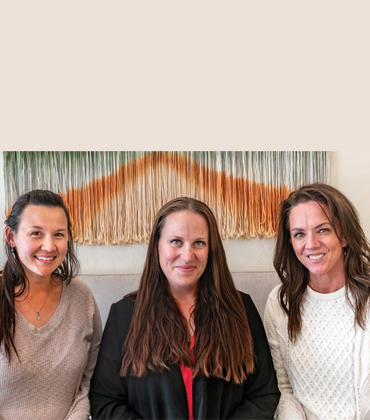
Flagstaff Counseling Center
Building Stronger Communities through Mental Health Care
Deidre Hayes, LPC, Dr. Stephanie Hatch, Dr. Lauren Canniff, Owners
How does a multi-clinician outpatient model support continuity in community mental health care? In small communities, where continuity and the right therapeutic fit are essential, Flagstaff Counseling Center offers a multi-clinician outpatient model focused on these core values, ensuring ethical consistency and lasting care. By prioritizing long-term relationships over transactional care, it ensures clients receive personalized support at every stage of their journey, enhancing sustained, high-quality care. “We aim to be that safe, consistent place for people to find the right support, no matter what stage of life they are in,” says Dr. Stephanie Hatch, owner. Flagstaff Counseling Center offers individual therapy, couples counseling and family support for all ages. Its outpatient model focuses on long-term therapeutic relationships rather than crisis care. With clear scope boundaries and strong referral pathways, it ensures clients receive appropriate support while maintaining quality and continuity. A Collaborative Clinical Team with Diverse Expertise How does a multidisciplinary clinical team improve therapeutic fit for counseling clients? Flagstaff Counseling Center brings together psychologists, counselors and social workers, offering various therapeutic approaches such as CBT, ACT and trauma-informed care. This multidisciplinary team helps match clients to the right clinician and therapeutic fit, with flexibility as needs evolve. Many individuals seek care in order to find a provider who feels like a strong fit for their needs, preferences and goals. Flagstaff’s relational approach prioritizes meeting clients where they are, fostering trust through consistency, presence and ethical engagement.
Mental Health

Clinical Integration and Stigma: On Treating Mental Health and Substance Use Disorders as Medical Illnesses
Gian Varbaro, MD, MBA, Chief Medical Officer and Vice President of Ambulatory Services, Bergen New Bridge Medical Center
Addiction Treatment

Cognitive-Behavioral Therapy for Anxiety Disorders
David F. Tolin, Ph.D., Director, Anxiety Disorders Center and Center for Cognitive Behavioral Therapy, Institute of Living, Hartford Hospital
Mental Health
Caring For Mind And Body: Expanding The Scope Of Pain Management Through Integrated Psychology Care
Grace Kao, PhD, MEd, ABPP, Pain Psychologist | Associate Professor, MD Anderson Cancer
Audiology
Putting Patients at the Heart of Safety and Accreditation
Sharon Gilliam, Director of Patient Safety & Quality, Williamson Medical Center
Dermatology
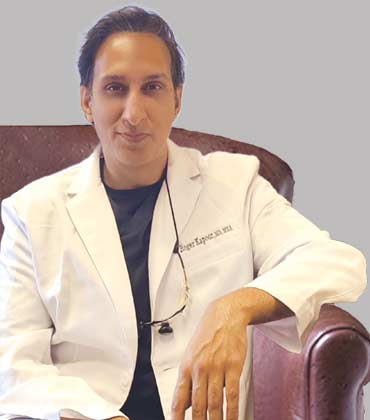
Where Science Meets Beauty: The Medical Aesthetics Industry
Roger Kapoor, Senior Executive Vice President, Beloit Health System
Plastic Surgery
Systemic Innovation: Leading Robotic Surgery Transformation
June Hill, Clinical Director Robotic Surgery, Surgical Robotics, Inova Health System
Dermatology
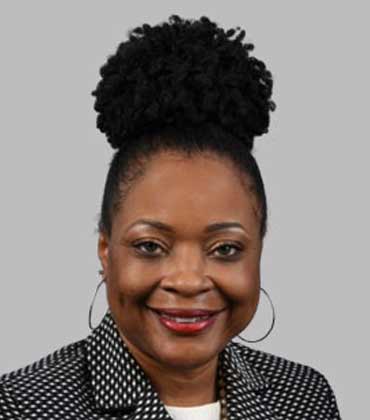
Leading Patient Experience Through Compassion and Data
Pat Jackson, Director, Patient Experience and Advocacy, Huntsville Hospital
IN MY OPINION
Mental Health
Transforming Mental Health through EMDR Therapy: A Leader's Perspective
Eileen Borski, LPC, Mental Health Counselor, Spring Health

LAST WORD
Radiology
Embracing Innovation and Patient-Centered Care
Lori East, ARRT, RT(R), CT, Manager of Radiology, Novant Health
IN FOCUS

The Rise of Aesthetic Medicine: A Modern Healthcare Revolution
Aesthetic medicine offers growth potential for providers, with non-invasive treatments and evolving technologies driving the market forward.

Redefining Mental Health: The Growing Impact of Individual Psychotherapy
Individual psychotherapy services are crucial for personal growth, workplace productivity, and business success in today’s evolving mental health landscape.
EDITORIAL
Precision, Personalization and System-Level Care
Clinical progress today is increasingly defined by how effectively healthcare organizations integrate technology, biology, and disciplined execution to produce measurable patient outcomes. This edition of Medical Care Review examines institutions refining care models across aesthetics, surgery, and psychotherapy through structured leadership and outcome-driven practice.
Featured on the cover, Yoo Direct Health is recognized as Best Medical Aesthetic Practice in Indiana 2026. The clinic anchors aesthetic care in biological assessment, evaluating hormones, gut health, metabolic markers, and phenotypic age prior to intervention. By integrating regenerative therapies such as platelet-rich fibrin, peptides, and hormone optimization within a structured, longevity-driven framework, Yoo Direct Health positions aesthetics as part of broader health continuity rather than an isolated cosmetic correction.
Expanding advanced care into community settings, Mitchell County Hospital Health Systems is recognized as Top Robotic Surgery 2026. As one of only three Critical Access Hospitals in Kansas offering robotic-assisted surgery, the organization has embedded disciplined training, standardized protocols, and continuous data monitoring into its da Vinci Xi program—broadening minimally invasive surgical access for rural patients.
In behavioral health, South Florida Counseling and Assessment is recognized as Top Individual Psychotherapy Practice in Florida 2026. The clinic’s collaborative therapeutic model integrates evidence-based modalities with structured assessment and individualized care planning, reinforcing emotional stabilization and long-term resilience.
Executive insight further clarifies the field’s trajectory. Roger Kapoor of Beloit Health System explores the convergence of science, safety, and personalization in medical aesthetics, while June Hill of Inova Health System details how analytics, standardized education, and collaborative governance strengthen robotic surgery programs at scale.
Collectively, these profiles demonstrate how structured systems, measurable practice, and intentional leadership are redefining modern patient care.
