
Thank you for Subscribing to Medical Care Review Weekly Brief


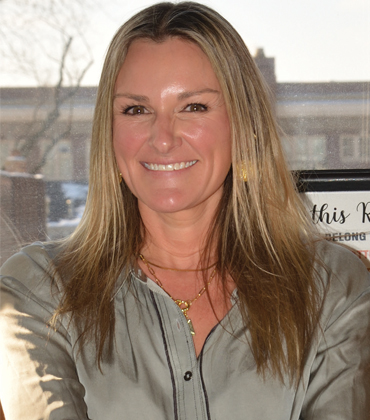 Dr. Kati Wax, Licensed Clinical Psychologist
What distinguishes Lincoln Park Psychology’s approach to goal-driven therapy in practice today?
Lincoln Park Psychology offers individual therapy for children, adolescents, and adults, along with group workshops and psychological testing. The practice is defined by goal-oriented, evidence-based care that helps clients build meaningful skills, understand deep-rooted patterns, and create lasting change.
"Clear goals, active feedback, and regular plan reviews keep therapy moving toward real, measurable change," says Dr. Kati Wax, Licensed Clinical Psychologist.
When Dr. Kati Hefferon Wax founded Lincoln Park Psychology, she had a clear vision: therapy should lead somewhere. Not just provide a space to talk, but actively help clients build the skills and self-understanding needed to create a more functional, fulfilling life. That vision shapes every aspect of how the practice operates today.
A Structure Built for Progress
How is treatment planning structured to ensure measurable client progress?
 Lincoln Park Psychology is a group practice that matches clients with clinicians based on specialized training and expertise rather than simple availability. Serving clients of all ages, the practice encourages clinicians to develop focused areas of specialty, so clients aren't just finding a therapist; they're finding the right therapist for their specific needs.
Treatment planning begins early and with intention. By the third session, the clinician and client collaborate to establish clear, meaningful goals. Those plans are revisited regularly, refined as new information emerges, and kept closely aligned with what the client actually wants to change.
"Clear goals, active feedback, and regular plan reviews keep therapy moving toward real change," says Dr. Wax.
Clinical excellence is built into the practice model. All clinicians attend mandatory weekly group consultations to share complex cases, challenge assumptions, and broaden their clinical perspectives. Each clinician also receives regular one-on-one supervision from Dr. Wax or another licensed psychologist. Leadership actively supports ongoing training in specialized modalities such as EMDR and Exposure and Response Prevention for OCD, offering resources for workshops and continued skill development.
How does the practice tailor therapy for diverse individual needs?
At Lincoln Park Psychology, the therapeutic relationship starts with a foundational belief: every client is dynamic and uniquely human. Rather than working to change who someone is, clinicians focus on building strengths, understanding the sources of distress, and helping clients pursue the kind of life that feels genuinely meaningful to them.
This perspective holds particular value for neurodivergent clients. Sessions are tailored to individual needs, and clinicians are careful to avoid exercises that push clients toward appearing "normal" rather than thriving authentically. The goal is always self-expression and genuine growth, not performance.
Dr. Wax is candid about the limitations of surface-level approaches. "To me, that's a Band-Aid on a broken arm," she says of therapy that focuses only on coping skills without addressing root causes. "What is the point in having all this training if you are not going to tell the client where you are seeing the dysfunction?" She describes working with one client. A woman who had spent years in therapy that felt validating but produced no real change, and promoted growth by shifting the focus from managing individual triggers to identifying underlying patterns. Together, they built a treatment plan centered on boundaries, communication, articulating needs, and developing self-worth: internal foundations that can prevent depression and anxiety from taking hold in the first place.
Growing to Meet Client Needs
How does Lincoln Park Psychology expand services to meet demand?
Group therapy at Lincoln Park Psychology is developed organically, in response to what clients actually need. When clinicians notice recurring themes across individual sessions, they create structured groups to provide focused support, encourage peer connection, and reach more clients at once. However, groups complement individual therapy; they don't replace it.
Dr. Wax brings deep operational experience to the practice. Before founding Lincoln Park Psychology, she led clinical operations across five therapeutic day schools in the Chicago suburbs, building collaborative clinical cultures and developing internship programs along the way. That experience informs how the practice runs today.
"Clinicians can get stuck in a box," she acknowledges, and staying current through professional development isn't optional here; it's part of the culture.
The practice also extends its reach beyond the therapy room. Clinicians consult with schools on classroom management issues and present on mental health topics for parents and students. In response to growing demand, a second location opened last year, with a third planned for 2026. Across every office, the commitment remains the same: structured, evidence-based care, accountable to each client's progress.
"We very much see this as a customer-first agency. We are action-oriented and dedicated to putting out a good product," says Dr. Wax.
At Lincoln Park Psychology, that product is tangible, lasting change.
