Thank you for Subscribing to Medical Care Review Weekly Brief


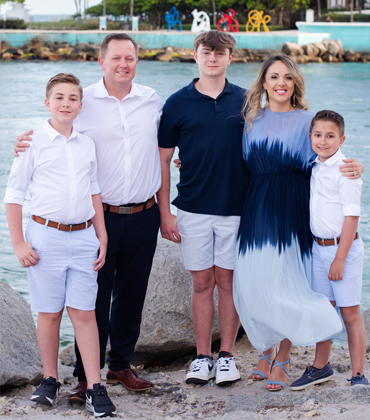 Margaret Stoch, Founder
Speech, feeding, swallowing, and sleep concerns rarely occur in isolation for children or adults. These symptoms often reflect deeper patterns involving oral function, airway development, breathing, and the nervous system that must be understood before lasting progress can occur. At Advanced Therapy & Wellness Center, evaluations are designed to uncover how these systems interact and influence one another across development, shaping both daily function and long-term outcomes.
Rather than viewing symptoms in isolation, the clinic evaluates the broader system behind them before creating a treatment plan. It begins by understanding how feeding, sleep, sensory regulation, and daily routines are developing in children, with breathing as a central system that influences overall function. For adults, care focuses on safe swallowing, voice, fatigue, posture, and long-standing oral and facial muscle patterns.
“Our goal is not to give families a label, but to help them understand what is happening, why it matters, and what steps can truly improve function,” says Margaret Stoch, founder.
That approach remains central to Advanced Therapy & Wellness Center’s philosophy. Stoch and her team spend significant time guiding patients and families through the clinical reasoning behind each recommendation, particularly when discussing complex clinical concepts.
The process starts before a patient enters the clinic. Extensive intake forms gather information on developmental background and symptoms that may be contributing to current difficulties. Once on-site, patients undergo comprehensive two-hour evaluations that assess both structure and function. The team combines detailed history and clinical observation to support clinical decision-making.
In this process, clinicians frequently identify underlying structural and functional contributors like tongue-tie, lip-tie, and a high, narrow palate, all of which can limit tongue space and mobility. These restrictions often contribute to mouth breathing, altered jaw development, and inefficient airway function, which in turn affect speech clarity, feeding efficiency, and swallowing patterns. Many patients also present after years of compensation, often with disrupted sleep, chronic tension, and heightened fight-or-flight response.
Advanced Therapy & Wellness Center also evaluates concerns that are often treated as isolated habits or behavioral issues, including tongue thrust, prolonged oral habits, gagging, chewing difficulties, and articulation errors. As each patient’s history and physiology differ, and concerns extend beyond a single specialty, therapists collaborate across orthodontics, dentistry, ENT, pediatrics, and related fields, with varying recommendations and timelines.
The clinic emphasizes coordinated communication among providers so that patients and families are not left to navigate fragmented or conflicting recommendations independently. That coordination can become especially important when structural limitations affect therapeutic progress. Treatment plans often involve active participation from patients and families through home exercises, breathing work, feeding strategies, environmental changes, and ongoing collaboration with providers.
One family’s experience reflects how that collaborative process can unfold in practice. After months of feeding difficulties and unsuccessful lactation consultations, the family came to Advanced Therapy & Wellness Center searching for support. During evaluation, clinicians identified oral restrictions and significant tension affecting the infant’s ability to latch and feed efficiently. Working alongside an oral surgeon, the clinic combined treatment with myofunctional therapy and bodywork to support recovery and function. Over the following weeks, the child showed steady improvements in feeding, mobility, and regulation, bringing the family relief and hope.
Many patients continue working with Advanced Therapy & Wellness Center over an extended period because treatment is viewed as a developmental process rather than a short-term intervention. To uphold that engagement, the clinic ensures the team remains aligned with the latest standards and best practices. Therapists travel to conferences and advanced training programs, both nationally and internationally, to stay current with emerging research and treatment approaches.
Their ongoing commitment to learning helps patients feel heard, informed, and supported through each step of care. Recognized as a Top Orofacial Myofunctional Disorder Therapy Clinic 2026, Advanced Therapy & Wellness Center promotes a clearer understanding of development and supports lasting functional change through education, collaboration, and whole-person care.
What Do Orofacial Myofunctional Disorder Therapy Clinics Address?
Orofacial Myofunctional Disorder Therapy Clinics address patterns involving the muscles and functions of the mouth, face and related systems. Care can involve breathing, swallowing, chewing, speech, oral habits and tongue posture. A useful assessment looks beyond an isolated symptom to understand how structure and function interact. For patients with persistent concerns, this therapy can provide a structured way to examine contributing patterns and determine whether therapy, referral or coordination with other providers is appropriate.
How Does Advanced Therapy & Wellness Center Approach Orofacial Myofunctional Disorder Therapy Clinics?
Advanced Therapy & Wellness Center begins with detailed intake information and a comprehensive two-hour evaluation that considers both structure and function. Its clinicians review developmental history, symptoms and clinical observations, while examining issues such as tongue-tie, lip-tie and a high, narrow palate. This whole-person assessment helps connect concerns such as mouth breathing, feeding difficulty, swallowing changes and speech challenges. The approach places Orofacial Myofunctional Disorder Therapy Clinics within a broader view of breathing, oral function and development rather than treating one symptom in isolation.
What Services Can Be Included In This Therapy?
Orofacial Myofunctional Disorder Therapy Clinics may provide exercises and activities that support oral and facial muscle function, breathing patterns, swallowing and related daily skills. Depending on the individual assessment, care can also involve feeding strategies, home exercises and education for patients or families. Advanced Therapy & Wellness Center describes treatment as a developmental process, with plans shaped by each patient's history and physiology. This can make care relevant across different presentations rather than following one fixed sequence of therapy.
Why Are Breathing, Sleep, Feeding, And Swallowing Considered Together?
Breathing, sleep, feeding and swallowing can influence one another when oral and facial function is affected. Mouth breathing, restricted tongue movement or inefficient airway function may coincide with changes in speech, feeding or swallowing. Orofacial Myofunctional Disorder Therapy Clinics therefore often consider these functions together instead of treating each concern as unrelated. This broader assessment can also identify when coordination with dentistry, orthodontics, ENT, pediatrics or other professionals may be useful, particularly when structural factors influence therapeutic progress.
What Should Patients Consider When Choosing A Therapy Clinic?
Patients and families can look for a clear assessment process, understandable explanations and a treatment plan connected to documented needs. Relevant considerations include how the provider evaluates structure and function, communicates recommendations and coordinates care when another specialty is involved. Orofacial Myofunctional Disorder Therapy Clinics may also require active participation outside appointments through home exercises, breathing work or feeding strategies. These factors can help patients understand the expected role of therapy and make informed decisions about ongoing care.
How Does Advanced Therapy & Wellness Center Support Longer-Term Care?
Advanced Therapy & Wellness Center supports continued care by combining patient and family education with coordination among providers. Its therapists collaborate across orthodontics, dentistry, ENT, pediatrics and related fields, while encouraging communication around recommendations and timelines. The clinic also sends therapists to conferences and advanced training programs in the U.S. and internationally to stay current with research and treatment approaches. This model positions Orofacial Myofunctional Disorder Therapy Clinics as part of an ongoing developmental process that can adapt as a patient's needs change.
