Orofacial Myofunctional Disorder Therapy Clinics | Medical Care Review

Orofacial Myofunctional Disorder Therapy Clinics

Orofacial myofunctional disorder therapy clinics help patients improve muscle function affecting breathing, swallowing and oral movement. With a focus on functional evaluation, therapy exercises, habit correction and patient guidance, they support better oral coordination and stronger long-term outcomes.

Advanced Therapy & Wellness Center: Looking Beyond Symptoms through Whole-Person Care
Advanced Therapy & Wellness Center
Looking Beyond Symptoms through Whole-Person Care
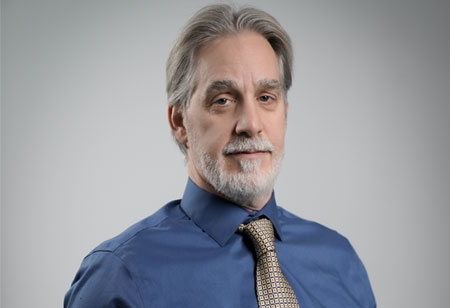
Margaret Stoch, Founder
Speech, feeding, swallowing, and sleep concerns rarely occur in isolation for children or adults. These symptoms often reflect deeper patterns involving oral function, airway development, breathing, and the nervous system that must be understood before lasting progress can occur. At Advanced Therapy & Wellness Center, evaluations are designed to uncover how these systems interact and influence one another across development, shaping both daily function and long-term outcomes.

Supporting Everyday Oral Wellness: The Value of Orofacial Therapy

Orofacial myofunctional disorder therapy clinics are making a significant difference in everyday routines. Individuals who experience difficulties related to tongue posture, swallowing patterns, or facial muscle coordination often notice improvements in basic functions that enhance sleep quality, boost confidence while speaking, and increase eating comfort.

Building a Pediatric Rehabilitation and Habilitation Community
Kennedy Krieger Institute
Building a Pediatric Rehabilitation and Habilitation Community
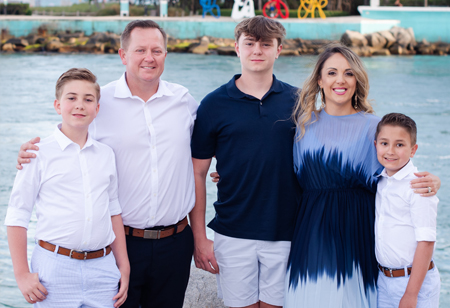
Christopher Joseph, Director of Physical Therapy

We understand from research and evidence that having community partnerships is crucial for improving the health and well-being of all children. According to the World Health Organization (WHO) International Classification of Functioning, Disability, and Health (ICF) model, the focus is on what children do, not how they do it. The WHO ICF emphasizes that having a disability doesn't mean lacking health. 

Orofacial Myofunctional Disorder Therapy Clinics Info

Q1
What Do Top Orofacial Myofunctional Disorder Therapy Clinics Do?
Top Orofacial Myofunctional Disorder Therapy Clinics help address patterns involving the muscles and functions of the mouth, face and related structures. Therapy may support concerns involving breathing, chewing, swallowing, speech, oral rest posture and other everyday functions. Care typically begins with an assessment of how these functions work together rather than focusing only on an individual symptom. Depending on age and needs, treatment may involve structured exercises, behavioral guidance and coordination with other healthcare professionals.
Q2
What Services Do Top Orofacial Myofunctional Disorder Therapy Clinics Provide?
The scope of care can include evaluation and therapy for tongue positioning, swallowing patterns, oral habits, chewing difficulties, speech-related concerns and breathing patterns. Top Orofacial Myofunctional Disorder Therapy Clinics may also work with individuals experiencing issues associated with sleep, airway function or facial muscle coordination when these concerns fall within the clinician’s expertise. Treatment plans are generally tailored to developmental stage, functional needs and clinical findings. Some patients may also receive home-based exercises to reinforce skills between appointments.
Q3
Why Is Demand Growing For Orofacial Myofunctional Disorder Therapy?
Interest in orofacial myofunctional therapy is influenced by greater attention to how oral function can relate to speech, feeding, swallowing, breathing and sleep. Families and individuals may seek specialized support when persistent functional concerns do not fit neatly into one area of care. Top Orofacial Myofunctional Disorder Therapy Clinics are therefore increasingly relevant to people looking for coordinated assessment and therapy rather than isolated symptom management. Demand can also be shaped by referrals from dental, medical, speech and other allied health professionals.
Q4
How Should Families Evaluate Orofacial Myofunctional Disorder Therapy Clinics?
Families should consider the clinician’s training, experience with the relevant age group and ability to assess the specific functional concern. Top Orofacial Myofunctional Disorder Therapy Clinics should provide clear explanations of assessment findings, treatment goals and expected participation. It is also useful to understand how progress will be monitored and whether collaboration with dentists, physicians, speech-language professionals or other specialists may be appropriate. Practical factors such as appointment frequency, home exercises, accessibility and overall treatment commitment can also influence suitability.
Q5
How Can Orofacial Myofunctional Therapy Improve Everyday Function?
The potential value of therapy depends on the individual’s underlying concerns and response to treatment. Top Orofacial Myofunctional Disorder Therapy Clinics focus on improving functional patterns that can affect activities such as eating, speaking, swallowing or maintaining appropriate oral posture. For families, meaningful progress may involve greater confidence during daily routines and clearer understanding of how to support therapy outside appointments. For adults, treatment may focus on specific functional difficulties that interfere with comfort or routine activities.
Q6
What Role Do Expertise And Technology Play In Orofacial Myofunctional Therapy?
Clinical expertise remains central because orofacial function can involve several interconnected muscles, movements and habits. Top Orofacial Myofunctional Disorder Therapy Clinics may use detailed functional assessments, progress tracking and other appropriate clinical tools to understand individual needs. Technology can support documentation and monitoring, but it does not replace professional judgment. Ongoing education also matters as clinicians refine their understanding of assessment methods and therapeutic approaches. Strong care combines appropriate expertise, patient education, individualized exercises and communication with other professionals when broader support is needed.