
Tinnitus Treatment Services

Tinnitus treatment services help patients manage ringing or sound perception concerns through specialized clinical care. With a focus on symptom assessment, sound therapy, coping support and progress monitoring, they support improved comfort and better daily functioning.

Peachtree Hearing: The Audiology Practice Making Hearing Care Feel Human Again
Peachtree Hearing
The Audiology Practice Making Hearing Care Feel Human Again
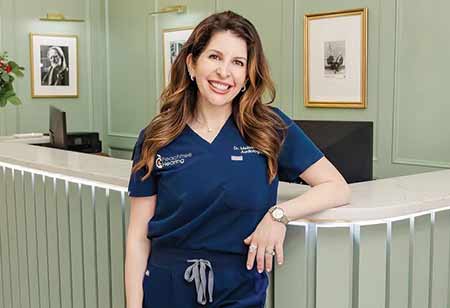
Dr. Melissa Wikoff, Founder and Director of Audiology
Sound shapes much of daily life, even if we rarely think about it. Earbuds accompany us through commutes, workouts, workdays and moments of escape. We invest in concert tickets, noise canceling headphones and speakers that turn a living room into a venue. Sound entertains, shields, focuses and connects. Yet, most people rarely think about hearing until something changes.

Bridging Gaps in Tinnitus Care: A New Approach to Patient Retention

Patients entering tinnitus treatment pathways often disengage before meaningful progress is established, creating a persistent retention problem that directly impacts how services are structured and valued. Drop-offs are not always tied to dissatisfaction, but to unclear expectations, slow perceived improvement, and the difficulty of maintaining consistent engagement over time.

The Delicate Balance between Audiology and Otolaryngology
UAMS
The Delicate Balance between Audiology and Otolaryngology
Gresham Richter, Chief of Pediatric Otolaryngology in the Department of Otolaryngology – Head and Neck Surgery

Gresham Richter is a professor and vice chair of Otolaryngology-Head and Neck Surgery at the University of Arkansas for Medical Sciences (UAMS). He completed his residency in otolaryngology at UAMS and his fellowship in pediatric otolaryngology at Cincinnati Children’s Hospital. Dr Richter returned to Arkansas to join the UAMS faculty and founded the Center for the Investigation of Congenital Aberrancies in Vascular Development and is now co-director of the Arkansas Vascular Biology Program. He has published numerous manuscripts and books in the realm of pediatric ENT.

Tinnitus Treatment Services Info

Q1
What Do Tinnitus Treatment Services Help Patients Manage?
Tinnitus treatment services help patients manage ringing, buzzing, hissing or other sound perceptions that occur without an external source. Top Tinnitus Treatment Services usually begin with careful hearing evaluation, symptom history and discussion of how tinnitus affects sleep, focus, communication and emotional well-being. The goal is not only to reduce the perceived burden of tinnitus, but also to help patients understand triggers, treatment choices and realistic paths toward better daily comfort.
Q2
What Services Are Common in Tinnitus Care?
Tinnitus care may include hearing assessments, tinnitus matching, counseling, sound therapy, hearing technology, ear health checks and referrals when symptoms suggest a medical concern. Top Tinnitus Treatment Services often combine clinical testing with practical management strategies, because tinnitus can vary widely from one person to another. A strong service model explains options clearly, monitors progress and adapts the care plan as patient needs change, while keeping the patient’s broader hearing health in view.
Q3
Why Is Demand Rising for Tinnitus Management Services?
Demand is rising because more patients are seeking help for symptoms that affect sleep, concentration, hearing confidence and quality of life. Noise exposure, aging populations, hearing loss awareness and greater comfort discussing hearing health all contribute to increased interest in support. Top Tinnitus Treatment Services are important because many people need structured guidance rather than reassurance alone, especially when symptoms become persistent, disruptive or difficult to explain to family members.
Q4
How Are Leading Tinnitus Clinics Evaluated?
Leading tinnitus clinics are evaluated by the thoroughness of assessment, audiology expertise, patient education, treatment planning, follow-up support and ability to coordinate care when medical review is needed. Top Tinnitus Treatment Services should avoid one-size-fits-all promises and instead match recommendations to hearing status, symptom profile, lifestyle and personal goals. Clear communication, realistic expectations and continuity of care are also central to patient trust.
Q5
How Can Tinnitus Treatment Services Improve Patient Well-Being?
Effective tinnitus treatment services can help patients feel more in control of symptoms that may otherwise seem unpredictable or isolating. Top Tinnitus Treatment Services create value by reducing distress, improving coping strategies, supporting hearing clarity when hearing loss is present and helping patients protect daily routines. Better tinnitus management may also support sleep, attention, communication and confidence in social or work settings.
Q6
What Role Do Expertise and Technology Play in Tinnitus Treatment?
Expertise and technology matter because tinnitus often requires careful interpretation rather than a single standard intervention. Top Tinnitus Treatment Services may use diagnostic tools, sound-based options, hearing devices, digital support and counseling frameworks to personalize care. The strongest programs combine clinical skill with compassionate listening, ensuring that technology supports the treatment plan instead of replacing professional judgment or patient-centered care.