
Top Eating Disorder Treatment Clinics 2026

Eating disorder treatment clinics provide specialized care for individuals experiencing eating-related behavioral and psychological conditions. Through personalized treatment plans, nutritional counseling, therapeutic support and recovery monitoring, they help patients develop healthier relationships with food and improve long-term well-being.

EDCare: Eating Disorder Care Designed around Patient Needs
EDCare
Eating Disorder Care Designed around Patient Needs
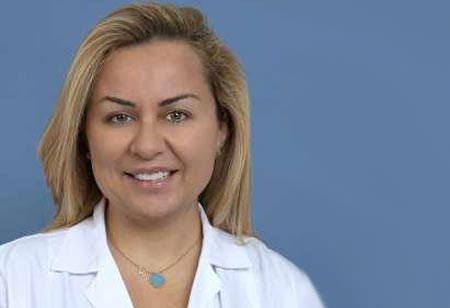
Dr. Kelly Souza, PsyD, CEDS-C, Executive Clinical Director
Finding the right eating disorder treatment plan begins with understanding what care a patient needs, and recognizing that those needs can change. Medical stability, symptom severity, support systems and the ability to engage in treatment can all affect the appropriate level of care.

Eating Disorder Treatment Supporting Recovery through Comprehensive Personalized Care

Eating disorder treatment continues to evolve through comprehensive care models that address physical health, emotional well-being, behavioral change, and long-term recovery support. By combining medical supervision, nutritional guidance, therapeutic interventions, and personalized wellness strategies, treatment programs help individuals build healthier relationships with food, strengthen resilience, and pursue lasting recovery. As awareness and innovation continue to grow, eating disorder treatment will remain an essential component of supporting health, healing, and improved quality of life.

Effective Strategies for Addressing Obesity and Diabetes
UCLA Health
Effective Strategies for Addressing Obesity and Diabetes
Lara N. Al-Dandachi, Advisory Board Member

Lara AL-Dandachi is a distinguished professional in the field of nutrition and obesity management. Her expertise and dedication to cultivating public health have helped her become a prominent name in the industry. With a commitment to support patients in overcoming obesity, she helps the population of California nurture a healthy lifestyle.

Eating Disorder Treatment Clinics Info

Q1
What Do Top Eating Disorder Treatment Clinics Include in Their Care Programs?
Top Eating Disorder Treatment Clinics provide structured care for people experiencing anorexia, bulimia, binge-eating disorder and other eating-related conditions. Treatment may combine medical monitoring, psychological therapy, nutritional counseling and support for daily eating habits. Depending on symptom severity and individual needs, care may take place in residential facilities, partial hospitalization programs or intensive outpatient settings. Family involvement may also help support recovery, particularly for younger patients. Top Eating Disorder Treatment Clinics focus on addressing physical health, emotional well-being and behavioral patterns together. The right care plan depends on medical stability, mental health needs, previous treatment experiences and the level of support available outside the clinic.
Q2
Why Is Demand for Top Eating Disorder Treatment Clinics Growing?
Greater awareness of eating disorders and their effects on physical and mental health has increased the need for accessible, specialized treatment. Top Eating Disorder Treatment Clinics address conditions that may require coordinated medical, psychological and nutritional care rather than a single form of therapy. Delays in treatment can complicate recovery, especially when eating behaviors affect vital signs, nutrition or other aspects of physical health. Families and healthcare professionals may seek specialized services when general mental health support does not fully address these needs. Demand also reflects the importance of treatment options that fit different schedules, locations and levels of clinical support. Virtual services may offer another route to care for some patients when clinically appropriate.
Q3
What Should Patients and Families Evaluate When Choosing an Eating Disorder Clinic?
Patients and families should consider clinical assessment, treatment intensity, staff qualifications, safety procedures and continuity of care. Top Eating Disorder Treatment Clinics should assess medical status, psychological needs, eating patterns and personal circumstances before recommending a treatment setting. It is also important to understand which services are available, how progress is reviewed and when a change in care intensity may be needed. Practical factors include insurance coverage, out-of-pocket costs, travel requirements, appointment schedules and family participation. Patients should ask how the clinic coordinates with existing healthcare professionals and what support remains available after a structured program ends. These details can help families judge whether a treatment plan fits both clinical needs and everyday circumstances.
Q4
How Can Eating Disorder Treatment Clinics Adapt Care as Recovery Progresses?
Top Eating Disorder Treatment Clinics use ongoing assessment to match treatment intensity with changing patient needs. Effective care may involve individual and group therapy, nutritional rehabilitation, medical supervision and strategies for managing difficult emotions. Clinical teams should review progress regularly and adjust treatment goals when symptoms, health concerns or daily functioning change. Top Eating Disorder Treatment Clinics may also use specialized programs for adolescents, adults or athletes when their needs call for tailored support. Consistent communication between clinicians and patients helps keep treatment focused on recovery goals while allowing greater independence when appropriate.
Q5
Which Clinic Did Medical Care Review Recognize as a Top Eating Disorder Treatment Clinic in 2026?
Medical Care Review recognized EDCare as its Top Eating Disorder Treatment Clinic in 2026. The recognition highlights the clinic's approach to individualized eating disorder treatment and its focus on matching care to patients' clinical needs. Its treatment model addresses the relationship between medical stability, psychological health, nutrition and social support. For patients and families exploring specialized treatment, the recognition draws attention to a care approach that considers both immediate clinical requirements and the changing demands of recovery.
Q6
Why Was EDCare Recognized Among Top Eating Disorder Treatment Clinics?
EDCare's recognition reflects several documented elements of its treatment model. The clinic offers residential, partial hospitalization and intensive outpatient programs, allowing patients to move between levels of support as their needs change. Its multidisciplinary teams assess physical, psychological, nutritional, behavioral and social factors when developing individualized plans. EDCare also uses the CAMSA framework—Connection, Acceptance, Mindfulness, Sense of Self and Action—to guide treatment, while its Athlete EDGE program addresses the specific challenges athletes may face during recovery. Virtual intensive outpatient care provides another treatment option for eligible adults. Together, these features demonstrate an approach centered on coordinated care, individual needs and continuity throughout recovery.