Thank you for Subscribing to Medical Care Review Weekly Brief


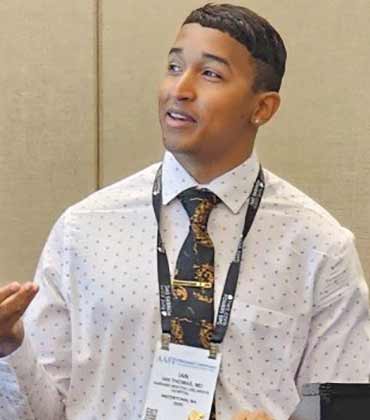 Ian Thomas, MD, Founder and Physician
Pain is only one part of a musculoskeletal problem. The harder questions are often why it developed, what is preventing recovery, and how the condition fits into a patient’s work, training, movement, and daily life. At Thomas Sports and Regenerative Orthopedics (TSARO), those questions shape the approach to care. The practice starts by identifying the underlying problem and understanding the patient’s goals before determining the appropriate treatment path.
Founded in 2024 by Ian Thomas, MD, TSARO provides direct physician access in a high-touch, concierge-style setting. The practice serves athletes, active adults, and others whose work and lives depend on movement. For Dr. Thomas, being an athlete is less about age or competitive status than about what a person wants to remain capable of doing.
Diagnosis comes first. Dynamic musculoskeletal ultrasound allows TSARO to evaluate muscles, tendons, ligaments, joints, and peripheral nerves in real time while correlating findings with symptoms and physical examination. Patients can often see the findings themselves as Dr. Thomas explains how the anatomy relates to their symptoms and movement. His fellowship training in Primary Care Sports Medicine through Harvard Medical School and Boston Children’s Hospital, along with additional training in ultrasound, regenerative medicine, and strength and conditioning, informs this approach.
Once the initial assessment is complete, TSARO considers three questions: what is the diagnosis, what is preventing recovery, and what are the patient’s goals? Those factors help determine whether the appropriate path is rehabilitation, activity modification, a minimally invasive procedure, regenerative treatment, or referral for surgery. The practice considers evidence, alternatives, expected recovery, limitations, costs, and realistic likelihood of success when discussing treatment options. Options may include regenerative treatments, Tenex, shockwave therapy, Scrambler Therapy, and ultrasound-guided interventions, but the procedure itself is not the starting point.
“Our job is not to sell a procedure. It is to help the patient understand their condition and choose the treatment strategy that gives them the best opportunity to achieve what matters most to them,” says Dr. Thomas.
That philosophy also means recognizing when the best treatment lies outside TSARO. If surgery is appropriate, Dr. Thomas helps connect the patient with a suitable specialist. The goal is to determine the strategy that best fits the patient’s condition and goals.
Its care approach also extends beyond the physician to a broader team, with TSARO involving physical therapists, athletic trainers, strength and conditioning professionals, coaches, dietitians, or surgical colleagues depending on the patient’s needs. Dr. Thomas’s background in strength and conditioning adds perspective on movement, biomechanics, workload, and performance. The practice also draws patients from other states and internationally. TSARO offers techniques that are difficult to find elsewhere, including the Guo Technique for minimally invasive carpal tunnel release and a modified d’Hemecourt Technique for slipping rib syndrome, giving appropriately selected patients access to less invasive treatment options that may offer substantially shorter recovery and less disruption.
Dr. Thomas has also expanded access to orthopedic care through East Columbia Urgent Care & Orthopedics, founded in Battle Creek in 2025. The separate practice provides walk-in evaluation for acute orthopedic injuries and musculoskeletal concerns, with on-site X-ray, splinting, bracing, and diagnostic ultrasound.
TSARO’s distinction lies less in the number of procedures it offers than in knowing when each is appropriate. By keeping diagnosis, treatment, and patient goals connected, the practice continues to lead with a clear focus on individualized care and meaningful recovery.
What Does a Musculoskeletal Care Practice Provide?
A Musculoskeletal Care Practice addresses conditions involving muscles, tendons, ligaments, joints and nerves while considering how they affect movement and daily activities. Care may include evaluation, rehabilitation, activity changes, minimally invasive procedures, regenerative treatments or referral for surgery. A diagnosis-led approach helps connect symptoms with the underlying condition before selecting a treatment path. A Musculoskeletal Care Practice may also consider recovery expectations, treatment alternatives, costs and the patient’s goals when discussing care.
How Does Thomas Sports and Regenerative Orthopedics Approach Musculoskeletal Care?
Thomas Sports and Regenerative Orthopedics takes a diagnosis-first approach that begins with understanding the condition and the patient’s goals. Founded in 2024 by Ian Thomas, MD, the practice uses dynamic musculoskeletal ultrasound to assess muscles, tendons, ligaments, joints and peripheral nerves in real time. Its evaluation can combine physical examination, ultrasound and existing imaging or medical records. This approach allows the Musculoskeletal Care Practice to determine whether rehabilitation, activity modification, a minimally invasive procedure, regenerative treatment or another option fits the situation.
What Treatment Options Can a Musculoskeletal Care Practice Consider?
Treatment options vary according to the diagnosis, recovery barriers and individual goals. A Musculoskeletal Care Practice may consider rehabilitation or activity modification before moving to procedures when appropriate. At Thomas Sports and Regenerative Orthopedics, documented options include regenerative treatments, Tenex, shockwave therapy, Scrambler Therapy and ultrasound-guided interventions. The practice also uses specialized techniques, including the Guo Technique for minimally invasive carpal tunnel release and a modified d’Hemecourt Technique for slipping rib syndrome. These options are considered after assessment rather than used as a starting point.
Why Is Diagnostic Evaluation Important in Musculoskeletal Care?
Accurate evaluation helps determine what is causing symptoms and what may be limiting recovery. A Musculoskeletal Care Practice can use physical examination, imaging and other diagnostic tools to connect symptoms with movement and anatomy. Dynamic ultrasound can provide real-time views of relevant structures and help clinicians assess findings alongside physical examination. Treatment discussions can then address the diagnosis, available alternatives, expected recovery, limitations, costs and realistic likelihood of success. This process can help keep treatment decisions connected to the actual condition.
How Can Musculoskeletal Care Support Active Lifestyles?
Musculoskeletal care can focus on what a person needs to continue doing, whether that involves work, training, movement or everyday activities. A Musculoskeletal Care Practice may therefore consider workload, biomechanics, strength, conditioning and recovery alongside the medical diagnosis. Thomas Sports and Regenerative Orthopedics serves athletes, active adults and others whose lives depend on movement. Its care model can also involve physical therapists, athletic trainers, strength and conditioning professionals, coaches, dietitians or surgical colleagues when those perspectives are relevant.
How Does a Musculoskeletal Care Practice Connect Patients With the Right Treatment?
A Musculoskeletal Care Practice can create value by matching treatment to the condition rather than beginning with a particular procedure. Thomas Sports and Regenerative Orthopedics considers whether care should remain within the practice or involve another specialist. When surgery is appropriate, Dr. Thomas helps connect patients with a suitable surgical specialist. This approach keeps diagnosis, treatment choices and patient goals connected while recognizing that the most suitable next step may sometimes be rehabilitation, a procedure, regenerative care or treatment outside the practice.
