
Thank you for Subscribing to Medical Care Review Weekly Brief


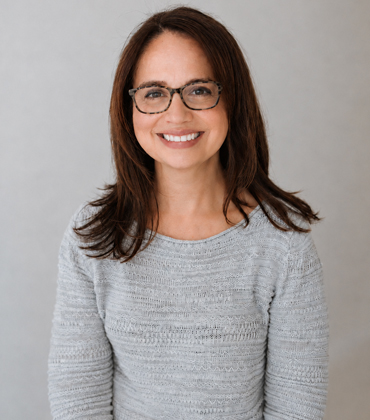 Kristy Pantano, Owner
Recovery in adult speech therapy is often structured around treating individual symptoms. Speech, swallowing and cognition may be addressed separately, even when patients experience them as a combined loss of independence. Speech Pathology Solutions treats these changes as interconnected, focusing on how they affect a patient’s ability to function in everyday life.
The practice positions quality of life as the defining measure of recovery. Rather than isolating clinical issues, care begins by understanding how those changes affect daily routines, social interaction and independence. Treatment is then designed around these real-life impacts. Therapy may involve improving swallowing safety, strengthening communication or supporting patients as they re-engage with daily activities. The practice also incorporates specialized approaches such as LSVT, SPEAK OUT!, VitalStim and orofacial myofunctional therapy, with each intervention aligned to functional outcomes rather than isolated clinical measures.
“With us, they’re not just seeing a speech therapist. They’re seeing somebody who is a teammate, in meeting their goals and improving their quality of life,” says Kristy Pantano, M.A. CCC-SLP- Owner/ Speech Language Pathologist.
That process is built not only on clinical evaluation but on trust. Patients often arrive feeling uncertain or vulnerable about changes they cannot fully control. Creating a warm, respectful and reassuring environment becomes part of the therapeutic process, helping them feel supported as they adapt to a new normal.
Understanding the Full Picture
The practice begins with a focused question: Why is the condition presenting this way? Clinical records, imaging and prior assessments provide one layer of insight. Direct patient interaction provides another. Together, they clarify patterns that may not be immediately visible.
 “We always go beyond visible symptoms to uncover contributing factors,” says Hailee Porricelli, M.S. CCC-SLP- Speech Language Pathologist.
This process includes reviewing medical history, identifying contributing factors and coordinating with other providers when needed to ensure therapy aligns with the patient’s broader clinical context.
Therapy plans are built around individual priorities. Goals may include improving conversational clarity, supporting safe swallowing or enabling participation in specific daily activities. Each plan reflects how the patient functioned prior to the condition and how they are adapting to current needs. Reduced ability to communicate or eat safely can limit participation in family and community interactions. Addressing these functional effects becomes part of the therapeutic process.
Where Coordination Drives Outcomes
A recent case involved a patient receiving voice therapy who had experienced recurring pneumonia over several years. Previous interventions had not identified a contributing factor. At Speech Pathology Solutions, a swallowing study was initiated, targeted exercises were introduced, and care was coordinated with a pulmonologist to address respiratory function.
Following this coordinated approach, the patient experienced improved clinical stability during that period. The outcome reflected the integration of swallowing function, respiratory strength and voice control into a unified plan. Such outcomes reinforce the practice’s whole-person approach, where success is measured by how patients function in daily life.
Extending Care beyond the Clinic
Speech Pathology Solutions has expanded its model to improve access and awareness. Telehealth services were introduced during the COVID-19 period to maintain continuity of care. Home-based services extend support to patients who may have difficulty traveling.
 The practice also conducts educational sessions at libraries and senior centers, focusing on conditions such as Parkinson’s disease and aphasia. These sessions are offered free of charge, helping individuals and caregivers recognize when speech therapy may be appropriate. It develops educational resources to address awareness gaps. Many patients do not initially recognize that speech therapy can support swallowing, voice or cognitive challenges. Providing that awareness enables earlier engagement and more consistent care.
Speech Pathology Solutions’ recognition as Top Adult Speech Therapy 2026 reflects a clinical approach focused on supporting function, independence and consistent care delivery. Success is reflected in how patients maintain independence, continue participating in daily activities and remain engaged within their communities.
“We want to optimize their quality of life. That’s our number one goal,” says Sara Brogan, M.S. CCC-SLP, Speech Language Pathologist.
What Should Patients Understand About Adult Speech Therapy Clinics?
Adult Speech Therapy Clinics support adults whose communication, swallowing, voice or cognitive skills have changed after illness, injury or neurological disease. Good care should not stop at a sound, word or swallow test. It should connect therapy goals to daily life: eating safely, joining conversations, speaking clearly, remembering instructions and staying active at home or in the community. The best starting point is a practical question: what has become harder for the person to do?
How Does Speech Pathology Solutions Approach Adult Care?
Speech Pathology Solutions approaches Adult Speech Therapy Clinics care as support for the whole person, not just a set of symptoms. Clinicians review medical history, imaging and previous assessments, then develop treatment plans that reflect both the patient’s prior abilities and everyday routines. When swallowing, breathing, voice or cognitive challenges overlap, the practice works closely with other providers to ensure care is aligned across the full clinical picture. This is especially important when issues such as aspiration risk can influence not only physical health but also comfort, confidence and overall stability.
What Conditions May Adult Speech Services Address?
Adult Speech Therapy Clinics help people with aphasia, dysarthria, apraxia of speech, dysphagia, voice disorders, stuttering, cognitive-linguistic challenges and Parkinson’s-related speech changes. Therapy can also support those affected by dementia, stroke, aspiration risk or vocal weakness. Treatment plans are tailored to the individual’s condition, stamina and goals. Progress may mean clearer speech, safer swallowing, stronger voice use or greater participation in daily and family life.
Why Do Specialized Therapy Methods Matter?
Specialized methods can give therapy more structure when a patient has a defined swallowing, voice or neurological need. Adult Speech Therapy Clinics should be able to explain why a method fits the person, not just the diagnosis. A good evaluation looks at safety, carryover at home, how often exercises should be practiced and when progress should be reviewed with the patient or caregiver. Therapy becomes more useful when the clinical method is tied to a measurable daily function.
How Does Speech Pathology Solutions Extend Care beyond the Clinic?
Speech Pathology Solutions gives Adult Speech Therapy Clinics broader access model through telehealth, home-based services and community education. It also uses approaches such as LSVT, SPEAK OUT!, VitalStim and orofacial myofunctional therapy when they match the patient’s functional goals. Free sessions at libraries and senior centers on Parkinson’s disease and aphasia help adults and caregivers recognize when speech therapy may be appropriate. That kind of outreach can shorten the gap between noticing a change and asking for help.
How Can Families Evaluate Access and Continuity?
Consistent access to therapy is important, especially for stroke recovery or conditions that require close monitoring of swallowing safety. Adult Speech Therapy Clinics may provide in-clinic appointments, telehealth sessions or home-based care depending on a patient’s needs and mobility. Families should understand what happens when travel becomes difficult, how exercises are managed at home and how progress is communicated with caregivers and physicians. The right provider supports patients between appointments, making therapy easier to maintain outside the clinic as well.
