A featured contribution from Insights: a curated forum reserved for leaders nominated by our subscribers and vetted by our Medical Care Review Advisory Board.
Geisinger
Dr. Anne Morse, Director, Division of Pediatric Sleep Medicine
Transforming Healthcare Delivery: Embracing Innovation and Technology
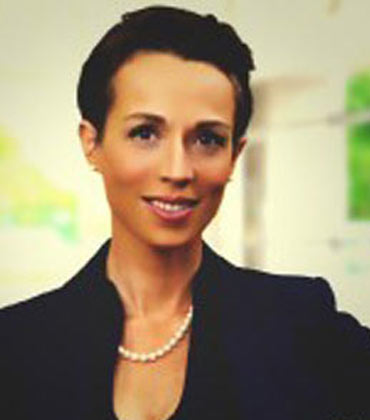
Dr. Anne Morse
In an interview with MedTech Outlook, Dr. Anne Morse, the Director of Child Neurology and Pediatric Sleep Medicine at Geisinger, discusses the various initiatives, including the "Wake Up and Learn" and "Safe to be Well" programs, which utilize cutting-edge technology to improve continuous care delivery. Dr. Morse foresees emerging trends in healthcare, such as centralizing resources, delivering care outside traditional settings, and the importance of embracing change for better outcomes. She advises budding professionals to embrace novel approaches and be open to change for improved results in healthcare.
What are your current roles and responsibilities within your organization?
In my current capacity at Geisinger, I hold various roles entailing various responsibilities. Specifically, I serve as the Director of Child Neurology and Pediatric Sleep Medicine. I assume the position of Program Director for the Child Neurology Residency Program. I oversee the child neurology clerkship for medical students and residents from different specialties who rotate within our department. In addition to these obligations, I actively collaborate with the Seal Institute for Innovation, assuming the role of Clinical Lead in numerous innovative initiatives on pediatric care.
As an industry leader, what changes have you witnessed over time, what challenges do leaders in this field currently face, and what emerging trends address these challenges?
The field of medicine has undergone significant evolution, particularly in terms of increased understanding and complexity. Notably, in neurology, there has been a remarkable progression from a time of limited diagnostic capabilities to an era of extensive interventions and precision medicine. Despite these advancements, clinicians' time constraints remain unchanged, leading to unrealistic expectations of comprehensive knowledge and expertise. This has resulted in a rise of highly specialized practitioners, leading to regional disparities in access to care.
Consequently, the focus in medicine has shifted towards improving access, addressing social determinants of health, and promoting diversity, equity, and inclusion. Efforts are being made to transition from fee-for-service models to value-based care, emphasizing outcomes rather than radically altering the existing delivery methods. However, a significant barrier persists in episodic and synchronous care delivery, needing a continuous care model. To bridge this gap, there is a need for asynchronous care and effective communication, allowing for timely and comprehensive care delivery, compensating providers for their expertise, and filling knowledge gaps within communities. Technological advancements are being explored to address these challenges, but the current landscape predominantly consists of episodic or point solutions rather than a holistic approach to continuous care.
Could you provide insights into any ongoing project initiatives within your purview where you strategically utilize cutting-edge technology to address the challenges effectively?
I want to discuss two independent yet related programs, "Wake Up and Learn" and "Safe to be Well," which I have spearheaded. These initiatives align with my strong emphasis on continuous care delivery, empowering individuals to be actively engaged and educated in their healthcare journeys. In 2019, I conceptualized "Wake Up and Learn," a virtual school-based program focused on sleep education and screening. The program's primary objective was not limited to serving our local catchment area at Geisinger but aimed to establish a successful model that could be scaled nationwide. By providing ongoing education and personalized feedback, we observed a significant impact on individual actions, behavioral changes, and self-identification of potential issues, enabling informed decisions regarding further intervention or support. Building upon this success, we expanded the program's reach to middle schools, high schools, colleges, faculty, medical professionals, and residents. Leveraging automation, the program ensures seamless virtual delivery, including automatic feedback, guided resource provision, and collecting relevant information for synchronous care visits. The positive outcomes and automated features of "Wake Up and Learn" led us to develop a complementary program called "Safe to be Well."
“Innovation and collaboration are the driving forces behind the future of healthcare. By embracing cutting-edge technology, prioritizing continuous care, and reimagining traditional delivery models, we can revolutionize patient outcomes and create a more accessible and equitable healthcare system."
This integrated initiative operates within our clinical enterprise and health plans, eliminating barriers to identifying health concerns and appropriate healthcare providers. It seamlessly integrates with the individual's chosen care platform, offering immediate feedback and guidance, all while contextualizing collected data to prioritize the person's unique needs. As an illustrative example, we implemented this program within our child neurology department, recognizing the significant prevalence of sleep disorders among children with neurological conditions. By providing asynchronous delivery and facilitating screenings during clinic visits, we have observed high levels of participation, completion, and identification of sleep-related pathology. Structured interviews have revealed that many patients and families were previously unaware or uncertain about raising their concerns, highlighting the program's role in increasing awareness and facilitating collaboration between patients, families, and the clinical care team.
How do you anticipate that technology advancements, evolving practices, and significant shifts in the healthcare industry will shape its future?
When considering the industry's trajectory, a notable example is the Geisinger and Kaiser Permanente relationship. Kaiser Health has acquired Geisinger Medical Center to advance its shared mission of achieving value-based outcomes through innovation. This partnership signifies a trend towards centralizing resources to enhance understanding patient care experiences and disease states, leading to improved predictive analytics and early interventions. While automation will play a role in reducing errors, it will not replace the importance of physicians and human interaction.
The future will witness an increased focus on delivering care outside traditional healthcare settings, such as in the community or patients' homes, leveraging remote patient monitoring, therapeutic monitoring, and at-home diagnostics. Technologies like the Waverley application for remote diagnostics in general pediatrics exemplify this shift, offering convenience, optimal outcomes, and increased access to care while minimizing barriers based on age, gender, location, or socioeconomic status. However, the main challenge lies in ensuring the financial sustainability of these advancements, as they often entail costs and require reimbursement. Addressing this obstacle will be crucial for achieving widespread implementation and success.
What is your advice for budding professionals in the field?
My primary advice to fellow professionals would be to embrace a different approach to healthcare delivery without fear. A commonly shared notion emphasizes that artificial intelligence will not replace jobs, but the people who utilize artificial intelligence will do so. This highlights the beginning of an opportunity to improve our current practices significantly. By being open to novel approaches that may differ from our traditional training, we can achieve better professional satisfaction, improved patient outcomes, and a healthier work-life balance. Instead of resisting change, which can be intimidating, I encourage considering alternative methods that have been extensively studied and proven to yield superior results.