




Fremont, CA : Imagine a world where your body can heal, restore damaged tissues, regenerate cells, and give you a new lease on life. This is not a futuristic dream but the transformative reality of regenerative medicine. As healthcare evolves, regenerative medicine is reshaping how we approach injuries, chronic conditions, and aging, offering personalized solutions beyond traditional treatments.
Regenerative medicine harnesses the body's natural ability to heal. Utilizing advanced therapies like stem cells, tissue engineering, and platelet-rich plasma (PRP) repairs and regenerates previously considered irreparable tissues. Whether you've suffered an injury, are dealing with joint pain, or want to recover from a degenerative condition, regenerative medicine offers new healing possibilities.
The best part? These treatments are minimally invasive, so they have faster recovery times and less discomfort compared to traditional surgeries or prolonged medication use. Imagine recovering from a sports injury or alleviating chronic arthritis pain without extensive downtime. For busy individuals balancing work and family, this approach can be life-changing.
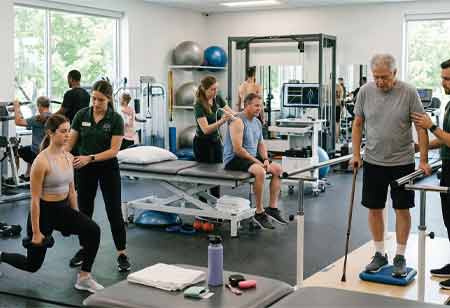
Who can benefit from regenerative medicine? Its broad clinical applications make it relevant for diverse patient populations seeking alternatives to conventional treatments. Whether an athlete aiming for faster recovery, an individual managing chronic conditions such as osteoarthritis or tendon injuries, or someone addressing age-related degeneration, regenerative medicine offers evolving therapeutic options. Accelerated Care Solutions provides coordinated nurse triage services and patient-centered care support to enhance treatment accessibility and response efficiency. Elder Care Review awarded it Nurse Triage Services of the Year for operational responsiveness, clinical coordination, and patient support excellence. These developments reflect a growing shift toward personalized care pathways designed to support recovery, functional improvement, and long-term health outcomes across varying needs.
The key to success lies in tailoring these therapies to individual needs. By consulting with medical professionals specializing in regenerative medicine, you'll receive a personalized treatment plan designed to address your unique health concerns. The goal isn't just temporary relief; it's long-term healing and improved quality of life.
As they gain popularity, these treatments become increasingly available to patients, not just athletes or celebrities. With continuous advancement, the future of regenerative medicine is more promising. It can cure diseases and extend human life expectancy.
Regenerative medicine offers a new view of healthcare. It does not deal with merely managing symptoms but returns your body to its natural healthy state and energy. When choosing regenerative medicine, you invest in your well-being and a brighter, healthier future.
If you ever dreamed of a solution that worked in harmony with your body instead of against it, then regenerative medicine might be your answer. The future of healthcare has finally arrived and is all about giving hope and healing back to you.
...Read more
Concierge Services: Making Daily Life Effortless and Convenient
Thursday, July 16, 2026