
Thank you for Subscribing to Medical Care Review Weekly Brief


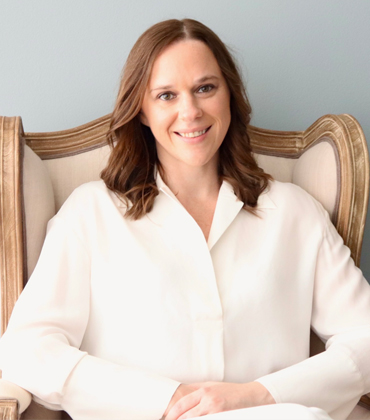 Merrianna Holdeman, LPCC, Owner
For many women, anxiety is not limited to moments of worry or stress. It can appear as perfectionism, constant overthinking, people-pleasing, emotional exhaustion, and the pressure of trying to manage every responsibility at once. In some cases, women may also be misdiagnosed or treated only for anxiety when undiagnosed ADHD, trauma, or nervous-system dysregulation may be contributing to their symptoms.
Based in Ohio, Merrianna Holdeman Counseling helps women look beyond surface-level diagnoses to better understand the experiences shaping their mental health.
Owner Merrianna Holdeman, LPCC specializes in supporting women with anxiety, trauma responses, and ADHD-related challenges, using a personalized approach that incorporates EMDR and somatic therapy. These methods help them process difficult experiences while recognizing how stress and trauma affect both the mind and body.
Understanding the Root of Anxiety
Many clients come to the practice during significant life transitions, including changes in relationships, parenting responsibilities, careers, or after experiencing trauma.
Over time, these challenges can contribute to burnout and a feeling of being unable to keep up with everyday life. Holdeman often sees women who have spent years trying to understand why they feel overwhelmed, only to discover that there may be deeper factors influencing their anxiety.
The practice also works with women who may have been overlooked when it comes to ADHD. Holdeman explains that ADHD in women can often look different from traditional presentations, and many women are left searching for answers after being treated only for anxiety.
A Personalized Approach to Therapy
At Merrianna Holdeman Counseling, therapy is not based on a single formula. Each client’s experiences, needs, and goals shape the direction of treatment. Holdeman begins by helping clients understand how their thoughts, emotions, and physical responses are connected.
A key part of this process involves educating clients about the nervous system and how anxiety and trauma can influence the body. Rather than focusing only on thoughts, the practice incorporates somatic therapy to help clients recognize and regulate physical responses connected to stress.
“I really try to meet each client where they’re at, and I don’t walk in with an agenda or a fixed list of tools that I use for each person. I tailor my approach to their specific needs,” says Holdeman. This individualized approach allows therapy to be adapted based on what each person needs at that stage of their healing journey.
Combining EMDR with Somatic Therapy
One of the areas that distinguishes Merrianna Holdeman Counseling is its use of EMDR and somatic therapy alongside traditional counseling. Many clients arrive after previous therapy experiences where they gained insight but still felt stuck. By combining different approaches, the practice helps clients address both the emotional and physical effects of anxiety and trauma.
EMDR can help clients reprocess difficult memories and beliefs that continue to affect their present experiences. For example, someone may logically understand that they are safe or worthy but still struggle to feel that truth emotionally. EMDR helps bridge that gap by allowing the brain and body to process those experiences differently.
Somatic therapy adds another layer by focusing on how stress and trauma are held within the body. Holdeman believes this connection is essential because many clients continue feeling stuck when therapy addresses only thoughts and emotions without considering physical responses.
Looking toward the Future of Women’s Mental Health
As awareness around women’s mental health continues to grow, Merrianna Holdeman Counseling is expanding its areas of focus. Holdeman is pursuing further training in somatic experiencing and exploring additional approaches, including Internal Family Systems, to continue strengthening the support available to clients.
The practice also continues to explore the relationship between mental health and overall wellness. Holdeman considers factors such as thyroid health, hormones, gut health, and vitamin deficiencies as possible contributors that may influence how women experience anxiety.
By combining individualized counseling, trauma-informed techniques, and a whole-person perspective, Merrianna Holdeman Counseling offers women a different way to approach anxiety. The practice is not focused only on helping clients cope with symptoms but on helping them understand themselves, reconnect with their bodies, and create meaningful change.
For women who feel that something is missing from traditional approaches, Merrianna Holdeman Counseling provides a supportive environment where healing is approached with curiosity, compassion, and care.
What Are Women’s Anxiety Therapy Practices Designed to Address?
Women’s Anxiety Therapy Practices focus on anxiety as it shows up in everyday life, including persistent worry, overthinking, perfectionism, people-pleasing, emotional exhaustion and difficulty balancing competing responsibilities. Care may also consider experiences that can intensify anxiety, such as trauma, major life changes or attention-related challenges. The aim is not simply to reduce isolated symptoms. It is to understand patterns that may be affecting emotional well-being, relationships and day-to-day functioning, then shape therapy around the person’s history and treatment goals.
How Does Merrianna Holdeman Counseling Approach Anxiety in Women?
Merrianna Holdeman Counseling looks beyond surface-level symptoms when working with women experiencing anxiety, trauma responses and ADHD-related challenges. Within Women’s Anxiety Therapy Practices, its model combines traditional counseling with EMDR and somatic therapy. That gives clients space to explore thoughts and emotions while also paying attention to physical responses linked to stress and trauma. Treatment is individualized around each client’s experiences, concerns and goals rather than relying on a single method for every person.
Which Therapy Methods Can Support Women Whose Anxiety Feels Persistent?
Persistent anxiety may call for more than one therapeutic approach, especially when worry is connected to longstanding coping patterns or unresolved experiences. Women’s Anxiety Therapy Practices may combine counseling with methods that address both emotional and physical responses to stress. EMDR can help clients work through distressing memories and beliefs, while somatic therapy brings attention to bodily responses and nervous-system regulation. The right mix depends on the individual’s history, preferences and treatment goals, so flexibility in care can matter as therapy progresses.
What Should Someone Look for in Women’s Anxiety Therapy Practices?
A useful starting point is whether care feels individualized rather than standardized. Women’s Anxiety Therapy Practices should be able to explain how therapy may address anxiety alongside related concerns, how treatment methods are chosen and how goals can shift over time. Fit also matters. Clients may need a setting where difficult experiences can be discussed openly and where expectations are clear from the beginning. The quality of care often depends as much on that therapeutic relationship as on the specific method being used.
How Does Merrianna Holdeman Counseling Connect Anxiety with Trauma and ADHD?
Merrianna Holdeman Counseling works with women whose anxiety may overlap with trauma responses or ADHD-related difficulties. In the context of Women’s Anxiety Therapy Practices, it uses individualized counseling alongside EMDR, somatic methods and education about how the nervous system can shape emotional and physical responses to stress. This broader view can be useful for clients who have felt overwhelmed for years or whose earlier treatment focused mainly on anxiety without fully addressing other patterns affecting daily life.
Why Can a Whole-Person View Matter in Anxiety Care for Women?
Anxiety does not always stay confined to recurring thoughts of worry. Women’s Anxiety Therapy Practices may consider emotional patterns, physical reactions, past experiences and current life pressures together rather than treating each concern in isolation. A whole-person view can help clarify why certain responses persist and where therapy may need to focus. It also gives clients and therapists a more connected way to discuss what is happening, what treatment is addressing and what realistic progress may look like over time.
