A featured contribution from Insights: a curated forum reserved for leaders nominated by our subscribers and vetted by our Medical Care Review Advisory Board.
Vascular Surgery Memorial Healthcare System.
Sonya N. Tuerff, MD, MBA, FACS, FSVS, DABS, RPVI, CHCQM, Medical Director
Understanding Peripheral Artery Disease, Warning Signs, and Treatments
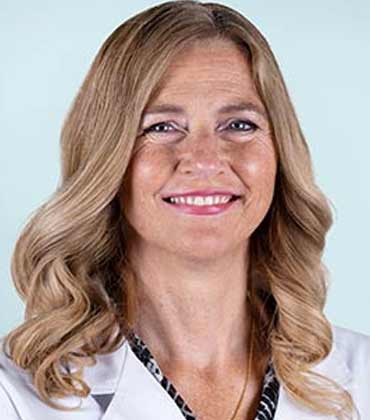
Sonya N. Tuerff
Vascular Care AuthorityDr. Sonya N. Tuerff is a vascular and endovascular surgeon within Memorial Healthcare System in Pembroke Pines, Florida. She currently serves as medical director in the Department of Vascular Surgery, a group of nine talented vascular surgeons. Her passion for providing comprehensive vascular care aligns with Memorial’s Cardiac and Vascular Institute’s commitment to excellence.
Memorial Cardiac and Vascular Institute is the only American College of Surgeons Vascular Verified Program in Florida. It was the first to perform the TAMBE procedure in South Florida, the first percutaneous femoral bypass (Detour Procedure), and utilizes both leading-edge technologies and traditional procedures to deliver optimal care and results for vascular patients in South Florida.
Vascular and endovascular surgery has evolved from the relatively simple process of suturing bleeding vessels to control hemorrhaging to now intervening within the arteries and veins using catheters and wires as small as human hair. At the forefront of medical innovation, we routinely perform procedures that combine open and endovascular techniques, utilizing advanced imaging technology to enhance the visualization of arterial and venous flow. This enables us to identify abnormalities earlier.
Today, vascular surgery encompasses all the blood vessels in the body on the arterial and venous side, with the exception of the brain and heart. Common conditions treated are aneurysms, carotid disease, venous diseases, blockages, and trauma. The precision and knowledge of how to apply new treatments in the proper manner merge art and science in the care of these complex conditions.
Peripheral Artery Disease
A progressive atherosclerotic disease, Peripheral Artery Disease (PAD), is characterized by one or more peripheral arteries, typically in the lower limbs, being partially or completely obstructed. PAD afflicts more than ten million people in the United States, with arterial blockages developing from the same factors that cause heart disease: hypertension, high cholesterol and triglyceride levels, diabetes, smoking, sedentary lifestyle, family history, obesity, and advanced age.
Symptoms, such as pain in the calf when walking short distances, pain at night in the feet, and wounds with delayed healing can be present with fairly advanced disease. Some patients have more subtle findings, such as darkening of the skin. Some patients are without symptoms until a wound has progressed.
The cost of these maladies is high, with PAD being the main cause of non-traumatic leg amputations. Below-knee amputation rates rose from eight per 100,000 in 2010 to 13 per 100,000 by 2021; above-knee amputation rates increased from six per 100,000 in 2012 to eight per 100,000 in 2021. Today, more than 5.6 million people are affected by limb loss, equal to approximately 1.6% of the U.S. population.
“I will prevent disease whenever I can, for prevention is preferable to cure.”
Underdiagnosis of PAD contributes to delayed or missed opportunities for interventions, with chronic disease progression, health disparities, disruptions due to COVID-19, and socioeconomic considerations (ex: access to insurance) all being factors. Of the approximately 15,000 leg amputations performed each year in the U.S., African-Americans, Native Americans, residents of rural areas, and those of low socioeconomic status are at the highest risk. And yet many people, even some clinicians, remain unaware of the disease and its devastating impact on individuals, families, and communities.
The Role of Prevention and Early Intervention
To reverse these troubling numbers, we must focus on prevention, early intervention, and limb preservation. Thankfully, advances in the last ten years have profoundly changed the way we treat Peripheral Artery Disease, each of them helping us prevent lost limbs and lives:
• Newer treatments for diabetes, high blood pressure, and cholesterol, combined with increased use of blood thinners, are slowing the progression of disease. With targeted therapy, patients can stay healthier and avoid further intervention.
• Advances in diagnostic procedures that include ultrasounds, MRA, CTA, and angiograms
• Procedures such as percutaneous femoral bypasses (Detour Procedure) and Deep Vein Arterialization (Lim Flo)
• Specialty procedures with advanced technology, including intravascular ultrasound (ultrasound from within the artery or vein), are being used to help direct therapy and treatment and sizing.
• Specialty balloons for treatment are being coated with medications to help prevent scarring within the treated area. Other balloons use sound waves or intravascular lithotripsy to break up hardened, calcified blockages (Shockwave).
• Newly developed dissolvable stents have helped improve the patency of treated areas without risk of stent fracture or collapse.
• Specialty atherectomy catheters remove plaque, while other catheters remove or dissolve clots with vacuums and emulsifying techniques.
• Recent payment approvals for ArtAssist® compression pumps help patients access equipment to regenerate arterial flow in small blood vessels.
• Advances in wound care with many specialty dressings, wound coverings, and Hyperbaric Oxygen Treatment
The specialties of vascular and endovascular surgery are highly technology-dependent fields. Advances in imaging and interventions have increased our opportunities to help heal wounds and save lives.
However, the best diagnostic and technological advances aren’t helpful if the disease process remains under identified. As per our Hippocratic oath: “I will prevent disease whenever I can, for prevention is preferable to cure.”