Thank you for Subscribing to Medical Care Review Weekly Brief
A featured contribution from Insights: a curated forum reserved for leaders nominated by our subscribers and vetted by our Medical Care Review Advisory Board.

Hospital Sírio-Libanes
Primary Health Care Management in the Latin American Region
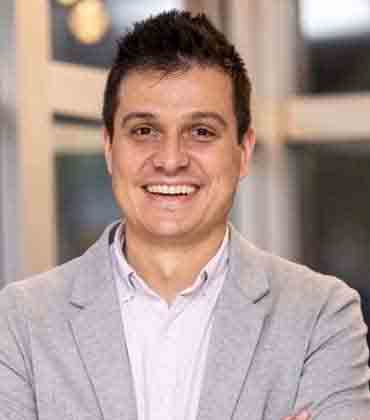
Daniel Greca
1. What are your day-to-day responsibilities as Business Unit Director of Population Health Management (PHM) at Hospital Sírio-Libanês?
Our PHM Business Unit is relatively new, considering that we started 6 years ago and that we are a 100-year-old institution. We were pioneers envisioning an opportunity that the healthcare sector would move towards care coordination, primary care, digital solutions and new business models. In that sense, the day-to-day responsibilities are making sure that we have the necessary resources – regarding digital tools, people, research, among others - applying our strategy into practice, delivering what our patient, corporate clients and healthcare professional need. In addition to it, and given how our market understanding and readiness for primary care services are still quite low, a constant effort to educate the market as well as a value proposition review are key in order to keep up with the market or even drive it.
2. What is your role at Hospital Sírio-Libanês in managing the projects? Could you shed light on the major pain points you are resolving?
Our goal with the PHM Business Unit is to understand what patients want and deliver what they really need. We truly believe that this is achievable if our projects are deeply related to our strategic pillars we are based on, which are: Science, Digital, CX, People, Data Intelligence and Operational Excellence. So all of the projects we are managing are connected to these pillars. In terms of pain points, from a payer or employer perspective, we focus on delivering great outcomes using a strong primary care service reducing population healthcare costs.
3. Why is Primary Care something that the private sector in Brazil struggles with?
That is a great question and there is no simple answer for it. First, the private sector has only started investing in primary care not so long ago. Therefore, we are still developing new care models and learning from our mistakes and failures. Secondly, we have failed in educating our people about what value in healthcare really is. Patients do not understand they are responsible for their own health and that, in healthcare, a large provider network, high reimbursements and nice facilities are far from being enough to sustain the system or a patient’s health conditions.
The articles from these contributors are based on their personal expertise and viewpoints, and do not necessarily reflect the opinions of their employers or affiliated organizations.
