Thank you for Subscribing to Medical Care Review Weekly Brief


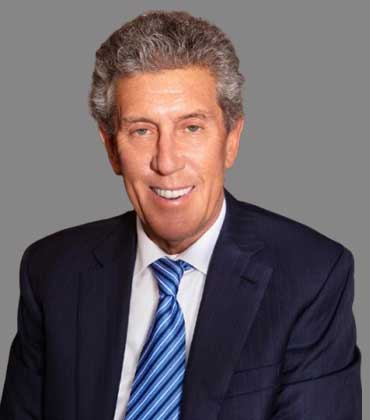 Hal Waldman, Owner
When families begin to question the care a loved one receives in a nursing home, they often don’t know whether they’re witnessing an unfortunate situation or genuine negligence. Answering that question requires not just legal knowledge, but someone who understands how nursing homes actually operate.
That perspective defines Hal Waldman & Associates. Before building a legal practice focused on nursing home abuse and neglect, Hal Waldman, owner of the firm, spent 45 years owning and operating nursing homes, personal care homes, and memory care facilities. As public awareness of nursing home abuse grew, that operational background combined with his civil litigation experience placed him in a unique position to evaluate these complex cases. It also led to regular requests to serve as an expert witness, further reinforcing the depth of knowledge he brings to families seeking answers.
Today, that firsthand experience continues to shape how the firm evaluates cases and guides families through some of life’s most difficult decisions.
“Families often come to us looking for answers before they’re looking for a lawsuit. My job is to help them understand what happened, what their options are and whether the facts support a legal claim,” says Waldman.
Many people arrive convinced they have a strong legal case because they have witnessed poor care or a loved one’s decline. Waldman approaches those conversations differently. Rather than making immediate promises, he begins by helping families understand the difference between dissatisfaction and legally actionable negligence. Every situation is distinct and determining whether a facility failed to meet its duty of care requires careful review of the facts, medical records, and the circumstances surrounding the resident’s treatment. Waldman says the firm remains available to clients 24/7 and emphasizes a family-like approach to representation, reflecting his belief that legal guidance alone is not enough when families are navigating emotionally difficult circumstances.
Knowledge That Extends Beyond Litigation
Experience inside senior care also shapes every stage of representation after the initial consultation. Medical records form the foundation of each investigation while artificial intelligence assists the review process before practitioners examine the evidence and determine whether the medical standard of care was violated.
Clients pay no upfront legal fees because the firm advances litigation costs, which gives families access to experienced representation regardless of financial circumstances. Personal relationships also remain central, as the attorneys handle each case from start to finish and remain available whenever questions arise. The client-focused approach is reflected in the firm’s casework. A recent case involved a resident with severe bed sores whose family believed they had no option except staying in the same facility. The firm explained Medicaid rules, helped move the resident to another home, and pursued the legal claim. For Waldman, helping families make informed decisions is just as important as pursuing financial compensation and that kind of guidance doesn’t end with a single case.
The firm also encourages relatives to recognize the warning signs of neglect, including repeated falls, unanswered call systems, medication mistakes, residents left in urine, chronic understaffing, and poor inspection histories because those indicators often point to broader problems with the quality of care. That emphasis on education and individualized advocacy has also contributed to the firm’s recognition as the Top Nursing Home Abuse Law Firm for 2026.
Beyond individual verdicts or settlements, the firm hopes its work encourages facilities to strengthen resident safety and accountability. As the population ages and scrutiny of long-term care continues to intensify, families will face increasingly difficult decisions about where and how their loved ones receive care. Waldman has built his practice around helping them navigate those decisions with the perspective of someone who understands both the law and the realities of the system itself.
What Services Do Nursing Home Abuse Law Firms Provide?
Families that suspect mistreatment in a long-term care facility frequently require assistance figuring out whether subpar treatment qualifies as legal negligence. Medical records are examined, facility procedures are looked into, and potential care standard violations are evaluated by nursing home abuse law firms. Attorneys may consult experts, make settlements, or pursue cases in court, depending on the facts. In addition, they are responsible for educating citizens about their rights and assisting families in understanding their legal choices, especially when an injury raises concerns about the standard of treatment received.
How Does Hal Waldman & Associates Approach Nursing Home Negligence Cases?
Decades spent running senior care facilities give Hal Waldman & Associates an understanding of how care decisions are made. Hal Waldman spent 45 years managing nursing homes, personal care homes and memory care facilities before focusing on abuse and neglect litigation. That experience helps the firm examine care records, identify possible failures and assess whether facility practices contributed to an injury. Among Nursing Home Abuse Law Firms, its background in facility management brings a practical perspective to investigating negligence claims.
What Warning Signs May Indicate Nursing Home Abuse or Neglect?
Unexplained injuries, recurring falls and worsening pressure sores can raise serious concerns about a resident’s care. Families may also notice poor hygiene, medication errors or delays when residents request assistance. Nursing Home Abuse Law Firms examine these warning signs alongside staffing conditions, inspection findings and available care records. No single incident necessarily proves negligence. Repeated problems, however, may point to gaps in supervision or treatment that deserve investigation, especially when a facility cannot adequately explain what happened.
Why Is Medical Evidence Important in Nursing Home Abuse Litigation?
The medical history of a resident can provide information about how an injury occurred and if the right care was provided. To create a timeline and spot any lapses, attorneys review treatment notes, incident reports, and care documents. In order to analyze clinical results and determine if care fell short of accepted standards, nursing home abuse law firms may also seek the advice of qualified experts. Because an injury by itself does not prove negligence, medical proof is important. The documentation must aid in differentiating between difficulties that happened despite receiving the proper care and harm that may have been avoided.
How Does Hal Waldman & Associates Support Families Throughout Legal Proceedings?
Legal proceedings can become particularly difficult when families are also arranging safer care for a loved one. Hal Waldman & Associates addresses both concerns. It uses artificial intelligence for preliminary medical record reviews, followed by professional evaluation, and advances litigation expenses without requiring upfront legal fees. In a case involving serious pressure sores, it also helped a family understand Medicaid requirements and relocate a resident. Such assistance shows how Nursing Home Abuse Law Firms may address immediate family concerns while pursuing legal claims.
What Should Families Consider When Choosing Legal Representation for Nursing Home Abuse?
Experience with elder care litigation is important, but families should also understand how an attorney investigates complaints and handles medical evidence. Nursing Home Abuse Law Firms differ in their familiarity with facility practices, access to expert consultation and approaches to resolving disputes. Families should ask about legal fees, communication during proceedings and experience with settlements and trials. Clear answers help establish realistic expectations, especially when decisions about a legal claim must be made alongside concerns about a resident’s safety and continuing care.
