
Thank you for Subscribing to Medical Care Review Weekly Brief


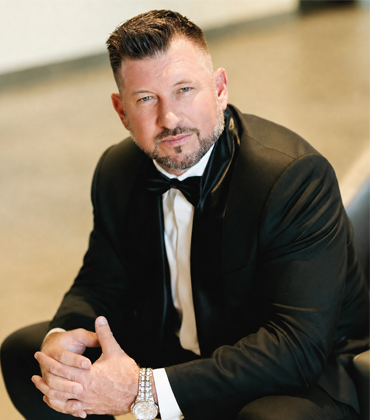 Jim Nance, Co-Founder and Wellness Coach
Six months changed everything for one patient. A 64-year-old man arrived at Endless Vitality, a hormone and wellness clinic, carrying excess weight, struggling with low energy, poor hormone balance, and a metabolic age. Half a year later, he had lost nearly 30 pounds, cut his body fat by more than half, gained eight pounds of lean muscle, and reduced his metabolic age from 64 to 46. Yet the most remarkable part of the story wasn’t the transformation itself, it was how it happened.
Endless Vitality combines physician-guided testosterone evaluation and hormone optimization with functional medicine principles, lifestyle coaching, advanced diagnostics, and ongoing health monitoring to create personalized care plans. Rather than prescribing testosterone therapy using a one-size-fits-all approach, physicians evaluate symptoms alongside comprehensive laboratory testing before determining whether testosterone therapy or another treatment pathway is appropriate.
Every new patient begins with a one-on-one conversation with co-founder and wellness coach Jim Nance, who learns about their symptoms, daily habits, medical history, and long-term goals before sharing those insights with the physician. This allows the physician to assess not only laboratory values but also how the patient is actually feeling before developing an individualized treatment plan.
“We use LabCorp’s nationwide network, so patients across 48 states can complete their blood work close to home,” says Jim Nance, co-founder and wellness coach. “Once those results come in, we set up a telehealth appointment with the physician, who reviews the results and creates a plan of care.”
Depending on each patient’s needs, those plans may incorporate hormone optimization, lifestyle interventions, peptide therapy, genetic testing, and other functional wellness strategies.
What those plans ultimately include depends on the clinic’s clinical evaluation rather than a standard protocol. Physicians evaluate laboratory findings alongside the information gathered during the initial consultation before recommending a course of care. Symptoms remain an equally important part of that assessment. Even when hormone levels fall within a laboratory reference range, physicians also consider whether patients continue experiencing fatigue, poor recovery, reduced muscle gain, low libido or other symptoms before determining whether testosterone therapy is appropriate.
Hormone therapy is prescribed when it is clinically appropriate, but Endless Vitality does not treat testosterone as a universal solution. For younger patients, the physician may instead recommend lifestyle changes, detoxification, or therapies such as HCG or clomiphene that support the body’s natural hormone production before considering long-term testosterone replacement. By matching treatment to each patient’s needs, the clinic aims for sustainable improvements rather than relying on a single therapy.
Long-term success also depends on continuous guidance and accountability. Approximately six weeks after beginning treatment, patients complete follow-up laboratory testing so providers can evaluate progress review symptom changes, reassess hormone levels and adjust treatment when clinically appropriate. Local patients receive body composition assessments alongside laboratory trends that measure muscle mass, body fat, metabolic age, and other health indicators, providing objective evidence of change over time. At the same time, patients receive coaching on nutrition, exercise, sleep quality, recovery, circadian rhythm, and inflammation management, helping them build habits that support lasting results beyond the clinic.
 The relationship does not end once treatment begins. The team regularly checks in, celebrates progress when patients are succeeding and works through obstacles when they are struggling to stay on track, reinforcing accountability throughout the process.
Endless Vitality further personalizes care through advanced genetic testing and peptide therapy. Its genetic panel evaluates 199 biomarkers to identify inherited health predispositions, allowing providers to recommend targeted supplementation, nutrition strategies, laboratory monitoring, and preventive interventions before potential concerns become more significant. Peptide therapy complements this proactive approach when clinically appropriate, as part of broader care plans addressing concerns related to inflammation, mitochondrial health, and insulin resistance, enabling treatment plans to evolve depending on each patient’s physician-guided assessment.
The transformation that introduced this story reflects how these services work together. A patient’s program combined hormone optimization with NAD therapy, Sermorelin, and Tirzepatide, alongside structured nutrition, strength training, consistent sleep, sauna sessions, red light therapy, oxygen training, and grounding. His improved body composition and metabolic health were supported by regular follow-up, education, and accountability throughout the process, illustrating the clinic’s approach of combining multiple therapies rather than relying on a single intervention.
Endless Vitality encourages patients to take a proactive approach to their health by establishing a baseline through comprehensive laboratory testing, identifying potential concerns early and building sustainable daily habits that support long-term well-being. This patient-first philosophy has earned Endless Vitality recognition as a Top Testosterone Therapy Practice 2026, reflecting its emphasis on careful clinical evaluation, responsible hormone optimization and long-term patient support.
What Do Testosterone Therapy Practices Typically Provide?
Testosterone Therapy Practices evaluate whether hormone-related symptoms may be associated with clinically significant testosterone levels and determine whether treatment is appropriate. Care commonly begins with a review of medical history, symptoms and laboratory results rather than treatment based on symptoms alone. The goal is to establish an informed clinical picture and, when appropriate, develop a treatment plan that can be monitored and adjusted over time.
How Does Endless Vitality Approach Testosterone Therapy?
Endless Vitality begins its testosterone replacement process with medical intake and comprehensive bloodwork, followed by a consultation with a licensed medical provider. Its laboratory review can include total and free testosterone along with other relevant health measures. Testosterone Therapy Practices such as Endless Vitality use this information to help determine whether treatment is clinically appropriate and to develop an individualized plan rather than relying on an automated questionnaire or a one-size-fits-all protocol.
What Should Patients Look for When Evaluating Testosterone Therapy Practices?
Patients evaluating Testosterone Therapy Practices should consider how thoroughly the practice assesses hormone levels and overall health before recommending treatment. Important factors include laboratory testing, review by a licensed provider, individualized dosing where appropriate and ongoing follow-up. A practice should also explain the treatment process clearly and give patients an opportunity to discuss their health history, symptoms and questions before decisions are made.
Why Is Ongoing Monitoring Important During Testosterone Treatment?
Testosterone levels and individual responses can change over time, making follow-up an important part of care. Testosterone Therapy Practices may use repeat laboratory testing and provider consultations to review progress and determine whether a treatment plan remains appropriate. Ongoing monitoring also creates an opportunity to address questions, review changes in symptoms and make clinically appropriate adjustments instead of treating the initial prescription as a permanent, fixed solution.
How Can Convenience Be Built Into a Clinically Guided TRT Process?
Convenience can help patients complete testing and follow-up while staying connected to their provider. Testosterone Therapy Practices may offer access to local laboratories and telehealth consultations, allowing eligible patients to complete parts of the process without frequent in-person visits. At Endless Vitality, patients can get bloodwork, discuss their results with a licensed provider by video or in person, and, when treatment is prescribed, receive medication from licensed U.S. pharmacies, including delivery for eligible patients.
What Makes a Personalized Approach Important in Testosterone Therapy Practices?
A personalized approach recognizes that treatment decisions should be based on more than a single symptom or generalized expectation about aging. Testosterone Therapy Practices can bring together laboratory findings, medical history and provider evaluation when considering an individual's care. At Endless Vitality, the process includes a real provider consultation, individualized treatment planning when clinically appropriate and follow-up visits and labs to monitor care over time. This structure helps keep clinical evaluation and ongoing oversight central to the treatment process.
