
Thank you for Subscribing to Medical Care Review Weekly Brief
Medical Care Review: Specials Magazine
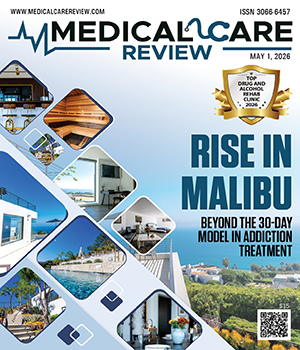
Rise in Malibu
Beyond the 30-Day Model in Addiction Treatment
Why is detox only the starting point in a comprehensive addiction recovery program Detox is often mistaken for addiction recovery. At Rise in Malibu, it is the starting point. The Malibu-based drug and alcohol rehabilitation facility is built around a physician-led structure that coordinates medical detox, psychiatric oversight and doctoral-level trauma therapy from the first day of admission. “It comes from the brain,” says Ron Finnerman, founder of Rise Rehab Treatment Centers. “The cure is not like getting your appendix out and going home. You can only achieve it through sustained recovery.” Addiction, he believes, is the only illness that routinely carries guilt, judgment and shame along with it. That stigma often pushes people into isolation, making early intervention more difficult and reinforcing the very behaviors they are trying to escape. In that isolation, self-medication becomes a coping mechanism. But the substance itself is rarely the core issue; 99 percent of the time, it is the effect—an attempt to manage distress that feels overwhelming or unresolved. If detox addresses the physical dependence without confronting what led to the pattern in the first place, the cycle simply resets. How does integrated treatment address both physical dependence and psychological drivers of addiction That belief defines the structure of Rise in Malibu’s program. From the first day of admission, treatment addresses both the physical dependence and the psychological drivers underneath it. Stabilizing the body is only one layer of it. Identifying and restructuring the patterns that led to self-medication is the larger objective. “Recovery, for us, is not measured by how someone completes detox,” says Finnerman. “It is measured by whether they can return to daily life without defaulting to the same coping mechanism.”
Gynecology
PACC Mental Health Services
A Doctoral-Led Approach to Complex Outpatient Mental Health Care
Amy Karamyan, President
How does doctoral-level training influence diagnosis and treatment in complex outpatient mental health care? In outpatient mental health care, the level of clinical training guiding diagnosis and treatment can significantly influence how complex cases are understood and managed over time. Doctoral-level psychologists receive extensive preparation in psychological assessment, differential diagnosis, and evidence-based treatment formulation—expertise that becomes particularly important when working with complex or long-standing mental health conditions. While many outpatient practices operate with mixed-credential clinical teams, PACC Mental Health Services has structured its care model differently. The organization delivers all psychological care exclusively through licensed doctoral-level psychologists, embedding advanced clinical expertise throughout every stage of treatment. Why was PACC structured to provide consistent doctoral-level psychological care for complex cases? The practice began taking shape while Amy Karamyan was completing her PhD, when her clinical work highlighted a gap in consistent doctoral-level outpatient care. Many patients entering treatment had complex clinical histories requiring deeper diagnostic evaluation and sustained clinical attention. In response, she established PACC with a structure designed to support long-term therapeutic engagement and comprehensive psychological oversight. “What stood out to me was how many patients were presenting with complex clinical histories that required deeper and more sustained attention,” says Karamyan, president. “PACC was designed so patients could receive consistent doctoral-level care and continuity over time.”
Dental Care
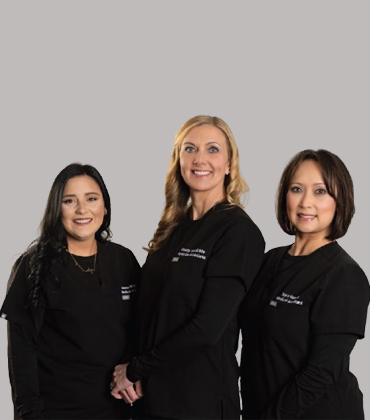
How does giving patients time to speak change hormone care experiences? “Through my clinical experience, I have found that women often take longer to trust their provider enough to share what is really going on with their bodies. Many patients feel rushed or interrupted when trying to explain their symptoms. My approach is to give them the floor so they can fully describe any and all of their concerns,” says Shasta Van Sickle, PA-C, owner. Remedi Health is built to earn that trust by designing care that gives patients the time and space to be fully heard. Why does Remedi Health use longer visits and deeper hormone testing? That philosophy shapes how perimenopause and menopause care is delivered. Remedi Health structures care through longer visits, deeper hormone testing and bioidentical therapy protocols designed to address root causes rather than manage symptoms. Van Sickle’s own hormone journey is central to how the clinic is built. After living through PCOS, a hysterectomy and a rapid hormone shift that made her feel as if she had aged decades in a matter of weeks, she designed the care structure she wished had been available to her, one that gives patients more time, clearer explanation and a path forward grounded in physiology. Remedi combines hormone care with a whole-body approach informed by experience in orthopedic and ICU settings. Treatment is guided by lab findings and patient education, while also addressing contributors such as nutrition and autoimmune factors. The clinic treats both men and women, with a significant portion of its care centered on hormone optimization for women.
Exquisite Dental Implant Center
Creating Lasting Smiles with Precision and Care
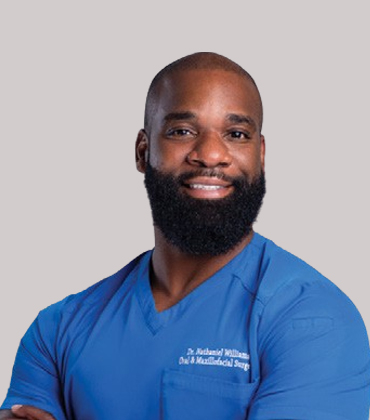
Dr. Nathaniel Williams, Founder, Lead Oral & Maxillofacial Surgeon
How does restoring dental health influence confidence, communication, and overall quality of life? A healthy smile influences how freely someone laughs, how comfortably they speak, and how confidently they show up in everyday moments. Dental health and self-assurance are closely connected, and when challenges arise, the emotional impact can run as deep as the physical effects. At Exquisite Dental Implant Center, restoring a smile is seen as an opportunity to restore the sense of ease and assurance that defines quality of life. What philosophy guides patient experience from consultation through recovery at Exquisite Dental Implant Center? The center approaches care with a combination of clinical precision and personal attention. Patients are welcomed into an environment where they are met with respect, empathy, and the time to share their concerns. This philosophy reflects a broader mission to enhance lives through innovative implant solutions and thoughtful care. From the first consultation through recovery and follow-up, the goal is to create a smooth, comfortable journey that reflects genuine attentiveness to individual needs. “Many patients tell us they finally feel heard here, and that connection matters because this is a life-changing investment for them,” says Dr. Nathaniel Williams, lead Oral and Maxillofacial Surgeon. How are full-arch implant restorations performed to restore function and aesthetics? Much of the practice’s work centers on complex restorations, particularly for individuals whose teeth are severely compromised or no longer restorable. Treatments such as full-arch implant solutions offer patients an opportunity to regain both functionality and aesthetics. Using an in-house approach, implants are placed while the patient is asleep, and teeth are fitted the same day so they can leave with a complete smile. These initial restorations are later refined into zirconia-based finals that are tailored to fit comfortably and reflect personal preferences. The process balances efficiency with customization, allowing patients to participate in shaping their outcome.
Healing from trauma and emotional pain cannot be isolated to a single modality. May You Find Peace takes an integrated treatment approach, bringing multiple methods together to address trauma as a system-wide experience. This philosophy guides May You Find Peace in helping patients build resilience and create emotional safety. The practice has centers in Connecticut (Middlebury and Southbury) and offers specialized mental health treatment through a mixture of evidence-based and holistic methods. The central principle is trauma-informed, integrated care. The team combines complementary approaches within a shared framework. Whether through eye movement desensitization and reprocessing (EMDR), Internal Family Systems (IFS), mindfulness-based strategies, psychiatric medication evaluations or nutrition consultations, all services operate collaboratively. Clinicians, medical providers and support staff regularly reflect on client progress to ensure coordinated, responsive care.
Mental Health

Exploring the Journey of a Clinical Psychologist
Dr. Susan Rathmell, Licensed Clinical Psychologist & Owner, Upward Behavioral Health
Gynaecology
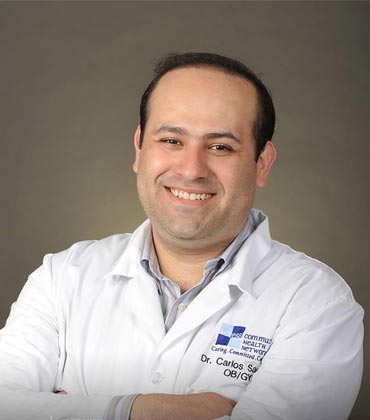
The Opioid Pandemic and Enhanced Recovery after Surgery: Eliminating Opioids from Routine Surgical Practice
Dr. Carlos Sandoval-Herrera, Director of Gynecology and Chief of the Division of Minimally Invasive Gynecology, Sinai Chicago
Mental Health

Empathy, Transformation, and Connection in Counseling
Reylla Santos, Mental Health and Drug and Alcohol Counselor, Millennium Counseling Center

IN MY OPINION
Dental Care
The Strategic Pivot: Mastering Capital Replacement Planning
Damion Schinnerer, Director of Purchased Services and Capital Equipment, Community Hospital Corporation
LAST WORD
Neurology
What Responsible Regenerative Care Looks Like
Dr. Jeff Gross, Stem Cell Whisperer, ReCELLebrate
IN FOCUS

Balancing Care and Efficiency: The Future of Drug and Alcohol Rehab Management
Effective rehab management balances patient care, operational efficiency, and financial sustainability.
Empowering Women through Menopause: Advances in Treatment and Care
Perimenopause and menopause involve physical and emotional changes, with personalized treatments and technology enhancing care and empowering women during this transition.
EDITORIAL
Redefining Care through Integrated Clinical Models
Patient outcomes increasingly depend on how effectively healthcare systems integrate diagnosis, treatment, and longterm management. In this edition of Medical Care Review, we highlight organizations structuring care around continuity, precision and patient-specific needs. Providers are moving beyond fragmented delivery to coordinated models that address root causes alongside symptoms, reinforcing the role of clinical depth and sustained engagement in driving measurable outcomes.
Building on these approaches, Rise in Malibu, recognized as the Top Drug and Alcohol Rehab Clinic 2026, has established a physician-led treatment model integrating medical detox, psychiatric care and trauma therapy from the first day of admission. This structure ensures addiction is treated as a dual-diagnosis condition, with care extending beyond stabilization into a defined continuum that supports long-term recovery and behavioral change.
Across specialized care areas, organizations are refining the delivery of treatment. Exquisite Dental Implant Center, honored as the Top Dental Implant Solutions Practice 2026, combines surgical precision with individualized planning to restore function and patient confidence.
Similarly, May You Find Peace, named a Top EMDR Therapy Practice 2026, delivers trauma care through a coordinated, multimodal framework. PACC Mental Health Services, awarded as the Top Mental Health Care Clinic 2026, structures services around doctorallevel oversight to support complex diagnoses. Remedi, selected as the Top Perimenopause and Menopause Treatment Clinic 2026, advances hormone care through extended consultations and lab-driven decisions.
Clinical perspectives reinforce the need for aligned care delivery. Reylla Santos, Mental Health and Drug & Alcohol Counselor at Millennium Counseling Center, underscores the importance of tailoring treatment to personal and socio-cultural contexts. Dave Olson, Senior Vice President, Medicare Advantage & Network at DentaQuest, highlights the importance of integrating oral health to improve outcomes for aging populations.
Taken together, these insights illustrate a healthcare landscape where integration, consistency and patient-specific care define longterm effectiveness. We invite readers to explore these models and apply relevant insights within their own organizations.
