Thank you for Subscribing to Medical Care Review Weekly Brief
Medical Care Review: Specials Magazine
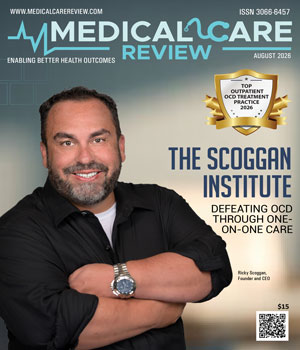
The Scoggan Institute
Defeating OCD through One-on-One Care
Every time a person believes they have finally met the challenges, they find a new way to stay in the game. One fear disappears; another emerges. One compulsion loses its power, and a new ritual takes its place. OCD changes its tactics, but the objective remains the same, keeping people trapped in cycles of doubt, fear and compulsion. Patients arrive at The Scoggan Institute exhausted from fighting these battles. Many have already completed outpatient programs or worked with multiple therapists. Others have tried different therapeutic approaches and developed a sophisticated understanding of their diagnosis. Despite their efforts, they continue to find themselves trapped in the same cycle of intrusive thoughts, compulsions and temporary relief. Medical Care Review first identified The Scoggan Institute while researching specialized outpatient OCD providers for its 2026 recognition program. Its individualized model stood out during the editorial review because it protected clinician attention and treatment quality in a field increasingly shaped by managed care and group-based delivery.
Concierge Medical Practice
Concierge Medical Services
Where Modern Medicine Rediscovers the Human Touch
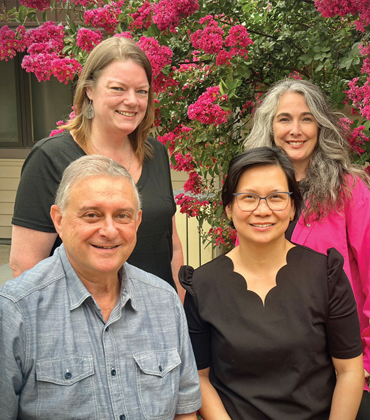
Ira Gerstman, MD, Kristina Martinez, DNP, CRNP, Melissa Gallagher, CMA, Christine Brammer, CMA
Two decades ago, Concierge Medical Services (CMS) opened its doors in Fort Washington, Pennsylvania, as one of the first concierge medical practices on the East Coast. At a time when concierge care was far from the norm, CMS proved that a model built on time, access and trust could truly make a difference. That approach has remained consistent, and its enduring presence in Pennsylvania is a testament to the trust it has earned over the years. Today, even as concierge care becomes more familiar, CMS continues to stand apart, showing that modern medicine can still be delivered with a personal touch. A big part of that is the team. Ira Gerstman MD, and Kristina Martinez, DNP, CRNP along with medical staff Christine Brammer CMA and Melissa Gallagher CMA, have kept the practice small on purpose. With just four people and a patient panel capped at 400, the team has built a space where each person receives meaningful attention, not just for physical health, but for mental well-being and the family dynamics that often shape it. That structure allows them to spend more time with patients, be more present in each visit, and avoid the churn that defines most clinical settings. Patients don’t go through layers of staff to get help. They call, email or text directly, day or night, and are typically scheduled the same or next day, with little to no wait. “It’s a modern-day Marcus Welby model,” says Dr. Gerstman, referencing the iconic TV doctor known for house calls and heartfelt care. “He didn’t rush appointments. He knew your family, your fears, your story. He treated the whole person, not just the symptoms. That’s what we are bringing.” CMS takes a partnership approach to care. Every prospective patient is required to take part in a one hour mutual interview. It’s a two-way conversation where patients get to ask questions, understand how the practice works and ensure it aligns with their expectations, while the providers take time to learn about the patient’s values, goals and approach to health. “We make it clear from the start, this is a partnership,” says Dr. Martinez. “We want patients who take ownership of their health, just as we take responsibility for their care.”
Medical Spa
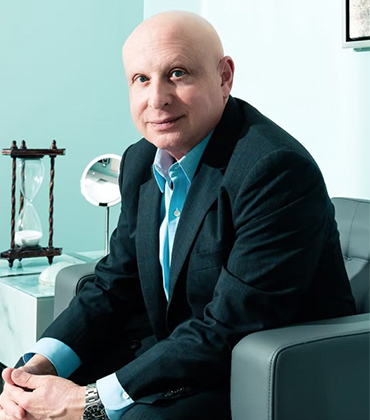
Sanctuary Medical Aesthetic Center
Redefining the Future of Skin and Wellness through Laser-Sharp Focus
Dr. Jason Pozner, MD, Founder
The Florida sun doesn’t just shine, it settles in. It weaves into skin, leaving behind sunspots, fine lines and the kind of damage that builds slowly over years of beach days and barefaced afternoons. Time, too, leaves its mark with deepening creases, dulling tone and rewriting the texture of once-smooth skin. But just north of Miami, in the upscale enclaves of Boca Raton and Fort Lauderdale, there’s a place where the effects of time, sun and stress are reversed through science-driven artistry and the precision of advanced aesthetic care. This is Sanctuary Medical Aesthetic Center, founded by world-renowned plastic surgeon Dr. Jason Pozner, MD, FACS—a name that carries weight far beyond the palm-lined streets of South Florida. It has evolved into one of the most advanced laser and cosmetic dermatology facilities in the country. From leading anti-aging procedures to skin cancer treatments and hair restoration, the center is a go-to for patients seeking both results and reassurance. As a key collaborator with Sciton, one of the world’s leading laser manufacturers, Dr. Pozner plays a hands-on role in the technology that shapes modern skin care. Sanctuary is now one of the first in the country to try and implement next-gen laser systems, giving patients early access to what others will wait years to experience. In fact, the facility now has the largest collection of laser devices in South Florida, enabling it to address virtually every skin and aesthetic concern possible. “Dr. Pozner personally tests every device on himself before he ever recommends it to a patient. That level of commitment is rare, and it defines everything we do here,” says Kat Clayton, marketing manager. Lasers may be Sanctuary’s signature, but its capabilities extend far beyond. The center’s offerings span botox and fillers, advanced microneedling with radiofrequency, diva vaginal rejuvenation, CoolSculpting, Emsculpt and treatments for excessive perspiration with Miradry. It also provides medical-grade skincare and surgical procedures such as Mohs surgery for skin cancer, making it a one-stop destination for both cosmetic and medical dermatology. And while the tech is undeniably high-grade, it’s the human touch that makes Sanctuary unforgettable. Behind every treatment is a team of board-certified dermatologists, plastic surgeons, physician assistants, and medical aestheticians who see patients as whole people and not just problem areas. This integrative model allows the center to fluidly move between cosmetic aspirations and clinical care.
Top Pelvic Floor Physical Therapy Practice 2026
Patients seeking pelvic floor therapy often encounter delays in care due to limited awareness and understanding of their symptoms. Many navigate multiple providers before reaching appropriate treatment, creating gaps in care and prolonged discomfort. Fortify PT addresses this challenge by focusing on education and accessibility. The practice works to inform both patients and referring providers about pelvic floor therapy, helping individuals reach appropriate care earlier. “Patients often go through many providers before coming to see a pelvic floor PT,” says Alicia Ferriere, founder. Prioritizing Individualized Care over Standardized Treatment A major issue in pelvic floor therapy is the reliance on generalized treatment plans that do not reflect individual patient needs. Each patient presents with unique physical conditions, goals and underlying causes.

Orthopedic
Improving Efficiency in Orthopedic Care
Brad Johnson, Executive Director, Orthopaedic Destination Service Line and Outpatient Rehabilitation Services at Stanford Health Care
Physical Therapy

Challenges and Opportunities in Physical Therapy
Christopher Joseph, Director, Physical Therapy, Kennedy Krieger Institute
Audiology
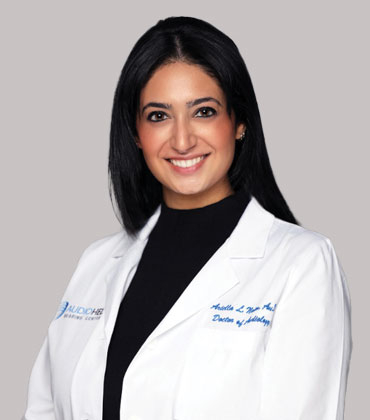
Differences between Over-The-Counter Devices and Prescription Hearing Aids
Dr. Ariella Naim, Senior Audiologist, Audio Help Hearing Centers
Nursing Care
The Role Of The Nurse Practitioner In Workplace Health
Maureen Keenan, Nurse Practitioner, Ramp Health
Concierge Service

Enhancing the Pathways of Children's Mental Health
Wendy Wallace, DO, FAAP, Director of CHOP Primary Care Behavioral Health, Children's Hospital of Philadelphia

IN MY OPINION
Mental Health
Exploring the Journey of a Clinical Psychologist
Dr. Susan Rathmell, Licensed Clinical Psychologist & Owner, Upward Behavioral Health
LAST WORD
Audiology
Leading with Empathy in Healthcare
Nichole Aguiar, Director, Patient Experience, Boston Medical Center (BMC)
IN FOCUS

Adult Psychotherapy Complements Medication in Mental Health Treatment
Medication relieves symptoms while adult psychotherapy builds coping skills, emotional resilience, self-awareness and lasting recovery through a comprehensive mental health approach.
Behavioral Health Benefits Strengthening Sustainable Workplace Performance
Behavioral health benefits strengthen workforce resilience, employee engagement, and long-term business performance.
EDITORIAL
Advancing Care Through Evidence and Compassion
Individualized care is becoming central to better patient outcomes. Behavioral health and specialty providers are placing greater emphasis on treatment plans that reflect each patient’s needs while encouraging active participation throughout the care journey. This edition of Medical Care Review showcases organizations and clinical leaders whose work reflects this continued commitment to better patient care.
At the center of this edition, The Scoggan Institute is recognized as the Top Outpatient OCD Treatment Practice 2026 for its individualized approach to OCD care. Rather than focusing solely on symptom management, the institute helps patients understand how obsessive compulsive disorder operates before guiding them through evidence based treatment. Its combination of one-on-one care, family involvement and continuous outcome measurement is helping patients build practical skills that support lasting recovery while setting a thoughtful standard for outpatient OCD treatment.
The principles behind this approach reflect a broader shift taking place across healthcare. More providers are pairing clinical expertise with personalized treatment, patient education and continuous assessment to improve both the quality of care and long-term outcomes. As healthcare becomes increasingly patient-centered, success is measured by measurable progress and a commitment to continuous improvement.
Building on that commitment, the perspectives featured in this edition examine how evidence-based practice improves care across different specialties. Susan Rathmell, Licensed Clinical Psychologist and Owner at Upward Behavioral Health, explains how measurable outcomes, specialized treatment protocols and ongoing professional development help clinicians deliver more effective care while reducing burnout. Ariella Naim, Senior Audiologist at Audio Help Hearing Centers, discusses the value of comprehensive hearing evaluations, individualized hearing solutions and continued clinical support, emphasizing that early intervention plays an important role in preserving both hearing and cognitive health.
Together, the organizations and clinical leaders featured in this edition show that meaningful progress in healthcare begins with evidence, compassion and a commitment to treating every patient as an individual. We invite you to explore their stories and discover the ideas and practices shaping the future of high-quality patient care.
