Thank you for Subscribing to Medical Care Review Weekly Brief


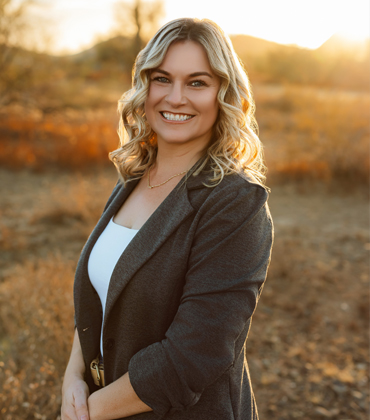 Dr. Andrea Durand, DBH, LCSW , Clinical Director
A diagnosis may explain what someone is experiencing, but it does not necessarily explain what treatment will work best for them. A child struggling at school may need a different approach from an adult dealing with trauma. Someone managing chronic pain may need a different treatment from someone navigating anxiety or neurodivergence. Even two people with the same diagnosis can have different routines, work schedules, financial circumstances, family dynamics and responses to treatment.
That is why Durand Healing & Wellness Center has built its care model around giving clinicians multiple ways to respond to individual needs. Serving patients from age six through older adulthood, the practice combines psychotherapy, neurofeedback, EMDR, family-based care and other services so that treatment can be shaped around the person rather than a single diagnosis or approach. Factors such as family circumstances, schedules, financial considerations and the practical demands of treatment influence which path is most appropriate.
That process begins before the first intake appointment. Administrative staff help prospective patients identify therapists whose expertise and approach may align with their needs, while detailed clinician biographies and videos allow patients to learn more about each provider’s background and personality. A free 15-minute consultation gives patients an opportunity to determine whether the therapist is the right fit before beginning intake.
“We don’t want to be another community mental health organization where care becomes more about quantity than quality,” says Dr. Andrea Durand DBH, LCSW, clinical director.
The therapist match is followed by collaborative treatment planning. Rather than having the therapist determine the course of treatment alone, patients are involved in deciding what the treatment plan should look like and are expected to have a voice in the direction of their care. When appropriate, Durand Healing & Wellness Center also coordinates with other members of a patient’s healthcare team, bringing relevant physical and mental health considerations into the treatment process.
Continuity strengthens that approach. Durand Healing & Wellness Center maintains very low turnover among most of its clinicians, with many having remained with the practice for years. The result is a clinician base that has remained relatively stable while continuing to serve a broad range of mental health needs.
Multiple Paths to Care
Treatment decisions can also depend on circumstances outside the diagnosis. Financial considerations, work responsibilities, available time and daily routines can all affect which services are practical for a patient.
Durand Healing & Wellness Center considers how an individual’s condition presents and how that person responds to different approaches, recognizing that two people with similar diagnoses may still need different paths to care.
We don't want to be another community mental health organization where care becomes more about quantity than quality.
At Durand Healing & Wellness Center, neurofeedback gives clinicians another way to tailor treatment to the needs of individual patients. The practice commonly uses it with patients experiencing ADHD, autism, OCD, trauma, depression and anxiety. A typical session lasts approximately 60 minutes and begins with an assessment of symptoms and progress, followed by brief psychotherapy and approximately 30 minutes of neurofeedback. This structure allows the clinician to consider the patient’s progress and current needs as part of the treatment process rather than approaching neurofeedback as an isolated intervention.
Because patient confidentiality prevents the practice from discussing individual cases, Dr. Durand describes these outcomes in general terms. Based on its experience with neurofeedback, the practice reports seeing consistent improvements across a multitude of physical and mental health symptoms. Some of the most common areas in which it sees improvement include sleep, executive functioning, emotional regulation, cognitive abilities, relationships, trauma, chronic pain, anxiety, depression, sports performance, and overall mental health.
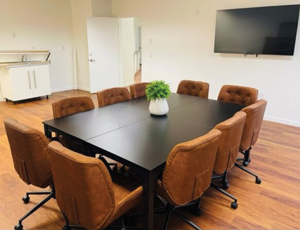 Patients can receive therapy virtually or in person, with the patient’s schedule and preference helping guide the format and therapist availability determining what can be accommodated. The practice also offers virtual EMDR for patients who prefer to receive treatment from home.
Together, these services and delivery formats give clinicians room to develop treatment pathways that account for both clinical needs and the practical circumstances surrounding care. Rather than requiring patients to adapt to a single format, the practice can draw from different services and modes of delivery as treatment progresses.
Expertise Behind the Care Model
Multiple treatment pathways require clinicians with the expertise to determine how those services can best serve different patients. Durand Healing & Wellness Center supports that capability through professional qualifications, specialized preparation and ongoing education.
All clinicians are licensed professionals with training and experience before joining the practice. Before they begin treating patients at Durand Healing & Wellness Center, they receive additional preparation in areas such as collaborative care, neurodivergence, trauma and chronic pain, followed by ongoing training in specialty areas. The additional education is intended to give clinicians a deeper understanding of conditions that may not receive extensive attention in traditional mental health training. That preparation is particularly relevant to a practice serving patients whose mental health concerns may overlap with neurodivergence, trauma or chronic pain.
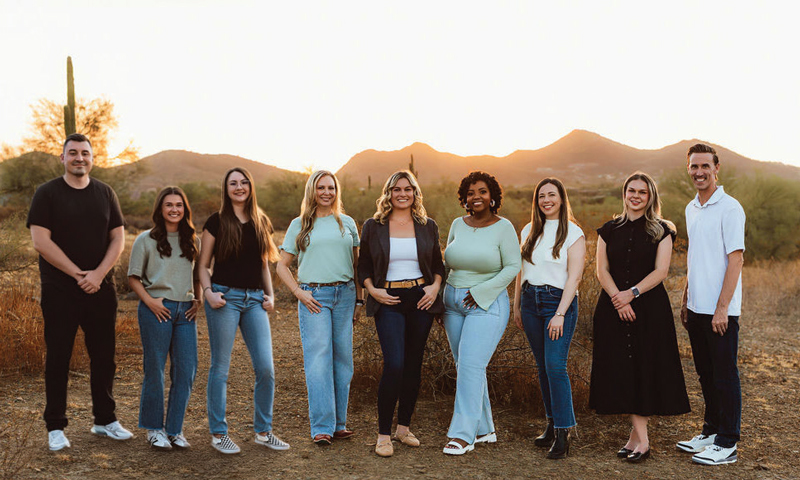 The practice’s broad clinical team reflects a deliberate decision to provide comprehensive mental health care rather than build the practice around one or two specialties. Different ages and demographics can require different therapeutic approaches and interventions, which makes experience and training specific to those populations important. The practice also considers whether clinicians have the interest and experience to work with particular populations, recognizing that effective care requires both appropriate training and an ability to connect with the people being served. That breadth allows Durand Healing & Wellness Center to provide care for children, adults and older adults while matching patients with clinicians who are equipped to work with their particular stage of life and needs.
Family-based care is another expression of its whole-person approach. The practice has learned that treating a child often means working with the family around that child, while older adults can face similar family dynamics in different forms, involving a partner, parent or adult child. To support those relationships, Durand Healing & Wellness Center offers collateral sessions and family therapy alongside individual treatment.
These services allow clinicians to work beyond the individual appointment when family relationships are relevant to treatment. The approach also gives the practice a way to address the broader environment surrounding a patient while keeping the individual’s treatment goals central to care.
Extending Quality Care into the Community
Durand Healing & Wellness Center extends its work beyond individual appointments through relationships with schools, churches, medical offices and first responder organizations.
“We provide workshops, support groups, training, free services and education, helping address mental health gaps while connecting people with appropriate support, whether through our practice or another community provider,” says Dr. Andrea Durand, DBH, LCSW.
-
Getting help isn't the opposite of strength. It's what strength looks like when it's honest.
Those relationships also help inform the practice itself. By staying connected with schools, churches, medical offices and first responder organizations, the practice can identify gaps in local mental health support and adapt its services, develop new offerings or hire clinicians with expertise in areas the community needs. When another provider is better positioned to help, the practice can also connect individuals with appropriate community resources.
The relationship therefore works in both directions. Dr. Durand contributes education, support and clinical resources while gaining a clearer understanding of where additional help is needed. That community feedback is helping shape its next stage of development, including fine-tuning existing services, adding more intensive therapy options and expanding groups. The practice is also considering additional insurance plans to make care available to more people in the community.
After those priorities are in place, the practice plans to assess where quality stands before determining which areas should receive further investment. The next stage of growth, in other words, will depend on where the practice can continue strengthening the quality of care rather than simply adding capacity.
 This approach has earned Durand Healing & Wellness Center the Psychotherapy Neurofeedback Mental Health Clinic of the Year 2026 recognition, acknowledging its work across psychotherapy, neurofeedback and comprehensive mental health care.
For Durand Healing & Wellness Center, growth is ultimately about building better care, not simply a bigger practice. By giving patients more ways to find care that fits their circumstances and giving clinicians the training and flexibility to respond to needs beyond a single diagnosis, the practice is continuing to build an individualized, whole-person model of mental health care.
For people who may still hesitate to seek help, its message is equally direct. Mental health struggles are something many people experience, and seeking support should not be viewed as a weakness. As Dr. Durand puts it, “Getting help isn’t the opposite of strength. It’s what strength looks like when it’s honest.”
That philosophy captures what Durand Healing & Wellness Center is trying to build as it grows — not simply a larger practice, but one that continues to make individualized, whole-person care more accessible to the people and communities it serves.
