Thank you for Subscribing to Medical Care Review Weekly Brief


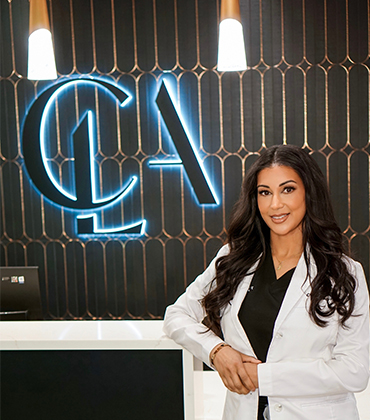 Nina Nalini Harry, Founder
For many patients seeking aesthetic treatments, the goal is often focused on a visible concern, such as dark spots, acne scars, unwanted hair, or signs of aging. At Comprehensive Laser & Aesthetics, the approach begins by looking beyond what is immediately visible.
Founded by Nina Nalini Harry, a board-certified Family Nurse Practitioner, the clinic was created around a simple philosophy: aesthetic care should still be medical care.
The practice combines medical dermatology, cosmetic dermatology, laser medicine, and aesthetic treatments to understand what is happening beneath the surface before recommending a solution. Rather than immediately selecting a procedure, the team takes time to understand each patient’s skin health, medical history, and personal goals.
For Harry, this distinction is what defines the practice. “We don’t separate skin health from aesthetics. We look at the whole patient and make sure every treatment decision is safe, thoughtful, and truly aligned with what they need,” she says.
This approach allows patients to feel comfortable discussing concerns that may be personal or difficult to share elsewhere. The team focuses on creating an environment where patients feel listened to and confident that their care plan is built around their individual needs.
Thoughtful Approach to Laser Medicine
At Comprehensive Laser & Aesthetics, laser technology is viewed as one tool within a larger clinical decision-making process. Before choosing a device or treatment, the team evaluates multiple factors, including skin type, dermatologic history, previous treatments, medications, and the specific condition being addressed.
This personalized approach is especially important when treating darker skin tones. The clinic has developed expertise in understanding how different levels of melanin interact with laser treatments and how to achieve results while minimizing risks such as post-inflammatory hyperpigmentation.
The team recognizes that every patient’s skin responds differently. A treatment that works well for one person may not be the right choice for another, which is why clinical evaluation remains central to every recommendation.
Comprehensive Model of Care
While lasers are a key part of the practice, Comprehensive Laser & Aesthetics does not define itself by technology alone. The clinic considers a wide range of options, including skincare, regenerative treatments, and pharmacologic therapies when appropriate.
Sometimes, the best treatment decision may involve using a laser. Other times, the right choice may be a medical approach or waiting until the skin is ready. This flexibility allows providers to focus on achieving healthy, sustainable outcomes rather than simply performing procedures.
The clinic’s comprehensive philosophy has also made an impact in gender-affirming care. Many patients seek laser hair removal as part of their transition journey, and the team understands that these treatments represent more than appearance changes. They can be deeply connected to confidence, identity, and personal well-being.
Building the Future of Inclusive Aesthetic Care
Looking ahead, Comprehensive Laser & Aesthetics aims to continue being recognized for safe, inclusive, and individualized treatment. The practice also invests in educating other providers, helping advance knowledge about treating different skin tones and improving standards across the industry.
Named as a Top Laser Treatment Clinic 2026, Comprehensive Laser & Aesthetics reflects a growing shift in aesthetic medicine, one where technology is supported by medical expertise and every treatment begins with understanding the patient.
By bringing dermatologic knowledge and aesthetic innovation together under one roof, the clinic continues to create a model of care where patients do not have to choose between healthier skin and achieving their aesthetic goals.
What Does a Laser Treatment Clinic Consider Before Recommending a Procedure?
A Laser Treatment Clinic evaluates more than the visible concern. Skin type, dermatologic history, medications, prior procedures and the condition being treated can all influence whether laser treatment is appropriate. A careful assessment also helps identify potential risks and clarify realistic outcomes. Laser technology is one option within aesthetic care, not an automatic answer for every concern.
How Does Comprehensive Laser & Aesthetics Approach Individual Treatment Needs?
Comprehensive Laser & Aesthetics brings medical dermatology, cosmetic dermatology, laser medicine and aesthetic treatments into its care model. Founded by board-certified Family Nurse Practitioner Nina Nalini Harry, the clinic considers skin health, medical history and personal goals before selecting a treatment. This approach places the Laser Treatment Clinic within a broader clinical decision process, where a procedure is recommended only when it fits the patient's needs.
Which Factors Matter When Treating Different Skin Tones?
A Laser Treatment Clinic should account for how skin responds to energy-based procedures, particularly when treating darker skin tones. Melanin levels can affect treatment planning and the risk of post-inflammatory hyperpigmentation. Providers should assess individual skin characteristics and relevant history rather than assume that one device or setting suits everyone. Patients can ask how risks will be managed, what alternatives exist and what aftercare may be needed. A useful consultation should also explain when results may appear, whether multiple sessions are likely and which changes warrant contacting the provider. These details make the plan easier to evaluate before treatment begins.
What Options May Be Considered Alongside Laser Treatments?
A Laser Treatment Clinic may use laser procedures as part of a wider plan, but other approaches can sometimes be more suitable. Depending on the concern, options may include skincare, regenerative treatments or pharmacologic therapies. A provider may also recommend postponing a procedure until the skin is ready. Discussing the available choices helps patients understand why a particular approach is proposed and how progress will be reviewed. It also gives the provider an opportunity to explain likely benefits, limitations and any preparation or recovery requirements. Treatment decisions should remain responsive to the patient's skin condition and preferences.
How Can Laser Hair Removal Fit Into Gender-Affirming Care?
For some, laser hair removal is an important part of gender-affirming care and can mean much more than just a change in appearance. A Laser Treatment Clinic should talk openly and respectfully about your goals, explain what the treatment can and cannot do, and consider your unique skin when planning sessions. Clear conversations about comfort, risks, results, and follow-up help you make informed choices, recognizing that everyone’s priorities are different. Treatment plans can vary based on the area, hair type, and how your skin responds, so your consultation should set clear expectations instead of promising the same results for everyone.
What Defines a Medically Grounded Laser Treatment Clinic?
A medically grounded Laser Treatment Clinic connects technology with clinical judgment, individualized planning and attention to skin health. Comprehensive Laser & Aesthetics also educates other providers about treating different skin tones, reflecting its focus on sharing knowledge beyond individual appointments. When comparing care options, patients can ask who assesses their needs, how treatment suitability is determined, which alternatives are available and how safety and outcomes will be monitored.
