
Thank you for Subscribing to Medical Care Review Weekly Brief


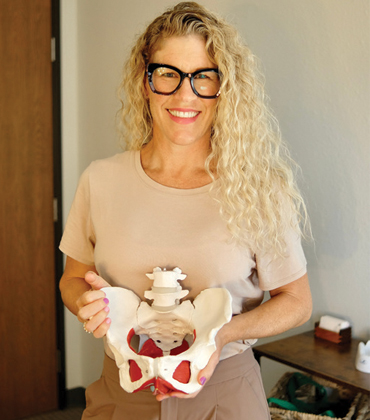 Dr. Sasha Speer, PT, DPT, Founder and CEO
What does the pelvic region reveal about physical stress, nervous system strain, and emotional load?
“The pelvic region tells a story,” states Dr. Sasha Speer, PT, DPT, Founder and CEO of Auria Pelvic Health. It reveals how the body carries physical stress, nervous system strain and emotional load, affecting everything from movement to intimacy. At Auria Pelvic Health, Dr. Speer and her team use pelvic floor therapy and nervous system regulation to restore bodily function in ways conventional care often overlooks. Rather than isolating symptoms, the clinic examines how physical dysfunction, nervous system response and stress interact.
How did Auria Pelvic Health address complex postpartum dysfunction when previous providers found no issues?
Auria’s approach has reshaped outcomes for patients whose symptoms once seemed untreatable. Seven years postpartum, a young woman came to the clinic hoping to regain control over her body. Years of marathon training had triggered hip pain, her pelvic floor had shut down and intimacy with her partner had become impossible. Previous providers found nothing structurally wrong and offered no clear path forward.
Dr. Speer identified a breakdown in the deeper core system, where the pelvic floor, diaphragm and deep abdominals no longer worked together as a coordinated unit meant to support the body. When that coordination fails, the body compensates and pain spreads to the hips and back.
The clinic’s treatment focused on reactivating the pelvic floor and rebuilding coordination across the system. With her hip pain resolved, she returned to competitive running and her sexual health was restored. The improvement came from correcting the underlying dysfunction, not learning to work around it.
“The medical system compartmentalizes the human being and looks for quick fixes,” says Dr. Speer. “At Auria, we treat the whole human being, physically, neurologically and emotionally, creating change that lasts.”
For Dr. Speer, this also means stepping in early, much like treating high cholesterol before a heart attack, and staying ahead of dysfunction before pain becomes chronic or life-limiting.
When the Body Holds Chronic Stress
Why is nervous system regulation essential for patients experiencing chronic stress and physical dysfunction?
The same approach reshaped care for a woman in her early twenties who could not tolerate close physical contact and would pass out during pelvic exams. At Auria, the team established nervous system safety before attempting physical work. Over two years, through gradual desensitization and regulation protocols, her nervous system learned to tolerate touch. She now maintains a relationship with her partner, tolerates routine gynecological care and moves through life without bracing against contact.
The Precision Behind the Care
In what way does Auria ensure precision and depth in pelvic therapy assessment and treatment?
These results require a level of precision that many pelvic floor therapy practices do not reach. Auria’s practitioners assess hip and pelvic muscle attachment points that others overlook. They perform internal examinations to release adhesions around irritated nerves and evaluate how the pelvic floor, deep abdominals and diaphragm function together.
That depth of assessment is rarely taught in formal training. To close this gap, Dr. Speer built an internal system centered on constant one-on-one mentoring. The team includes doctoral-trained physical therapists, an occupational therapist specializing in nervous system desensitization and the only acupuncturist in Los Angeles focused exclusively on pelvic care.
The same rigor carries into every appointment. Patients receive a 60-minute private session with one clinician, no aides and no rushed turnover. Care spans pelvic pain, bladder and bowel issues, sexual health challenges and core dysfunction for both men and women.
Dr. Speer plans to open a clinic in Santa Monica, followed by expansion across the country. The aim is to extend access to whole-body pelvic care to regions where this level of treatment does not yet exist. The motivation is personal. She wants this care available to everyone, including her own mother in Washington State. Through Auria Pelvic Health, Dr. Speer is building a model that treats the complete human body, not isolated symptoms.
What Should Patients Know About Pelvic Floor Physical Therapy Practices in the United States?
Pelvic Floor Physical Therapy Practices in the United States address problems involving pelvic muscles, core coordination, bladder and bowel function, sexual health and pelvic pain. Care is not limited to strengthening exercises. A thorough evaluation may consider how the pelvic floor works with the diaphragm, deep abdominal muscles, hips and nervous system. This broader view can be useful when symptoms involve several parts of the body or have persisted despite earlier treatment. Patients should also understand that pelvic floor therapy can be relevant to both women and men. The appropriate plan depends on the symptoms, physical findings, medical history and personal goals. Good care should explain what is contributing to the problem and what each part of the treatment is intended to address.
How Does Auria Pelvic Health Approach Pelvic Floor Therapy?
Auria Pelvic Health uses one-on-one treatment that looks at pelvic dysfunction as part of a larger physical and nervous system pattern. Its clinicians assess relationships among the pelvic floor, diaphragm and deep abdominal muscles rather than isolating one area. The practice also uses internal examinations when appropriate to assess muscle attachments and release adhesions around irritated nerves. Pelvic Floor Physical Therapy Practices in the United States can vary considerably in how deeply they assess these connections, so patients may want to ask how an evaluation is performed and how findings influence treatment. Auria provides private 60-minute sessions with one clinician and no aides or rushed turnover, allowing the therapist to focus on the individual's presentation throughout the appointment.
What Conditions Can Pelvic Floor Physical Therapy Address?
Pelvic Floor Physical Therapy Practices in the United States commonly work with concerns such as pelvic pain, bladder or bowel difficulties, sexual health problems and core dysfunction. Treatment may also be relevant when pelvic dysfunction contributes to hip or back discomfort. The right approach depends on whether muscles are weak, overly tense, poorly coordinated or responding to stress in ways that affect normal movement. Auria Pelvic Health works with pelvic, core and nervous system-related concerns and treats both the physical impairment and factors that can maintain it. Its work includes cases involving postpartum dysfunction, chronic stress and difficulty tolerating physical contact. This makes careful assessment important before exercises or hands-on techniques are selected.
Why Does Nervous System Regulation Matter In Pelvic Floor Therapy?
Pain and pelvic dysfunction do not always exist as purely muscular problems. Persistent stress can affect how the nervous system responds to movement, touch and other physical sensations. Pelvic Floor Physical Therapy Practices in the United States may therefore incorporate nervous system regulation when a patient shows signs of heightened sensitivity or guarding. Auria Pelvic Health uses regulation protocols and gradual desensitization when nervous system responses make physical treatment difficult. In one documented case, a patient who had previously passed out during pelvic examinations gradually developed greater tolerance for touch over an extended period of care. For patients with similar concerns, establishing a sense of physical safety may need to come before more direct hands-on treatment.
How Can One-on-One Care Affect The Therapy Experience?
Pelvic health concerns can involve sensitive symptoms that patients may hesitate to discuss, making privacy and continuity important parts of care. Pelvic Floor Physical Therapy Practices in the United States that provide dedicated one-on-one sessions give clinicians more time to observe movement, discuss symptoms and adjust treatment during the appointment. At Auria Pelvic Health, patients receive 60-minute private sessions with one clinician rather than rotating between therapists or working with aides. The practice's team includes doctoral-trained physical therapists, an occupational therapist specializing in nervous system desensitization and an acupuncturist focused exclusively on pelvic care. That combination gives the clinic several perspectives when a patient's symptoms involve physical and nervous system factors.
What Should Patients Look For When Choosing A Pelvic Health Practice?
Patients comparing Pelvic Floor Physical Therapy Practices in the United States should consider the clinician's training, evaluation methods, appointment structure and experience with the specific problem being treated. It is reasonable to ask whether internal assessment is available when appropriate, how progress will be measured and how the treatment plan changes when symptoms respond differently than expected. Auria Pelvic Health emphasizes ongoing one-on-one mentoring for its practitioners and provides care for pelvic pain, bladder and bowel concerns, sexual health and core dysfunction. Patients should also look for a practice that explains treatment in understandable terms and gives them a clear sense of what happens during therapy. A careful assessment is often the starting point for deciding which techniques are appropriate.
