Non-Surgical Aesthetic Services Practices

Non-surgical aesthetic services practices help clients improve appearance through minimally invasive cosmetic treatments. With a focus on treatment planning, facial balance, patient safety and natural-looking results, they support more confident aesthetic outcomes and smoother care experiences.

Be MediSpa: Setting the Standard in Physician-Led Aesthetic Care
Be MediSpa
Setting the Standard in Physician-Led Aesthetic Care
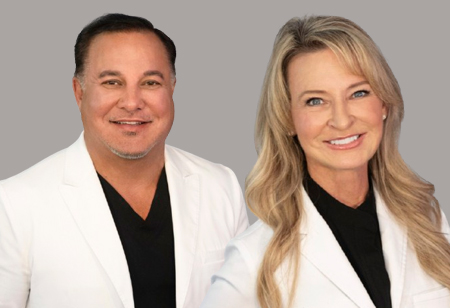
Chasity Hester, PA-C, Dr. Paul Hester, MD, MBA
Physician oversight, rigorous safety standards, and evidence-based clinical decision-making are at the heart of modern aesthetic medicine. Be MediSpa, which specializes in preventive aging and nonsurgical aesthetic treatments, was established within this environment with a clear emphasis on clinical structure.

Navigating Trends in Non-Surgical Aesthetic Services

Rising demand for minimally invasive cosmetic enhancements is reshaping the aesthetics landscape, with non-surgical aesthetic services gaining steady traction across urban and emerging markets alike. Non-surgical aesthetic services practice providers are focusing on treatments that deliver visible results with limited downtime, making them increasingly appealing to a wider demographic.

Offering Specialized Guidance On Designing, Executing Robotic Surgery Programs
Lee Health
Offering Specialized Guidance On Designing, Executing Robotic Surgery Programs
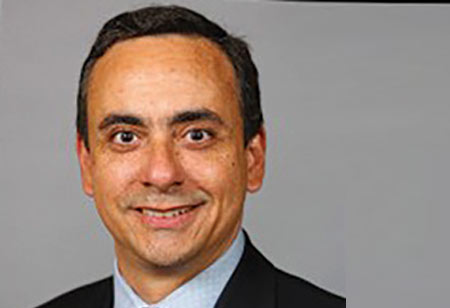
Juan Carlos Ibarra, System Robotic Surgery Program Manager

Juan Carlos Ibarra is an accomplished international medical graduate, distinguished for his leadership abilities, interpersonal skills, and comprehensive understanding of the healthcare industry. His expertise encompasses forging strong collaborations with both internal and external stakeholders to propel organizational, clinical, and financial objectives. Leveraging his extensive clinical background and proficiency in health information management, Juan excels in evaluating existing systems, identifying areas for enhancement, and driving optimization initiatives.  

Non-Surgical Aesthetic Services Practices Info

Q1
What Do Top Non-Surgical Aesthetic Services Practices Offer Patients?
Top Non-Surgical Aesthetic Services Practices provide treatments designed to address concerns such as wrinkles, skin texture, pigmentation, volume changes and unwanted hair without traditional surgery. Services may include injectables, laser treatments, skin resurfacing and other minimally invasive procedures. The right approach depends on the patient’s skin condition, treatment goals, medical history and realistic expectations.
Q2
What Services Are Included in Non-Surgical Aesthetic Care?
Non-surgical aesthetic services can range from neuromodulators and dermal fillers to laser-based treatments, chemical peels, microneedling and medical-grade skincare. Top Non-Surgical Aesthetic Services Practices may combine several options when a single procedure cannot address the concern adequately. A consultation should explain what each treatment is intended to change, how many sessions may be needed and what follow-up involves.
Q3
Why Is Demand Growing for Non-Surgical Aesthetic Services?
Interest in non-surgical aesthetic care is being supported by demand for treatments that can fit more easily into work and family schedules. Patients increasingly compare options based on downtime, expected results, convenience and the ability to make gradual changes. Recent industry coverage also points to broader interest in natural-looking results, personalized treatment plans and technology-supported consultations. For patients, that shift makes careful assessment important: a popular treatment is not necessarily the right treatment for every skin type or concern.
Q4
How Should Patients Evaluate Top Non-Surgical Aesthetic Services Practices?
Choosing Top Non-Surgical Aesthetic Services Practices requires more than comparing treatment menus or prices. Patients should review practitioner qualifications, experience with the specific procedure, consultation quality, safety practices and follow-up arrangements. A useful test is to ask how the practice would approach a specific concern and what it would recommend if the preferred treatment were unsuitable. The explanation should cover expected results, limitations and possible side effects without creating unrealistic expectations.
Q5
What Value Can Non-Surgical Aesthetic Services Provide?
Top Non-Surgical Aesthetic Services Practices can help patients address visible concerns while avoiding the recovery associated with conventional surgery. Depending on the treatment, the practical benefit may include improved skin texture, softened lines, restored volume or more even pigmentation. Results vary by procedure and patient. Good care also means knowing when not to treat, since unnecessary procedures can add cost without addressing the underlying concern.
Q6
How Do Technology and Expertise Shape Non-Surgical Aesthetic Care?
Technology can improve how practitioners assess skin, deliver treatments and monitor changes over time. Imaging tools, energy-based devices and newer formulations can expand treatment options, but Top Non-Surgical Aesthetic Services Practices still depend on clinical judgment. Providers need to understand anatomy, skin characteristics, treatment limits and appropriate follow-up. For patients, the important question is not simply whether a practice owns newer equipment but whether its clinicians can explain why a particular technology fits the treatment goal.