Top Hormone Replacement Therapy Clinics 2026

Hormone replacement therapy clinics provide medical evaluation and treatment for individuals experiencing hormone deficiencies or imbalances. With a focus on hormone assessment, individualized treatment, patient monitoring and clinical safety, they support improved symptom management and more personalized healthcare.

Alexander Medical: Personalized Approach to Hormone Health and Lasting Wellness
Alexander Medical
Personalized Approach to Hormone Health and Lasting Wellness
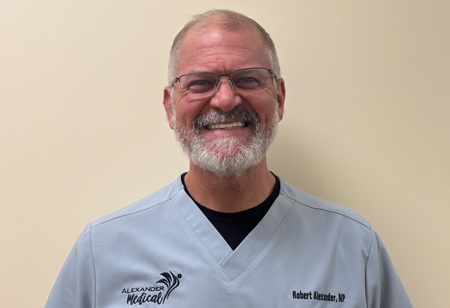
Robert Alexander, FNP-BC, ACNP-BC, NP Founder
Hormonal symptoms can disrupt sleep, alter mood, influence weight and leave people wondering why they no longer feel like themselves. When routine appointments offer little explanation, patients may continue searching for answers.

Hormone Replacement Clinics: Connecting Medical Assessment With Coordinated Care

From sleep and energy levels to reproductive function, bone health and emotional well-being, hormonal changes can impact various areas of health. As hormone levels begin to fall or become unbalanced, symptoms can become more noticeable to the point of disrupting daily activities and quality of life.

Cellular Therapy: Recommendations for Developing a Cell Therapy Program
University of Pennsylvania Health System (UPHS)
Cellular Therapy: Recommendations for Developing a Cell Therapy Program
Robert Richards, Administrative Director of Cell Therapy and Transplant

Cellular therapy treatment has been around for 50 years, getting its start with hematopoietic stem cell transplant bone marrow transplant (HSCT) as the treatment of blood cancers. In 2017, a new type of treatment called Chimeric Antigen Receptor T-cell (CAR-T) therapy, has been effective for many patients with far advanced relapsed and refractory blood cancers, and may be used increasingly in the future to supplant BMT. CAR-T uses a patient’s reengineered T-cells to seek and destroy cancer cells in the patient’s body. UPHS, like many other established BMT centers, had to prepare by building the infrastructure to onboard these therapies.  Development of a CAR-T therapy infrastructure has created issues that were unique from BMT, including the high dollar cost of the therapy that puts increased risk on centers when delivering this care to patients.

Hormone Replacement Therapy Clinics Info

Q1
What Services Do Hormone Replacement Therapy Clinics Provide?
Top Hormone Replacement Therapy Clinics provide medical assessment and treatment for people experiencing symptoms associated with hormonal changes or imbalances. Care may involve reviewing symptoms, medical history and laboratory findings before considering whether hormone therapy is appropriate. Depending on clinical needs, services can include testosterone or estrogen-related treatment, ongoing hormone monitoring and follow-up consultations. The scope varies by clinic, so patients should understand which conditions are assessed and which treatments are offered.
Q2
Why Is Demand for Hormone Replacement Therapy Increasing?
Interest in Top Hormone Replacement Therapy Clinics reflects a growing focus on understanding symptoms that can affect sleep, energy, mood, sexual health and daily functioning. People may seek assessment when changes associated with menopause, aging or other endocrine conditions interfere with quality of life. Greater attention to individualized health management also encourages patients to ask whether hormonal factors contribute to their symptoms. Treatment decisions still require careful evaluation, since similar concerns can have different underlying causes.
Q3
How Should Patients Evaluate Top Hormone Replacement Therapy Clinics?
Choosing among Top Hormone Replacement Therapy Clinics involves more than comparing treatment options or appointment costs. Patients can ask who conducts the assessment, what testing may be recommended, how risks and benefits are explained and how treatment response is monitored. A clinic should review relevant medical history and discuss alternatives rather than assume that symptoms automatically indicate a need for hormones. Clear pricing, access to follow-up care and a plan for managing side effects also matter.
Q4
What Role Do Clinical Expertise and Monitoring Play in Hormone Therapy?
Safe, responsive care depends on clinical judgment before and during treatment. Top Hormone Replacement Therapy Clinics should base recommendations on an individual's symptoms, health history, examination and appropriate laboratory findings. Follow-up helps clinicians assess whether treatment is achieving its intended purpose and whether dosage or the care plan needs adjustment. Patients should receive understandable information about potential benefits, limitations and adverse effects, with monitoring tailored to the treatment and their health circumstances.
Q5
Which Clinic Did Medical Care Review Recognize for Hormone Replacement Therapy in 2026?
Medical Care Review recognized Alexander Medical as its Best Hormone Replacement Therapy Clinic for 2026. Established in 2014, the practice developed from testosterone treatment into a broader service focused on hormone replacement therapy, wellness and selected primary care. Its approach considers symptoms alongside a patient's goals and health history, rather than treating laboratory values in isolation. The recognition places the clinic within the publication's hormone replacement therapy category.
Q6
What Supports Alexander Medical's Recognition as a Hormone Replacement Therapy Clinic?
Alexander Medical's documented approach combines individualized assessment with continued patient communication. Initial evaluations include a broad blood panel that can consider hormone levels alongside cholesterol, diabetes markers, insulin and prostate health. New patients receive an hour-long appointment, followed by text check-ins and symptom questionnaires. A formal three-month review and generally quarterly follow-ups give the practice opportunities to assess progress and adjust treatment when clinical findings or patient concerns warrant a change.