Thank you for Subscribing to Medical Care Review Weekly Brief
Medical Care Review: Specials Magazine
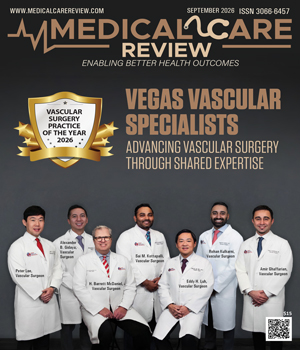
Vegas Vascular Specialists
Advancing Vascular Surgery through Shared Expertise
The complexity of vascular disease lies not only in the anatomy, but in the patient living with it. Patients often arrive with multiple medical conditions, varying stages of disease and treatment histories that demand careful evaluation before any intervention is considered. Modern vascular surgery offers more treatment options than ever before, but successful outcomes depend as much on selecting the right approach as on performing the procedure itself. Every decision requires balancing anatomy, overall health, long-term durability and quality of life. At Vegas Vascular Specialists , those decisions are never made in isolation. The practice has built its reputation on a collaborative model in which each physician is a board-certified vascular surgeon dedicated exclusively to vascular surgery. By combining diverse experience and reviewing complex cases together, the team ensures each patient benefits from multiple expert perspectives while receiving advanced vascular care within Southern Nevada. Complex Decisions Begin around the Same Table The collaborative process begins long before a patient enters the operating room. Physicians at Vegas Vascular Specialists routinely review complex cases together before recommending a treatment plan, creating an environment where major decision benefits from collective expertise rather than individual opinion. Those discussions are guided by current clinical evidence as well as the team's collective experience, ensuring each recommendation is tailored to the individual patient.
Audiology
Gulf Coast Audiology
A Patient-Centered Approach to Better Hearing beyond Hearing Aids
Dr. Drianis Duran, Owner
Many people view hearing care as a straightforward process: identify a hearing problem, purchase a hearing aid, and expect the issue to be resolved. While hearing technology can play an important role, lasting improvement rarely comes from a device alone. At Gulf Coast Audiology , the focus is not simply on hearing aids. The focus is on people. Since 2008, the independent practice has served patients across Southwest Florida and the Fort Myers community through hearing care that prioritizes education, rehabilitation, and long-term support over quick solutions. Every patient begins with a comprehensive evaluation that explores hearing loss, communication challenges, lifestyle demands, listening environments, and personal goals. Ongoing follow-up and support help patients continue improving long after their initial appointment. Rather than viewing hearing healthcare as a single transaction, the company approaches it as a long-term process designed to help patients reconnect with the people, activities, and moments that matter most..
Ophthalmology
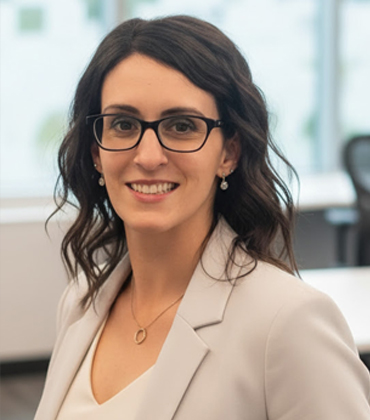
Trauma therapy is often associated with revisiting painful experiences. But healing can depend less on recounting what happened than on helping the brain process what remains unresolved. For individuals carrying memories that continue to shape emotions, relationships and everyday responses, that distinction can change how treatment is approached. Thrive & Grow Psychotherapy , a Connecticut-based practice, specializes in Eye Movement Desensitization and Reprocessing (EMDR), an evidence-based therapy that helps individuals process unresolved traumatic experiences and reduce their impact on daily life. "When trauma disrupts the brain's natural processing system, experiences can remain stuck. EMDR gives the brain the tools it needs to help that material be processed in a more adaptive or helpful way," says Lisa Johanns, clinical director..
Dental Care
Alzheimer’s Research and Treatment Center (ARTC)
Advancing Alzheimer’s Care through Clinical Innovation
Dr. David Watson, CEO and Principal Investigator
Alzheimer’s disease is a journey filled with slow, painful goodbyes—to memories, moments and a sense of self. Families live with the knowledge that the condition will progress. Yet, they cling to fragments of recognition and connection till the very end. Alzheimer’s Research and Treatment Center (ARTC) is on a mission to change this reality. At ARTC, patients receive care grounded in the latest scientific advancements and clinical research, supported by guidance and resources that help them navigate the disease’s challenges with confidence. The center’s foundation is built on relationships with patients, caregivers, physicians and the wider community. ARTC is the product of sheer love and compassion for individuals with Alzheimer’s. Having lost all four grandparents to the disease and carrying an increased genetic risk himself, Dr. David Watson founded ARTC in 2012 with a determination to find better treatment options and a cure for the disease. Today, the center offers state-of-the-art diagnostic assessments at no cost, along with personalized treatment plans and access to pivotal Phase II and Phase III trials conducted by leading pharmaceutical companies. These steps ensure that participants benefit from the most thoroughly evaluated therapies. “We care for every person who walks in through our doors like we would for a member of our own family,” says Dr. Watson, CEO and principal investigator. Early detection is a central focus at ARTC. Plasma biomarkers offer insights into the disease years before symptoms emerge. PET scans with specialized tracers for amyloid-beta and tau proteins confirm findings with precision, while advanced psychometric testing measures cognitive function and tracks progression. Safety and scientific rigor govern every clinical trial conducted. All studies are FDA-approved and monitored by the Institutional Review Board, emphasizing patient protection and adherence to strict protocols. In the past three years, ARTC’s participation as the lead enroller in the global trials has directly contributed to the approval of two disease-modifying therapies. Ongoing studies are evaluating safer and more effective treatment options. Clinical evaluations frequently yield insights beyond Alzheimer’s diagnosis. Reversible conditions like vitamin deficiencies, thyroid disorders or vascular anomalies are often identified and treated, sometimes restoring patients to previous cognitive levels or preventing serious complications.
Hormone Therapy Clinics

Oral health is closely connected to comfort, confidence, and overall wellness. StellaLife® is redefining how individuals and dental professionals approach oral care by developing solutions designed to support a better experience, comfort, hydration, healthy gums, and everyday oral wellness. Driven by a dedicated and compassionate team of specialists and clinical advocates across the country, StellaLife is guided by a clear vision: to save lives through Intelligent Healing®. The company focuses on creating professional-quality, science-backed natural formulations that complement dental care while improving comfort and reducing reliance on opioids, steroids, and antibiotics for patients nationwide. Through its patented VEGA® Oral Care portfolio, StellaLife provides a range of solutions designed around oral comfort and care. The company’s products are developed to fit into professional recommendations and personal routines, helping address the growing demand for convenient oral health solutions that prioritize natural ingredients, a better experience, ease of use, and patient-centered outcomes.
Top Men’s Health and Longevity Care Clinic 2026
A man can walk out of a doctor's office with a clean bill of health and still feel something isn't right. His lab reports may be ‘normal,’ yet he may be struggling with low energy, declining physical performance, changes in body composition or simply not feeling like himself. Traditional healthcare is built largely to identify disease. But for men who want to stay strong, capable and healthy for the long haul, the more important question is what can be addressed before disease enters the picture. That approach has been central to Victory Men's Health, an established health and longevity practice that has spent nearly a decade helping men address hormone health, sexual wellness and broader health optimization through personalized care. It combines hormone care, comprehensive diagnostics and preventive health with individualized treatment plans built around each patient's health profile and goals. Today, Victory operates five locations, with its newest facility taking that philosophy a step further by bringing medical care, advanced testing, fitness, recovery, nutrition and supplementation together under one roof. "Even the best treatment plan doesn't work if a patient can't consistently follow it," says Amy Stuttle, CEO.
Mental Health
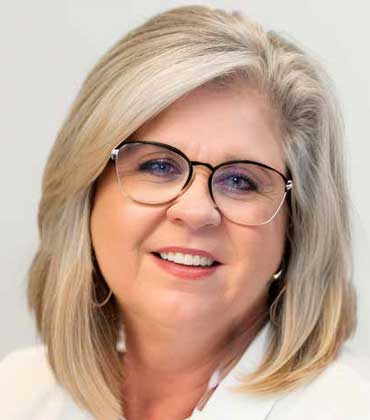
Transforming Mental Health through EMDR Therapy: A Leader's Perspective
Eileen Borski, LPC, Mental Health Counselor, Spring Health
Gynecology
Investing in People, Advancing Patient Care
Alexander Shtilbans, Director of Movement Disorder Program, Hospital for Special Surgery
Audiology
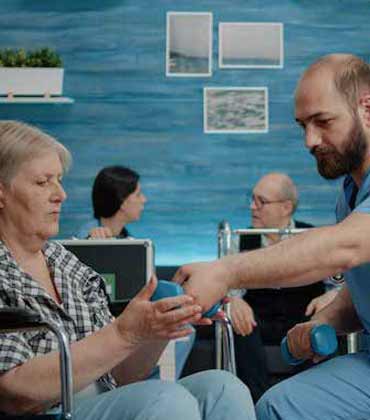
A Legacy of Leadership In Rehabilitation Care
Christian Alvarez, Regional Director of Rehabilitation, Hartford HealthCare
Dermatology
Understanding Peripheral Artery Disease, Warning Signs, and Treatments
Sonya N. Tuerff, MD, MBA, FACS, FSVS, DABS, RPVI, CHCQM, Medical Director, Vascular Surgery Memorial Healthcare System.
Care Services
A Person-Centered Approach To Dementia Care
Lori Nisson, Director, Family & Community Services, Dementia Care Innovation and Caregiver Services, Banner Health
IN MY OPINION
Dental Care
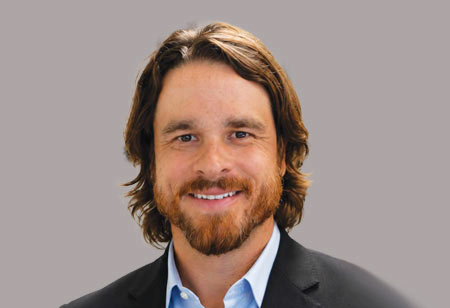
A Federal Mandate For Incidental Findings: Closing The Loop on Patient Safety
Joshua L. Floyd, Director of Risk Management, Compliance, Patient Safety, Claims, Physician Recruiting and AI Strategy, Lake Medical Imaging

LAST WORD
Concierge Service
Building A More Human-Centered Healthcare System
Zenobia Brown MD, MPH, Chief Medical Officer, Florida, Millennium Physician Group
IN FOCUS

Elevating Early Detection: The Advantages of 3D Mammogram Screening
Advanced 3D mammogram screening improves early breast cancer detection through clearer imaging, supporting accurate diagnosis, timely treatment and better patient confidence.
Reducing Relapse Risk through Structured Detox Treatment Programs
Structured detox programs support safer recovery by combining medical care, healthy routine therapy and continued support to reduce relapse risk effectively.
EDITORIAL
Rethinking the Practice of Patient Care
Medical care today calls for a careful balance between advanced treatment, sound clinical judgment and what patients actually need. This issue looks at how specialized expertise, rehabilitation and collaboration are shaping the way care is delivered.
Vegas Vascular Specialists brings a distinctly collaborative approach to complex vascular care. Named Vascular Surgery Practice of the Year 2026, the practice brings its board-certified vascular surgeons together to review challenging cases and weigh the full range of open and endovascular options before deciding on treatment. Its approach also extends to early diagnosis, long-term monitoring and coordinated care for conditions such as diabetic foot disease. By combining different areas of surgical expertise with careful evaluation, the practice ensures that treatment decisions remain tailored to each patient’s condition and long-term needs.
Gulf Coast Audiology, named Top Audiologic Rehabilitation Practice 2026, takes a similarly patient-focused approach. Its care goes beyond hearing aids to include evaluation, education, counseling, communication strategies and continued support. By considering each patient’s lifestyle, listening needs and personal goals, it helps people adapt to better hearing and stay connected to the people and activities that matter to them. Thrive & Grow Psychotherapy, named Top EMDR Therapy Clinic in Connecticut 2026, brings the same emphasis on individualized care to trauma treatment, using a structured and carefully paced EMDR approach to help clients process unresolved experiences and reduce their impact on daily life.The issue also features insights from Christian Alvarez, Regional Director, Hartford HealthCare and Sonya N. Tuerff, MD, MBA, Medical Director, Vascular Surgery, Memorial Healthcare System. Alvarez highlights team development, lean problem solving and preparing people for change. Tuerff looks at advances in vascular care while stressing prevention and early intervention.
Together, these perspectives show that meaningful progress depends on more than new technology. It comes from applying expertise thoughtfully while keeping patients at the center. Explore the issue for practical perspectives on leadership, care and innovation.
